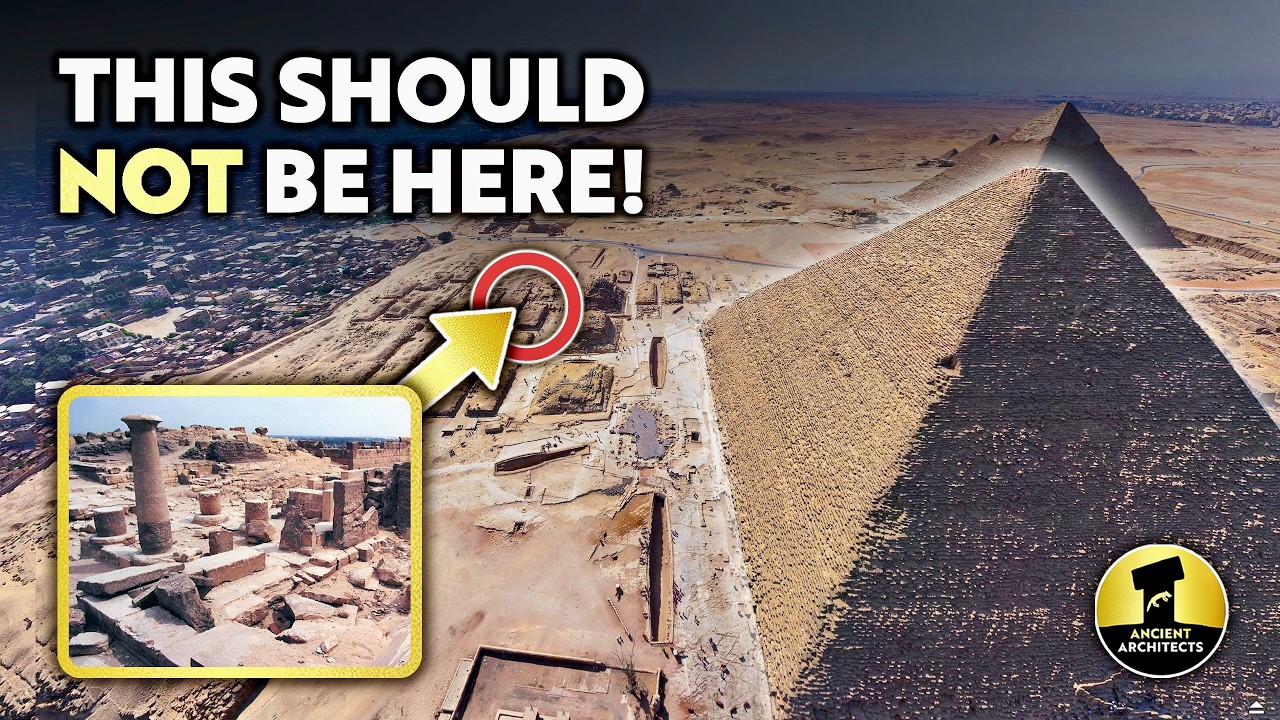
In the shadow of the Great Pyramid of Giza lies a temple shrouded in mystery and ancient reverence—the Temple of Isis. This sacred site, dedicated to the powerful goddess, has captivated historians and archaeologists alike, revealing secrets that date back thousands of years and challenging our understanding of Egypt’s past.
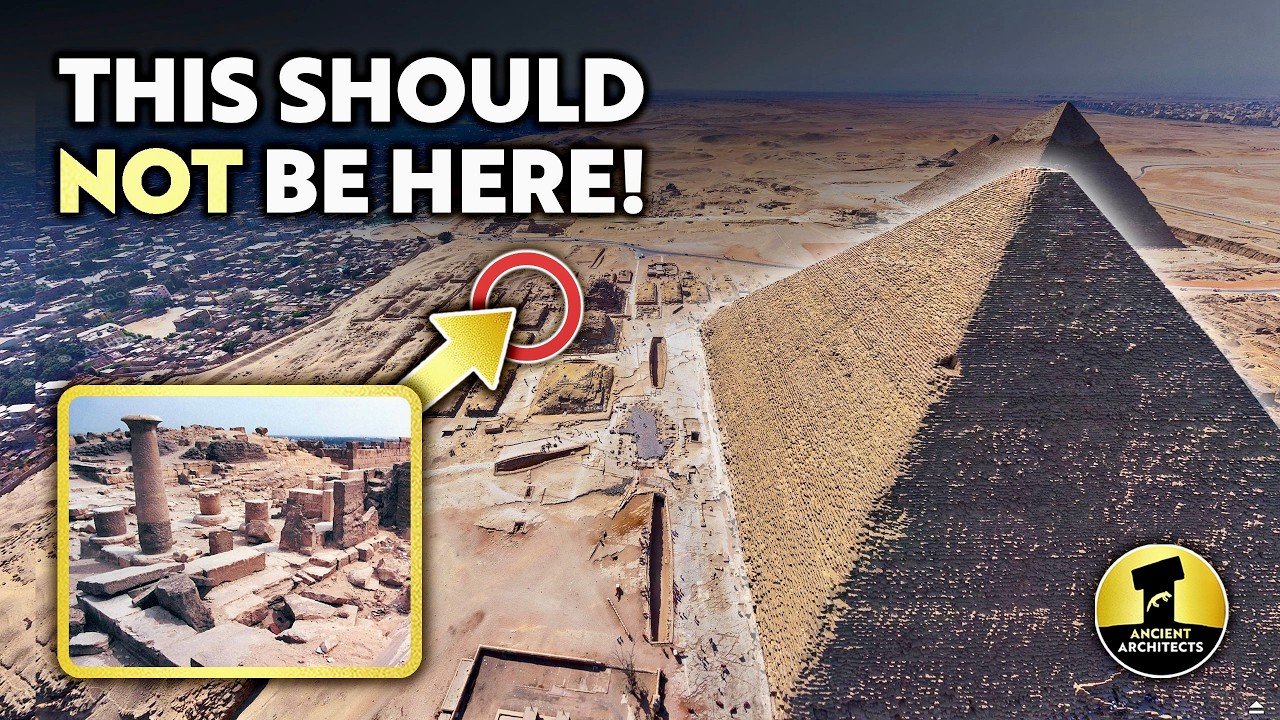
First uncovered by August Mariette in 1858 and later excavated by George Reisner and Selim Hassan, the Temple of Isis is nestled beside the satellite pyramid of Henutsen, one of Khufu’s wives. Initially thought to be a funerary chapel, its transformation into a temple dedicated to Isis reportedly occurred during the 18th Dynasty, possibly even tracing back to the Middle Kingdom. While there is no concrete evidence of an Old Kingdom temple at Giza, later worship of Isis as the “mistress of the pyramid” persisted until the Roman era.
The temple’s significance is underscored by the discovery of the Inventory Stele, a controversial artifact dating to the 26th Dynasty. This stele not only discusses the origins of the Sphinx but also claims that King Khufu found the temple in ruins and restored it. If true, this could suggest that the Temple of Isis has roots extending back to the Third Dynasty, though many Egyptologists remain skeptical of its authenticity.

Selim Hassan pointed out that the temple’s dedication to Isis, particularly as “mistress of the pyramids,” raises questions about its origins. He argued that the presence of earlier structures, like the cult chapel of Princess Henutsen, indicates the temple was built later, likely during the 18th Dynasty, supported by archaeological finds from prominent pharaohs such as Amenhotep III and Tutankhamun.
The temple’s layout and artifacts suggest a deep connection to the Sphinx and the surrounding Giza landscape. One intriguing find is Stele C, which depicts Prince Amenemopet presenting offerings to Isis, hinting at the goddess’s enduring influence. Yet, the absence of Isis-related artifacts after the reign of Ramesses II until the 21st Dynasty raises further questions about the temple’s significance over time.
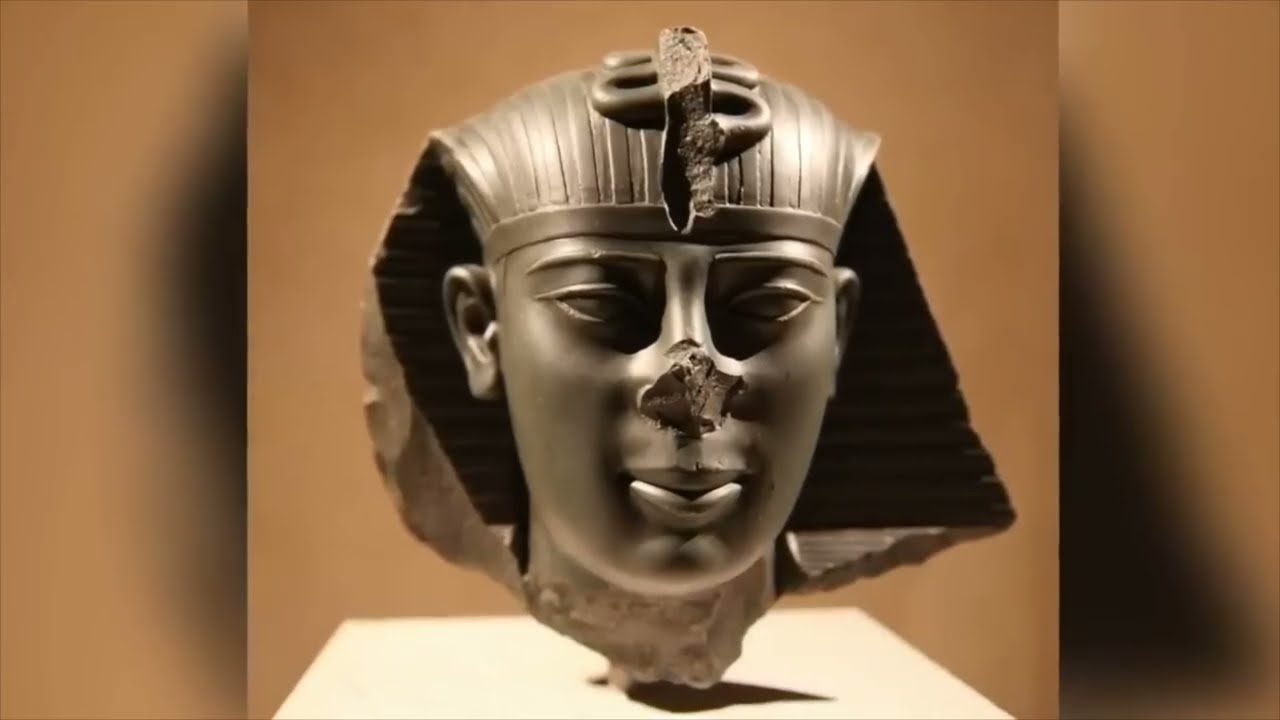
Throughout the Saite Period, the temple underwent renovations, reflecting a revival of ancient traditions. The 26th Dynasty saw extensive construction at Giza, with kings eager to link themselves to the glory of the Old Kingdom. The temple’s walls are adorned with graffiti from Fourth Dynasty kings and priests, illustrating its long-standing importance.
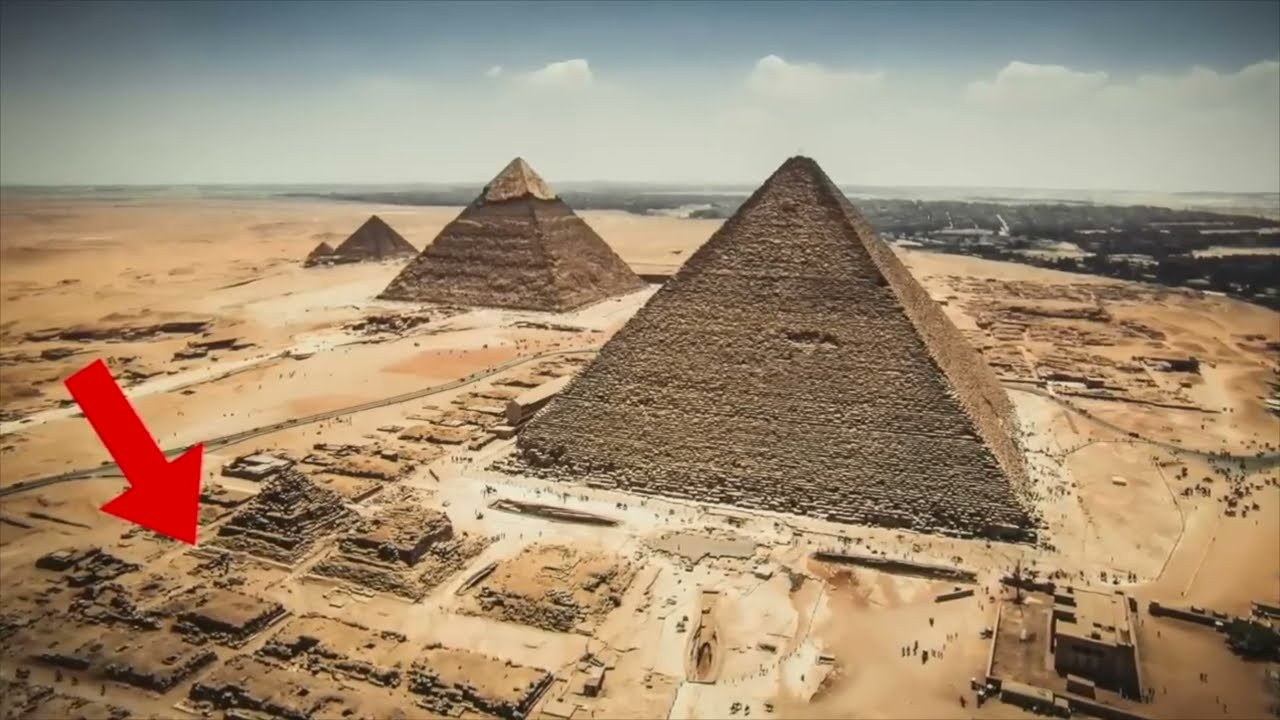
Despite the temple’s rich history, one question lingers: why did the 18th Dynasty rulers choose this specific location for the Temple of Isis? Some speculate it may be tied to Giza’s ancient identity as Rostau, a mythical realm associated with the afterlife. This connection invites a deeper exploration of the landscape’s significance and the potential ritualistic ties to the Great Pyramid.
As we delve into the secrets of the Temple of Isis, we are left to ponder the mysteries of ancient Egypt. What deeper connections might exist between the temple, the Great Pyramid, and the mythology that shaped their legacy? Join the conversation and share your thoughts!