The call came at the tail end of 2018, and at first, it looked like a routine breach of court orders. Kent Police’s fraud team knew James Wellesley all too well. He’d already done time for a massive scam involving high-end penthouses, where investor money meant to pay off mortgages had vanished into overseas accounts he controlled. When he got out, a court order barred him from any financial directorship.
Then, bizarrely, he became the chief financial officer of a wine investment company called Bordeaux Wines. Not only that, but he vanished. Officers couldn’t even arrest him for breaching his conditions. The company itself looked legitimate—credible website, FCA-regulated claims, all the right signposting for investors.
Wine was booming as an asset class, and Bordeaux Wines was riding that wave, with alleged fortunes well over 60 million pounds. The man on the paperwork as director was a supposed entrepreneur named Stephen Burton. Detectives approached him, worried that his finance chief was about to strip the company dry. Burton seemed concerned, promised to cooperate fully, and reassured them they were working together to prevent financial loss.
At first, the team felt they’d thwarted a complex fraud. But as time passed, Burton became harder and harder to reach. Suspicion crept in. Then came the game changer: solicitors linked to an acquaintance of Burton’s contacted the police, expressing alarm that Stephen Burton wasn’t who he claimed to be.
When detectives dug deeper, the truth unraveled. Burton was born in New Zealand and had amassed 68 offenses of fraud and theft by age 20. In the UK, he was convicted of fraud again in 1998 and 2001. The so-called legitimate investor was a career fraudster.
And now he knew they were onto him. A few counties over, in Sussex, another fraud case had landed on two detectives’ desks in April 2018. Action Fraud had flagged a string of victims of a fine art investment scam run by a company called Asset Consulting Services. The victims were mostly elderly—often widows who had just lost their husbands.
The first call came to one woman right after her husband died. The caller told her she had a portfolio with them and asked if she wanted to continue it. She wasn’t sure, but he pushed her toward buying fine art. She said yes, thinking, “My husband was into it, so it must be okay.
”
The scammers were friendly, chatty, talked about their families. They promised good returns and said they’d sell the paintings for her. The art was sometimes stored, sometimes sent to the victim’s home. It was never fine art—just cheap prints of very low value.
Then the pressure started. One caller was pushy, abrupt, threatening legal prosecution if she didn’t keep buying. Victims were told they’d be taken to court, that police would be sent to their homes. Some paid out of fear.
One woman didn’t realize how much she’d sent—about 96,000 pounds, all her savings gone. Detectives followed the money to a bank account linked to an address in Crawley, where a man named Barat Kazemi lived. Kazemi ran a company called Atlas Management Partners. At a mailbox address, officers found purchase agreements—one for 100,000 pounds—plus letters from victims begging for their money back, saying they were struggling financially.
Worse, Kazemi was moving large sums out of the UK, a classic sign of money laundering. Six weeks into the case, detectives arrested him. He claimed the company was legitimate, but the bank accounts told a different story. Searches of his home turned up more phones and purchase agreements—65 more victims across the UK who had no idea they’d been conned.
After contacting those victims, officers took a flood of tearful calls. Some victims had even been told by the fraudsters that the police investigation had been sorted out, so they kept paying. The team refused to slow down. Kazemi’s phone records revealed a name: Raj Nasta.
The two knew each other well. Nasta was the brains, helping Kazemi set up companies and launder the money. Their chat groups were full of derogatory language about victims, mocking them as “wingy ones. ” In total, 2.
6 million pounds had flowed through Kazemi’s accounts. Nasta was sentenced to three years in prison. Kazemi got four years and nine months. For the detectives, it was a rare moment of justice—despicable people who preyed on the bereaved, finally held accountable.
Meanwhile, in North Wales, two sisters were fighting their own battle. Charlotte and Jessica Herity had lost their grandmother, Patricia Taylor, in 2016. She’d been their rock after their father died young—a warm, loving presence. Her death left a void.
They knew she’d made a will with a solicitor named Richard Hallows. When they visited his practice, his receptionist told them they no longer dealt with wills and would need to find someone else. But then Hallows called back, said a mistake had been made, and agreed to help. The sisters never actually saw him in person.
He was always too busy. They were never told what was in the bank accounts, and when they asked, he grew angry, shouting down the phone. He told them they had no right to question him, that they were holding him up. They were heartbroken—unable to fully grieve because every time they thought of their nan, Hallows’ shadow loomed over their loss.
For two years, they got nowhere. In 2018, Charlotte filed a formal complaint with the Solicitors Regulation Authority. That’s when the shock landed: Hallows had been shut down by the SRA in February of that year and struck off as a solicitor. When the files arrived, Charlotte saw the truth—their grandmother had left them almost 148,000 pounds, but Hallows had been transferring huge sums out of the account.
Detective Constable David Hall was already investigating Hallows for another case. A client had bought a house, and Hallows, as her conveyancing solicitor, promised to pay a legal charge. He didn’t. When the council sent a reminder, Hallows blamed them, claiming he’d written a check for over 8,000 pounds.
The check had never been written. Another client sent Hallows Associates 600,000 pounds to hold, and he’d been trying to recover it for months. In total, around 800,000 pounds had gone missing. Hallows was juggling money between client accounts to hide shortages—a classic teaming and lading scheme.
He’d also written fake checks totaling about 17 million pounds to make balances look right, checks that bounced because the funds simply weren’t there. His voicemails painted the picture perfectly—endless excuses, always someone else’s fault. The bank was slow, his cashier wasn’t in, everything was “in process. ” Detectives knew he was buying time, knowing the game was up.
In April 2019, Hallows was arrested. In interview, he claimed he couldn’t remember anything and was almost dismissive. He knew exactly what he’d done with the money—he just wasn’t telling. In December 2023, he went to trial for fraud by abuse of position, pleading not guilty.
On the day the trial began, he changed his plea. He was sentenced to five years and ten months in prison. For the sisters, it was a form of closure. Charlotte and Jessica were able to get their inheritance back through the SRA compensation fund.
It meant Jessica could get married, and Charlotte could buy her own house—a gift that made her think of her nan every time she looked at it. Back in Kent, the hunt for Stephen Burton was reaching a critical point. Detectives knew he was aware of the investigation. He’d dumped his registered car at Heathrow’s long-stay car park, hoping police would think he’d fled the country.
But officers monitored his personal bank accounts and spotted a hire car—a brand new Range Rover with a tracker. It was activated in the Chelsea area, at a high-end hotel. On February 14, 2019, at five in the morning, officers moved in. Staff confirmed Burton had been staying there for weeks.
They swiped into the room, and there he was, in his dressing gown, just out of the shower. The life drained out of his body. He was arrested for conspiracy to commit fraud. What they found in that hotel room was staggering.
A black suitcase so heavy officers couldn’t move it—it was full of gold bullion and Krugerrands, over 1. 1 million pounds’ worth. In the safe, there was a Patek Philippe watch worth over 170,000 pounds, bundles of euros, hundreds of lottery tickets, and fake passports in various names. This was a mobile fraud office, packed and ready to go.
Burton admitted it himself: “If you’d come an hour later, I would have been gone. ”
Even in custody, he tried his luck, offering officers a bribe to drop him off around the corner, no one the wiser. It didn’t work. He was charged with money laundering and possessing false identity documents, pleaded guilty, and was sentenced to three years and 360 days in prison.
A year into his sentence, his security category was reduced, allowing day release. On the very first day, Burton visited his family in Tunbridge Wells, enjoyed afternoon tea with his daughters—and never returned to prison. Police appealed publicly for help finding him. He remained at large until 2022, when he was arrested in Morocco with a fake passport.
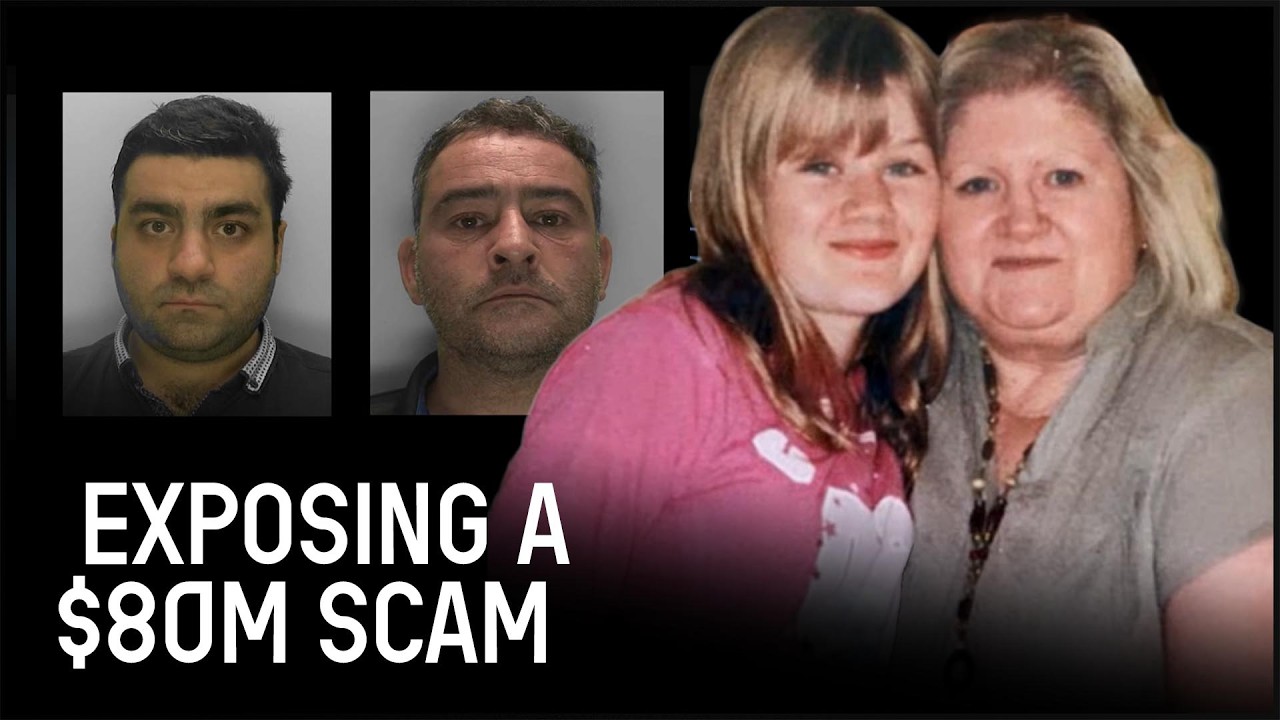
But the UK wasn’t the only country pursuing him. The FBI had been investigating a wine scam that totaled over 80 million pounds in fraud. Wellesley was arrested in Singapore in 2022, and both men now face charges of defrauding investors of nearly 79 million pounds. Wellesley is in UK custody fighting extradition to the United States.
Burton has been extradited and awaits trial. He denies the charges. Crime doesn’t pay, no matter what scale.
Eventually, you will be caught.