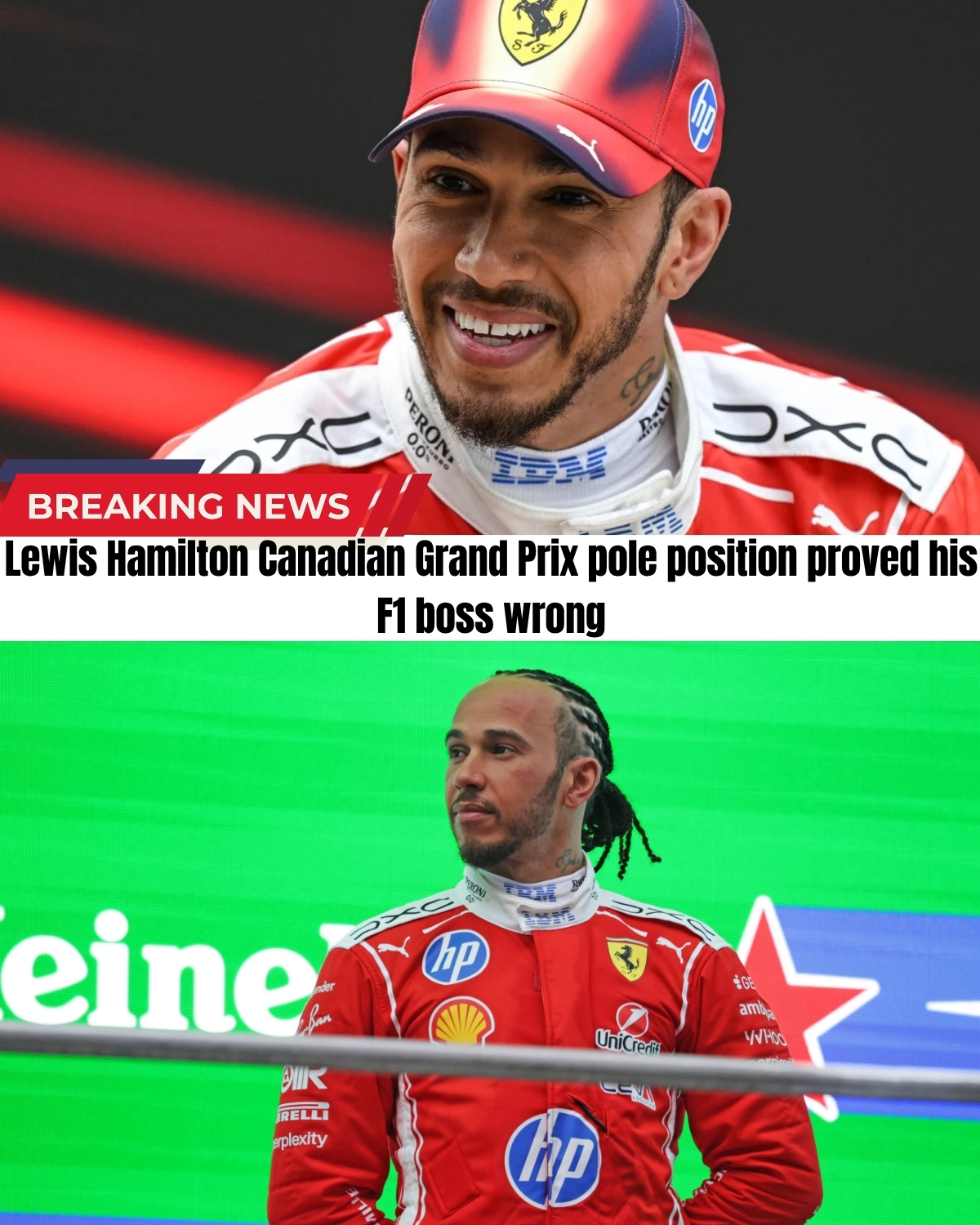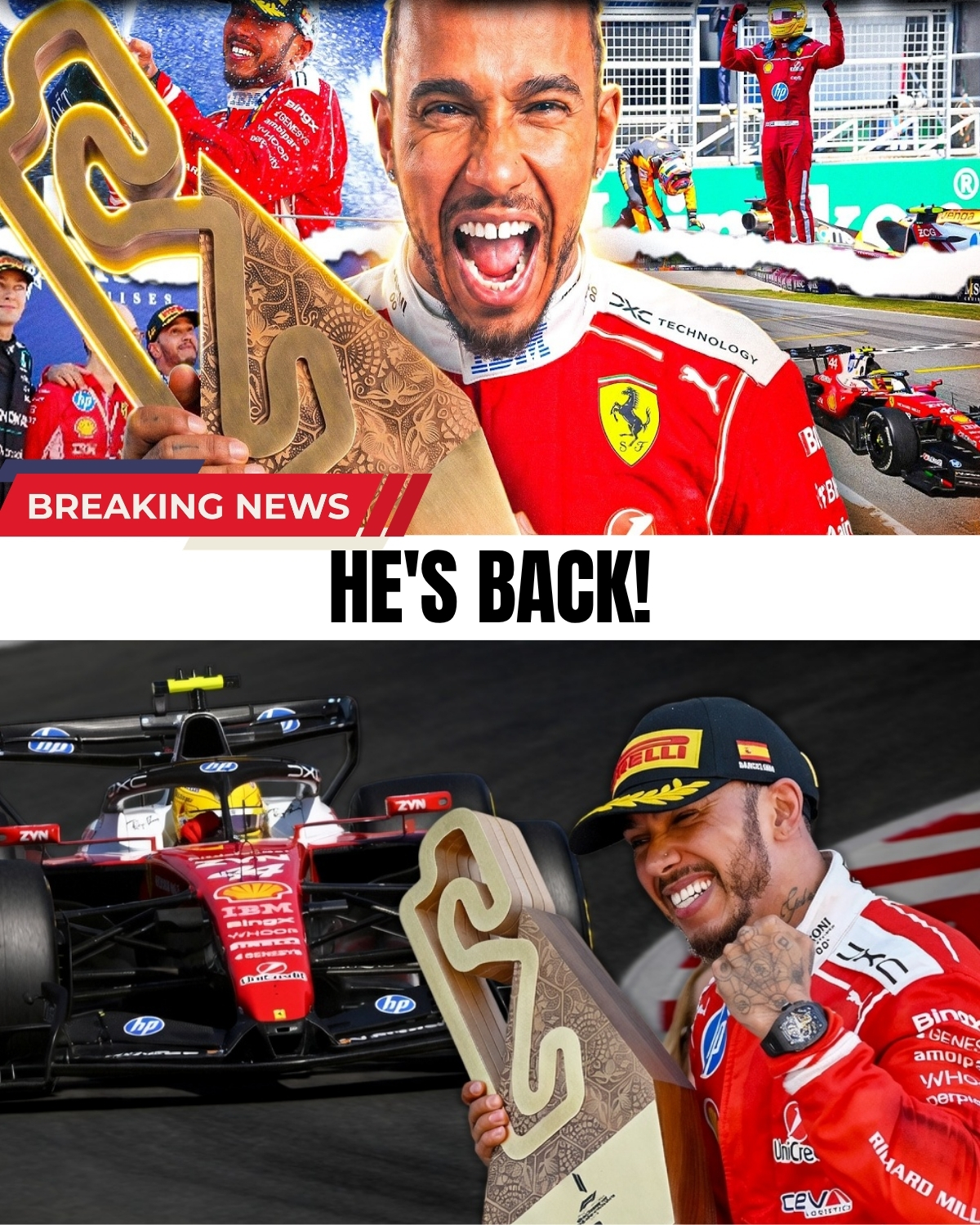
The roar of the crowd in Barcelona has done more than just echo through the grandstands—it has completely reshaped the narrative of the 2026 Formula 1 season. For weeks, the paddock buzzed with a single, nagging question: was Lewis Hamilton still capable of winning a race? That question has now been silenced, replaced by a far more explosive one: Can Hamilton and Ferrari actually fight for the 2026 World Championship? The victory in Spain was not merely another trophy for the seven-time champion; it was a thunderous declaration that Ferrari may have finally unlocked the code to the SF26, transforming a team of potential into a genuine title threat.
The path to this breakthrough was anything but smooth. Throughout the opening races, Ferrari looked like a team with raw speed but plagued by balance issues, tire management problems, and a car that didn’t yet mesh with Hamilton’s driving style. The early version of the SF26 showed flashes of potential, but potential is a cruel currency in Formula 1. Barcelona became the turning point. Ferrari arrived with a major upgrade package targeting the front wing, side pods, and diffuser, with a clear goal: improve air flow stability and reduce the tire degradation that had limited the car. The results were immediate, as Hamilton was able to defend against Andrea Kim Antonelli during the early stages, execute a different strategy compared to The Mercedes, and attack when Ferrari had the tire advantage. Even against a Mercedes package that remained extremely competitive, Hamilton was not just surviving; he was controlling the race.
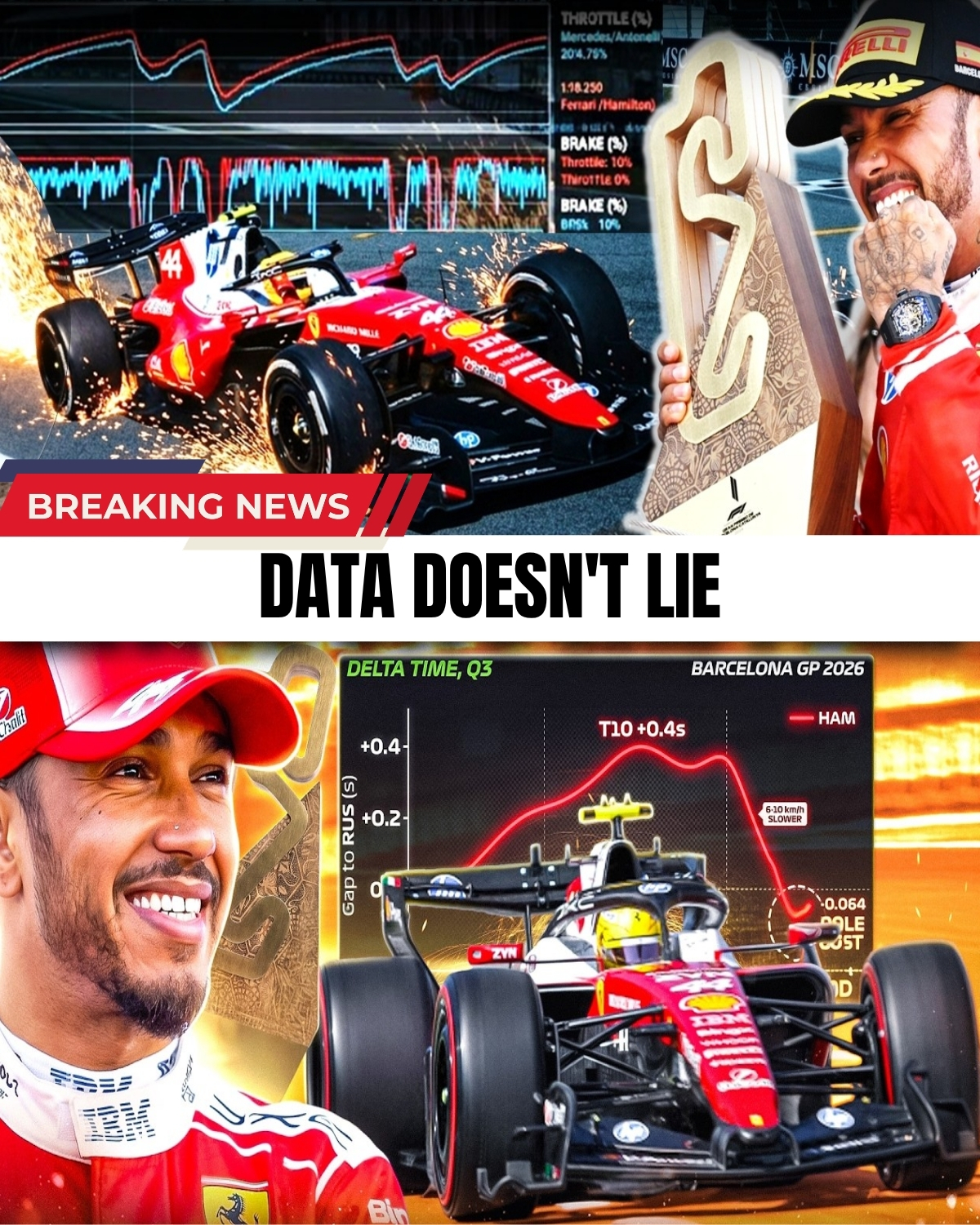
The technical details behind the win paint a picture of a car finally coming together. The evidence appeared during qualifying, where Hamilton missed pole position by only 0.064 seconds. Against George Russell’s Mercedes, Ferrari was actually stronger in several crucial corner sections, carrying approximately 5 km per hour more speed through turn four. However, the SF26 still had a weakness in straight-line performance, as the Ferrari battery deployment ran out before the finish line, costing Hamilton around 13 km per hour at the final corner exit. Without that limitation, Ferrari likely would have taken pole position. The race strategy then allowed Ferrari to showcase its progress, as Hamilton started on the soft tire while Mercedes selected the medium. Hamilton controlled the pace, protected his tires, and waited for the strategic window, while the team made the championship-minded decision to ask Charles Leclerc, who was fighting a recovery after starting 10th, to let Hamilton through.
The moment that completed the strategy came when Fernando Alonso stopped on track, triggering a virtual safety car. Ferrari reacted immediately, calling Hamilton into the pits without losing the lead, while Mercedes could not respond in the same way. The final stint became a test of Hamilton’s race management, and he delivered, controlling the gap and pushing when necessary. The victory was not only about having a faster car; it was about making fewer mistakes. After the race, team principal Fred Vasseur was careful not to overstate what happened, stating, “We weren’t terrible two weeks ago, and we aren’t champions today.” He also defended Hamilton after the criticism surrounding his difficult start, saying, “I am more than happy for him and for the commitment he is putting into the project.” Hamilton himself explained how meaningful the victory was, saying, “Victories are all special in their own way, but this is something different.”
The championship conversation has now shifted dramatically. The standings show Hamilton closing the gap to the championship leader, now only 41 points behind Antonelli. Ferrari has created pressure, and Mercedes can no longer assume they will control every weekend. The relationship between driver and team is becoming clearer, with Hamilton’s experience helping refine the car and Ferrari’s improvements giving him the confidence to attack. Barcelona was not a perfect Ferrari weekend—Leclerc retired due to a steering-related issue, and the straight-line deficit remained—but they won anyway. That is what makes the result important. Championship contenders are defined by weekends where they maximize opportunities, and Ferrari did exactly that. The final question remains: was Barcelona the true beginning of Ferrari’s return to the top, turning them into a genuine championship threat, or was it simply one weekend where strategy, upgrades, and circumstances aligned perfectly while Mercedes still remains the stronger overall package?