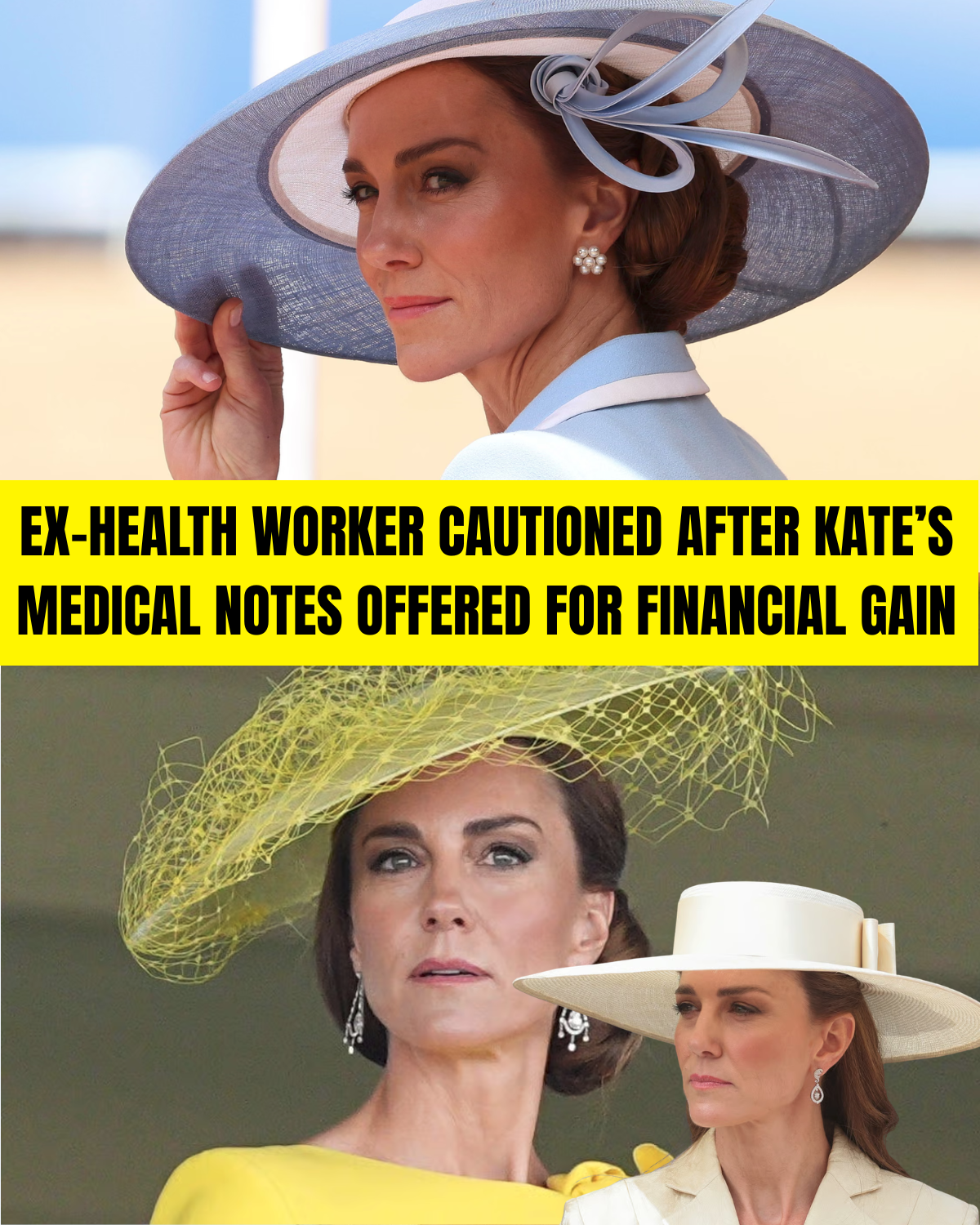
Within the quiet corridors of one of London’s most prestigious hospitals, a place where patients entrust their most private secrets, a chilling betrayal unfolded behind closed doors.
And the victim was none other than Princess Kate.
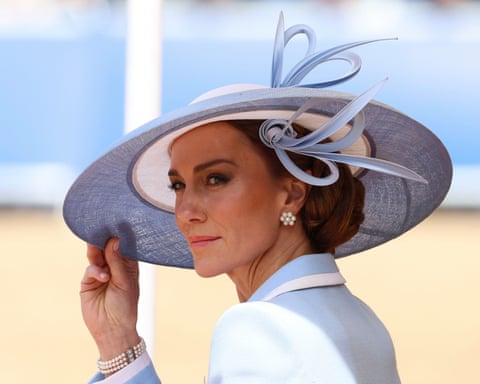
Two years after the first allegations emerged, the UK’s Information Commissioner’s Office (ICO) has finally concluded its investigation into the shocking breach involving the Princess of Wales’s medical records. The findings have left many stunned: a former healthcare worker deliberately accessed Kate’s highly sensitive medical information and was found to have offered it for disclosure in exchange for financial gain.
This was not merely a breach of the law.
It was a violation of the sacred trust between patients and those entrusted with their care.
What makes the story even more heartbreaking is the timing. Kate was recovering from abdominal surgery at the London Clinic when the incident occurred, and she would later reveal that cancer had been discovered during post-operative tests. While the nation worried about her health, someone else allegedly saw an opportunity to profit from the most private details of a woman fighting one of the greatest battles of her life.
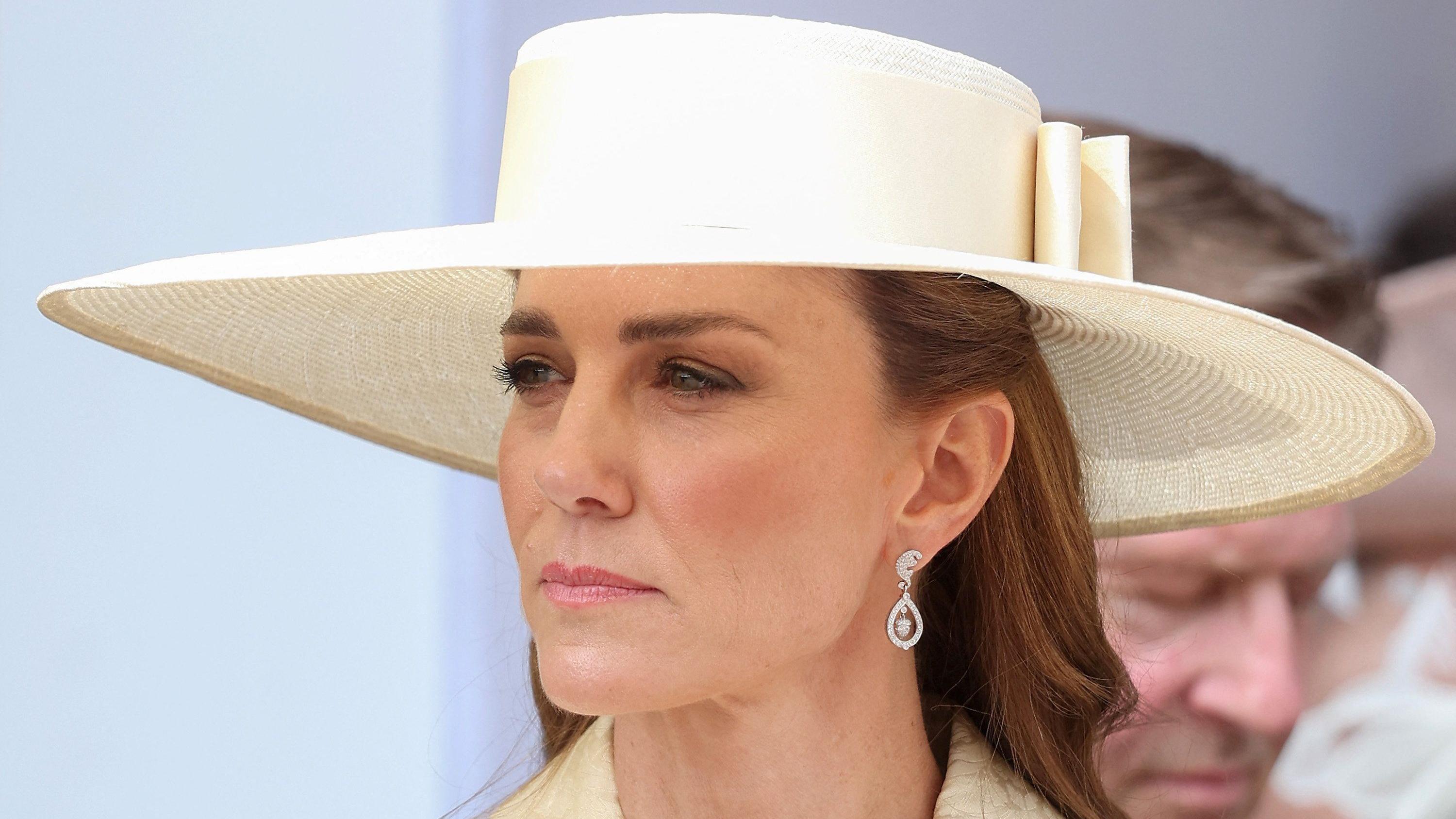
The ICO described the conduct as a “deliberate misuse of highly sensitive personal information” and “a clear breach of trust.”
Meanwhile, the London Clinic stressed that the incident was isolated and that no wider failures in hospital management or data security had been identified.
Today, Kate has returned to royal duties, appearing at Trooping the Colour, Royal Ascot, and other major engagements with her familiar grace and smile.
Yet this story leaves behind a powerful reminder.
That even the most famous people in the world deserve the right to privacy.
And that sometimes, what is lost is far more valuable than the information stolen.
Sometimes, it is trust itself.