I was the one in the trenches. I was the one turning panic into strategy decks that looked like art and read like gospel. I took a struggling software consultancy, bleeding cash, and turned it into a tier-one vendor with a client list that would make a frantic McKinsey partner weep into his silk pillowcase. All for the sake of Q3 projections.

Then Miller retired. The first week, Braden reorganized the seating chart based on vibes. Renee Braden, our new CEO, sat across from me in our first one-on-one, leaning back like he was posing for a Forbes cover that would never happen. I saw the writing on the wall, and it was written in Comic Sans.
The thing about legacy assets is that we know where all the bodies are buried because we’re the ones who dug the graves. In the corporate world, a network usually means professional contacts you’ve vetted over years of shared trenches. But Braden didn’t get that. Not even close.
Our Q3 numbers were down 20% because we missed the renewal deadline for Omni Corp. Tiffany, our new head of marketing, suggested a TikTok strategy. Braden nodded enthusiastically. I felt a chill run down my spine.
First, it was the QA team. Braden asked, “Shouldn’t the code just work? ” Then the client success team. “If they like the product, they’ll stay,” he said, as if that made any sense.
I tried to speak up, keeping my voice level. “Fear-based thinking,” he replied. “Maybe you should take a half day. ”
In the next town hall, Braden announced our new AI-driven innovation hub.
I named it the Titanic. The town hall was mandatory. We all shuffled into the main conference room, the air thick with stale bagels and impending doom. Braden stood at the podium, and I noticed the logo was a bird.
A bird. The whole room followed his gaze. I wasn’t writing notes. I was writing an account renewal plan for Project Orion, our biggest and most difficult client—a defense contractor.
The client, Colonel Sterling, a 60-year-old ex-girl in the industry, sat stone-faced while Tiffany talked about brand alignment and holistic software journeys. Braden leaned over and whispered, “We lost her, get her on the line. ” I took the call. I dropped my voice into professional comms.
“Colonel,” I said. Fifteen minutes later, the deal was renewed. After the call, I expected a thank you. Braden just said, “Good work,” and walked out.
He didn’t come inside. That night, I looked at my client list. I realized I was the emergency contact for every single one of them. Every renewal, every signing, because of me.
The next day, lunch with Marcus, a rival consultant. “You look like a man who’s about to make a move,” he said. “He’s not the prince of darkness, Marcus,” I replied, sliding into the booth. “He’s the guy who thinks a hashtag is a strategy.
” Marcus slid a napkin across the table. On it was a name and a number. “Apex Ventures,” he said. “They’re looking for a senior partner.
Full autonomy. Signing bonus to pay off your mortgage. ” I pocketed the napkin. That Friday, Braden called another town hall.
The air was colder. I walked through what felt like a graveyard, but the ghosts were still typing on keyboards. The meeting was about restructuring. “We need to be leaner,” Braden said.
“Legacy infrastructure is code for people who know what they’re doing,” I murmured under my breath. He introduced Tiffany’s new hiring plan. “We’re bringing in young, passionate talent,” Tiffany chirped, “with strong social media presence. ” Braden added, “We have too many overpaid seniors doing mid-level execution.
Do the brands bring in clients, or does the brand bring them in? ”
I looked at Tiffany. “Exactly, Tiff,” I said, “Which is why I’ve been meaning to ask: are you actually adding value, or just posting memes? ” She went pale.
Braden took the stage. “I’m going to be honest,” he said. “We need to cut dead weight. ” He paused.
“And that includes some of our longest-tenured team members. ” He looked directly at me. “Your legacy projects are no longer priorities. ”
I reached into my folio.
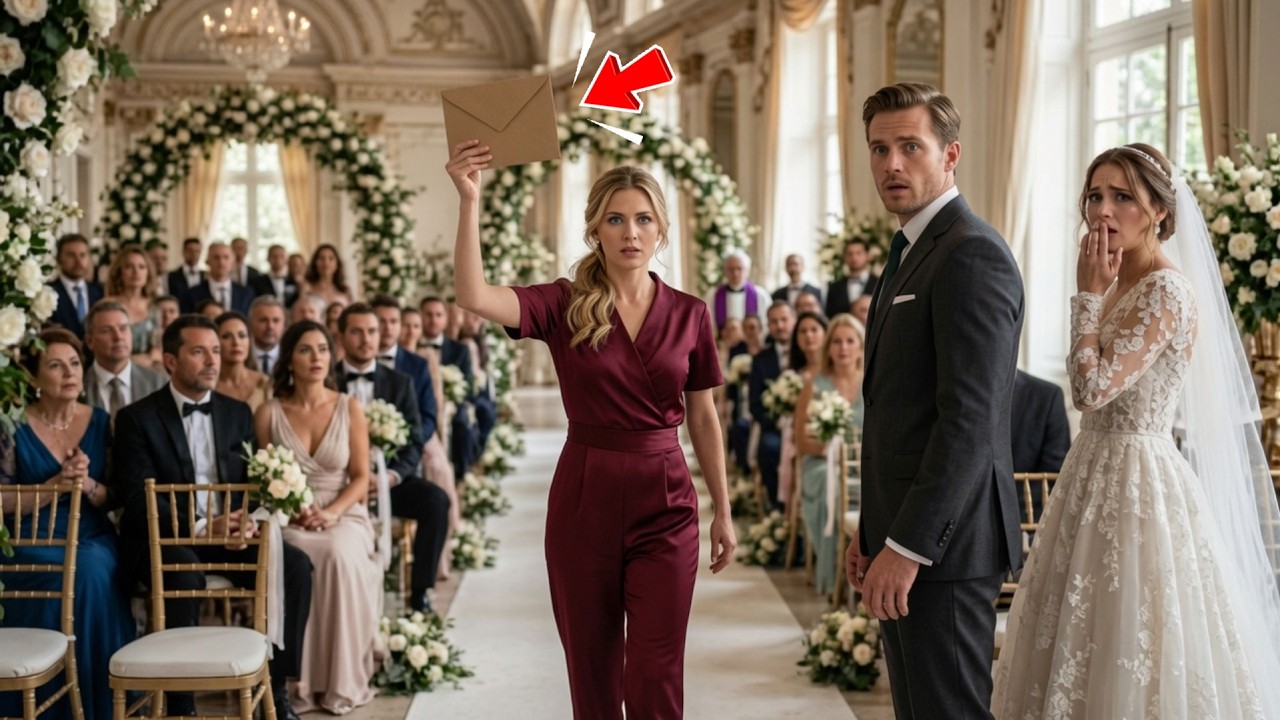
I pulled out an envelope. “My resignation,” I said, “effective immediately. ” Braden laughed. “Listen,” he said, “you’ll never survive out there without us.
Your whole career was built on our brand. ”
I opened the envelope. Inside was a photo of Braden from a college party. “I’m not going to say anything,” I said, “but now I have your attention.
” I walked out. The next morning, I called Apex. They answered on the first ring. “Let’s not call it hunting,” I said, walking into a corner office that smelled of leather and actual success.
Two 4K monitors, a phone that worked. I looked at the client list on my desk. I said to myself, “I’m going to tell them I left. I’m going to tell them where I am, and then I’m going to let Braden do the rest of the work for me.
”
My first call was to Omni Corp’s VP. She didn’t mention a sabbatical. “I heard you’re with Apex now,” she said. “Braden’s been a disaster.
” I didn’t have to say much. “We’re moving our account,” she said. Then came the call from Marcus. “The colonel,” he said.
“She just pulled the plug on Orion. ” I smiled. “She wasn’t agile enough for his needs,” I deadpanned. “But we don’t hire people based on their TikTok following.
” The dominoes started falling faster. Client after client, they just stopped paying invoices and sent new vendor request forms to Apex. We had whiteboard walls covered in client names. My new team had never seen a client migration like this before.
Usually, you fight for scraps. Then I got the call I was dreading. Braden’s voice was high and tight. “This is theft,” he spat.
“I’m not stealing anything,” I said. “The clients aren’t leaving because I’m stealing them. They’re leaving because you don’t know what you’re doing. ” There was a long silence.
“Maybe Braden should have thought about that before he tried to lowball the person who holds the relationships,” I said. “Is there any way to stop this? ” he whispered. “If I came back, if I fired him, if I gave you full control?
” I paused. “Page 8, paragraph 3 of my resignation,” I said. He gasped. “That’s about you,” I said.
“Now, something you should try instead of meditating. ” I sent him a copy of my official resignation letter, which included all the details of his mismanagement. Then came the news about Tiffany. I was getting coffee in the Apex break room when Josh, a bright kid who actually knew how to code, walked in.
“Did you hear? Tiffany’s looking for a new job,” he said. “Rats always eat each other when the ship goes down,” I replied. “But tell her we’re reviewing her application,” I said.
“Then send her a rejection letter. ”
Just then, my phone buzzed. It was a text from Gary, the old CFO. He wrote, “We did good work, but then I remembered your ‘too expensive’ line.
Cheers, you absolute moron. ” I smiled. I selected all files on my old company’s drive, the ones with proprietary knowledge and project histories, and made sure they were backed up in the right place. Then I went to join my team.
We had work to do after all.