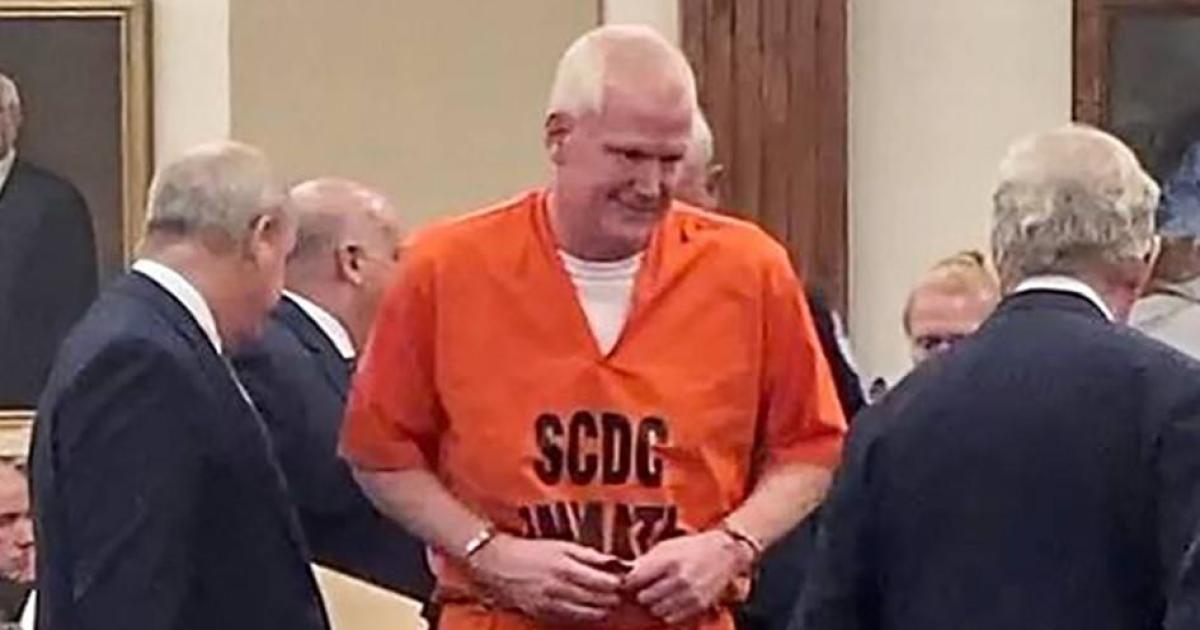
The handcuffs clicked shut, and I felt the entire neighborhood watching from behind their curtains. Detective Matthews, a woman I didn’t know and had never met before, recited my rights like a shopping list. “You have the right to remain silent. ”
Rachel had called the police three minutes after I left the house.

She told them I’d been abusing her for months. She pulled the sleeve of her shirt to reveal bruises—bruises I’d never seen before, never caused. My career ended at 9:26 a. m.
on a Thursday. The holding cell smelled like stale coffee and regret. The drunk guy kept talking about his wife. The shoplifter argued about surveillance systems.
I sat against the cold concrete wall and replayed every detail, trying to find the moment everything turned. We moved into this house two years ago. Rachel had found it on a weekend drive—a Craftsman with a wrap-around porch and fireflies blinking in the backyard at dusk. “Something that feels like us,” she said, and I believed her.
I earned $78,000 a year, enough to cover the mortgage, the utilities, her car note. She cooked those first few months—stuffed peppers, lemon chicken, chocolate chip pancakes on Sundays. It was everything I thought I wanted. The break-in changed things.
Our neighbor’s house was hit while they were at work. Suddenly Rachel couldn’t sleep, jumping at every creak. So I called Kevin from across the street—he owned a security company—and he set up a system. Two exterior cameras.
A backup device with its own power supply. “Don’t tell anyone I gave you the friend discount,” he said, grinning. I meant to tell Rachel about the backup recorder. It was tucked in my bedroom closet.
Life happened, as it does. Weeks passed. Nobody mentioned it. When I got out on bail, I called Kevin at midnight.
“Where are the cameras? ” I asked him. “When did you install them? ” Kevin asked.
“Six weeks ago. Why? ”
“Because the footage from your wedding day, Kevin said carefully, is gone. Overwritten.
Clean. ”
My blood ran cold. “How is that possible? ”
“Someone accessed your security system and modified the recording settings.
Not complex—just reset the retention times. They went back beyond the installation date and wiped everything. ”
I leaned against the kitchen wall. Our kitchen.
Rachel’s kitchen. She knew about the cameras—I’d told her. She would have known how to reset them too. The realization hit me somewhere between my ribs: Rachel wasn’t a victim.
She was an architect. Kevin found something after I hung up. “There’s a secondary backup—a small camera inside the backup device itself. I set it up for all my installations.
Just in case. ”
The file loaded slowly. Rachel’s voice came through the speaker, clear and cold: “No, he doesn’t know. Then we get the evidence ourselves.
”
I didn’t recognize the person she was talking about. Margaret Chen was the lawyer Kevin recommended. Her office looked like a Lauren Bacall movie set—black leather chairs, framed Kerr certificates, a desk that probably cost more than my car. She shook my hand firmly.
“So your wife staged a domestic abuse claim against you, likely in conjunction with someone else, presumably to secure favorable divorce terms? ” She said it like she was reading a menu. “Yes,” I said. “Do you have any idea who the someone else might be?
”
The image hit me—Officer Hayes arresting me in my own living room, his face almost smug. “I think it’s the officer who arrested me. ”
She nodded slowly, tapped her pen against the desk. “We can use this.
”
The hearing started at 9 a. m. Wednesday morning. Rachel sat on the opposite side of the courtroom, wearing a modest gray dress and a practiced expression of sorrow.
She looked like someone’s idea of a victim. She spoke first: “Your Honor, I married Daniel because I loved him. But he changed. ”
I kept my jaw locked.
“He controlled my access to our finances,” she said. “He isolated me from my friends. And then—” she paused, pressing a tissue to her eyes. “It got worse.
”
Rebecca Hayes testified next. She described three “incidents” in neutral, clinical language, avoiding eye contact with me the entire time. Margaret rose, buttoned her jacket, and walked toward the judge. “Your Honor, I’d like to introduce Exhibit A: footage from a secondary security backup at the defendant’s residence.
”
Rachel’s head snapped up. In the video, Rachel stood in our bedroom, phone pressed to her ear, completely unaware she was being recorded. Her voice was sharp and business-like: “No, he doesn’t know. Then we get the evidence ourselves.
”
The courtroom swallowed its group breath. Margaret pressed play on the second clip: Rebecca Hayes arriving at our house three weeks before the arrest, Rachel opening the door, the two of them embracing. Kissing. The silence in the courtroom could have been carved.
“Your Honor,” Margaret said, “we have GPS records showing Officer Hayes at this residence on multiple occasions. We have text messages. We have a recorded call between the two of them discussing how to fabricate my client’s abuse. ”
Rachel stopped crying.
Her mask had fallen entirely, leaving something cold underneath. She stood up, chair scraping back. “Both charges against my client are dismissed with prejudice,” the judge said. His voice was calm, deliberate.
“And I believe there’s a separate matter for the district attorney’s office to consider. ”
Two officers approached Rachel. They began with the restitution: $50,000 in legal fees. Then the grand jury.
Then the trial. Hayes, who had been so smug in my living room, was found guilty of conspiracy and filing a false report. The judge gave her eleven years. Rachel got six.
Her voice in open court, apologizing for everything, sounded like lines rehearsed from a script. I still live in that house. The security cameras still record everything. I didn’t take them down—paranoia hasn’t fully released me yet.
I threw their divorce papers in the trash, unopened. Some days, I drive past the courthouse and wonder about time, how it keeps moving when you’re frozen. Kevin visits on weekends now. We watch football.
He still checks the backup device, out of habit. Tonight I’m sitting on the back porch, watching the fireflies come and go in the dusk. The house is quiet in a way I never noticed before. Her scent still lingers in the fireplace when the temperature drops—that entirely imagined scent of roses, spice, and everything that never existed.
When the fireflies finally appear, I finally allow myself to breathe the thought I’ve been holding for months: We only become truly unstoppable when we learn to trust nothing. Not even love. Especially not love.