The hunt for a killer who abducted, raped, and strangled a promising teenage medical student began with a silent, desperate phone call that crackled with the faint sound of a terrified girl trying to outwit her captor. The case of Hannah Foster, a 17-year-old from Southampton, would unravel into a transcontinental manhunt, a confession on foreign television, and a grueling legal battle that tested the limits of international justice.
On March 14th, 2003, Hannah Clare Foster, a model student known for her relentless drive to earn top grades, decided to take a break from her rigorous studies. She was in her senior year of high school, preparing to enter medical university, a dream she had harbored since childhood. Her parents, Hillary and Trevor, along with her younger sister Sarah, always supported her ambitions.
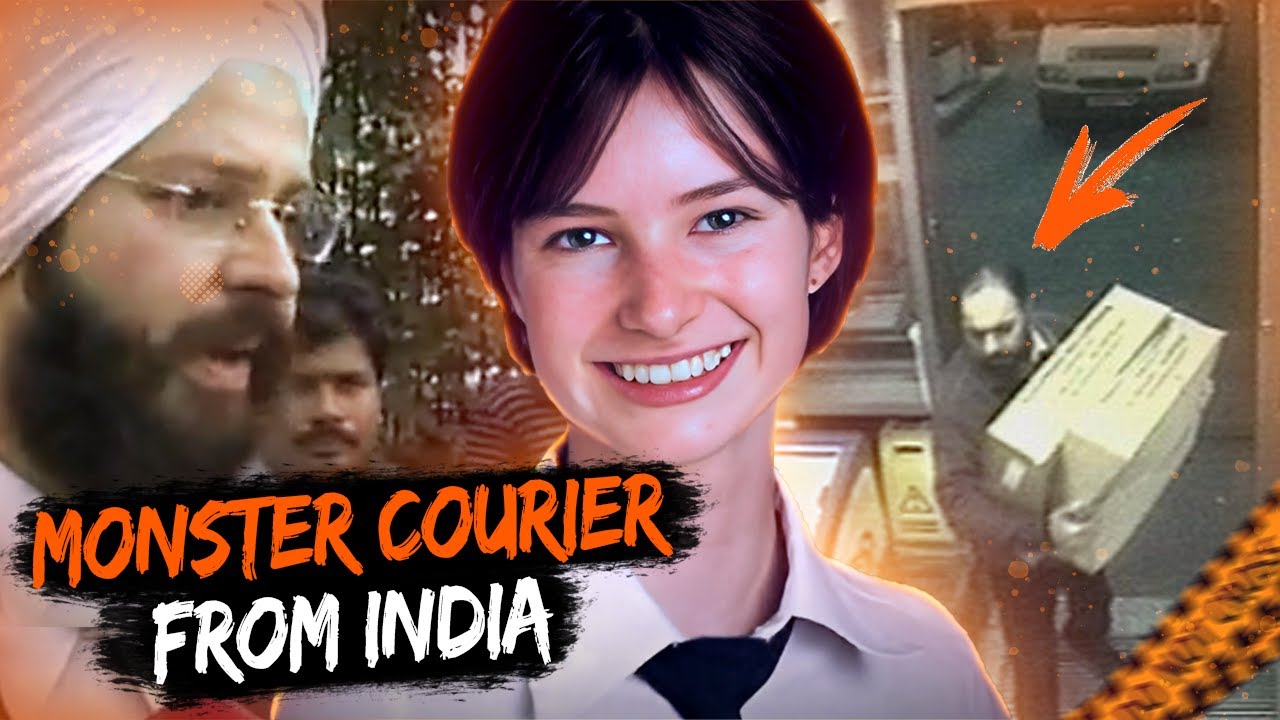 That evening, she went for a walk with her friend Helen, stopping at a well-known local bar for a snack and a drink. At 10:40 p. m.
, the two friends decided to head home. Surveillance cameras recorded them walking together down a nearby street. At the bus stop, Helen boarded her shuttle bus, while Hannah, who lived only about a kilometer away, chose to walk the short distance home.
They said goodbye, and that was the last time anyone who knew her saw her alive.
Hours passed, and Hannah had not returned home. By 5:00 a. m.
on March 15th, her parents were deeply worried. It was uncharacteristic of her to stay out so late without informing them. They called and texted her phone, which was still on, but received no response.
At 10:30 a. m. , Hillary and Trevor went to the police.
They had already spoken to Helen, who recounted the evening’s events. The police, recognizing that Hannah was a minor with an 18th birthday months away, and that her behavior was unusual, immediately launched a search. As is standard procedure, the last person to see the missing individual, Helen, was treated as a person of interest.
She was interviewed with her parents present, and her testimony was consistent with CCTV footage from outside the bar and bus stop. Helen had told no lies, and was quickly cleared of any involvement, leaving investigators with no immediate leads.
The investigation took a critical turn when police analyzed Hannah’s cell phone records. Her phone had remained on throughout the night, receiving calls from her worried parents and messages from friends. Each connection to a communication tower allowed investigators to map her phone’s approximate location.
One detail stood out: in the early morning hours of the day of her disappearance, Hannah’s phone received a call from an emergency number in England. The call was logged as a silent call. The operator had answered, heard nothing, and after instructing the caller to press a key if help was needed, terminated the call.
Police technicians, listening to the recording with the volume adjusted, detected something chilling. From a distance, they could hear a girl talking to a man. The audio was faint, as if the phone was in a bag or backpack, but it was clear the caller had not heard the operator’s instructions.
A dramatization of the transcript later appeared in the media, capturing the girl’s desperate attempt to appear calm. “You live in this country?” a man’s voice asked.
“Yes, English, I’m English,” the girl replied. “Where are you from exactly?” he pressed.
 “Fairington,” she lied, giving her sister’s name, Sarah, instead of her own. She was clearly trying to protect herself by giving false details to a stranger.
From the movement of the phone, police deduced Hannah was traveling by car in the early hours. From the voice and accent of the male caller, they determined he was an elderly South Asian male, leaving them with a vast pool of potential suspects. Fortunately, Hannah’s phone was still on, allowing them to pinpoint its location in Portsmouth, 30 kilometers from where she was last seen.
Eventually, the phone was found discarded at a waste collection point, along with her handbag. The discovery of her personal belongings shifted the case from a kidnapping to a likely murder investigation. The worst fears were confirmed on March 16th, when Hannah Foster’s body was found in the countryside, hidden in a bush.
It was located several kilometers away from the recycling center where her phone and purse had been dumped, suggesting the killer had first disposed of her body, then her belongings. A forensic examination established the cause of death as asphyxia due to strangulation. She had scratches on her face and neck, evidence of a desperate struggle for her life.
She also had hematomas on her head and legs. Devastatingly, forensics confirmed she had been raped before being murdered. A DNA sample, in the form of seminal fluid, was taken from her body.
It was entered into the national database of registered offenders, but the search was inconclusive. The sample was saved for future comparison with suspects, leaving investigators with no specific leads.
The investigative team decided to review hundreds of hours of CCTV footage from cameras along the path Hannah’s phone had traveled. They concluded she had been abducted and transported in a white van. This van appeared repeatedly in CCTV images at all points where her phone had connected to communication towers.
The media announced that a man between the ages of 35 and 40 from a South Asian country, such as Pakistan, Bangladesh, India, Nepal, Afghanistan, or Bhutan, was wanted. It was also assumed he lived in the area where the body was found, as he would need to know the area to dispose of her belongings at the waste collection point. A few days later, a suspect emerged: Maninder Pal Singh Kohli, a native of India, a father of two, married to a woman from Southampton.
He had lived in England for many years and drove a white van provided by his delivery company for both work and personal use. His route was very similar to the points reported to police. His manager reported him to the police, noting that the day after Hannah disappeared, Kohli came to work very nervous and with a scratch on his face.
Despite having no criminal record in either India or England, where he was considered a model citizen and responsible father, police decided to investigate him.
A search warrant was obtained for the van, which was found parked outside his workplace, unusual as he typically took it home. An examination of the back of the vehicle revealed blood and seminal fluid that matched the samples found on Hannah’s body. The blood found in the back seat was the victim’s blood.
Kohli became the authorities’ main and only suspect. On March 19th, police went to his home to question him, but his wife said he was not there. The day before, on March 18th, he had gone to India, ostensibly to visit his dying mother.
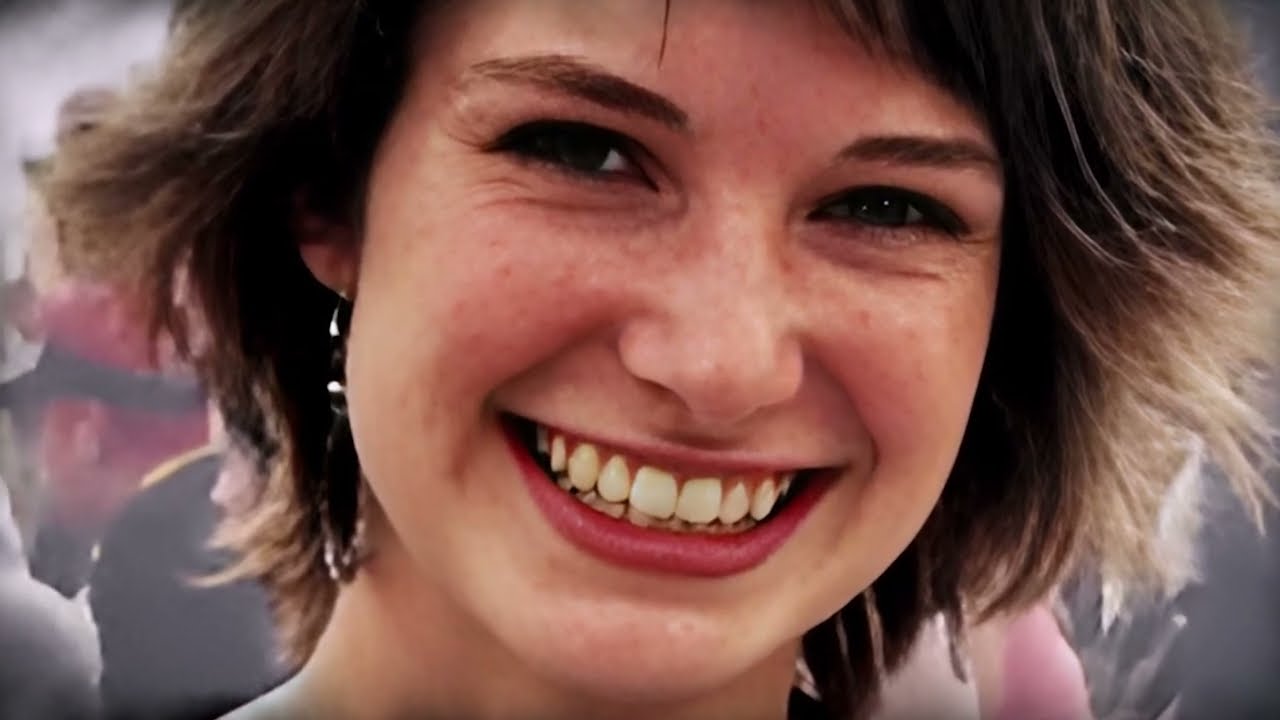 The suspect’s brother, who worked as a police officer in India, made investigators very nervous. They feared he would never be caught. Their fears seemed confirmed when the Indian government gave no answer as to Kohli’s whereabouts, simply stating he could not be contacted.
Officers suspected his family was helping him hide, though his father appeared on Indian television saying that if his son had committed a crime, he should pay for it. His brother, however, was his main defender, insisting he was wrongly accused and 100% believed he was innocent. Kohli’s wife also called, complaining they were being falsely accused and harassed, and insisting on his innocence, adding, “If he committed this crime, hang him.
I will be the last person to defend him.”
Time passed, weeks turned into months, and a full year had passed since Hannah’s murder with no sign of Kohli. Hannah’s parents, desperate for justice, decided to travel to India. They took advantage of the media, giving interviews on television and in newspapers, handing out flyers with their daughter’s face and urging people to report the man if they saw him.
They also offered a cash reward for information leading to his capture. A few days after their arrival, a cab driver came forward. He said a man with the same facial features as Kohli got into his car.
During the ride, the man said his name was Mike, that he lived in England, worked as a courier, and was currently on vacation in India. The cab driver passed the information to the police, but it did not immediately lead to an arrest. It was not until July 15th, 2014, that Kohli was stopped by an Indian police officer while on a bus to Nepal.
His face was all over the news, and the officer identified him. Kohli was traveling to Nepal with his new wife. It was noted that Nepal does not have an extradition treaty with the UK, leading police to assume this was his destination to avoid capture.
He had already created a new identity, going by the name Mike, had shaved off his beard and head, had a new job, and had even remarried.
Hannah’s parents thought the ordeal would end with his arrest and extradition, but what followed was a legal procedure that stretched on for several years. Sometime after his arrest, Kohli confessed on a television program that he had raped and killed Hannah. He said he had not planned to 𝓀𝒾𝓁𝓁 her, but she told him she would report him to the police.
When asked what he did, he replied, “I kidnapped, raped, murdered Hannah Foster.” He admitted, “I did it because I was so tired of running back and forth, and I want to get it off my chest. I just want to tell the truth.”
Despite the videotaped confession, Indian authorities did not immediately send him back to England. Kohli, with the help of his brother, hired a team of lawyers who made the extradition process very long. There were a total of 100 court hearings and 35 appeals to prevent him from being brought back to England.
His brother continued to tell media outlets that Kohli was innocent, that he was framed, and that it was all a government plan to find a guilty party and close the case. It was only in 2007 that it was decided he would indeed be extradited to England for trial. On July 28th of that year, Kohli arrived in England and was arrested by authorities.
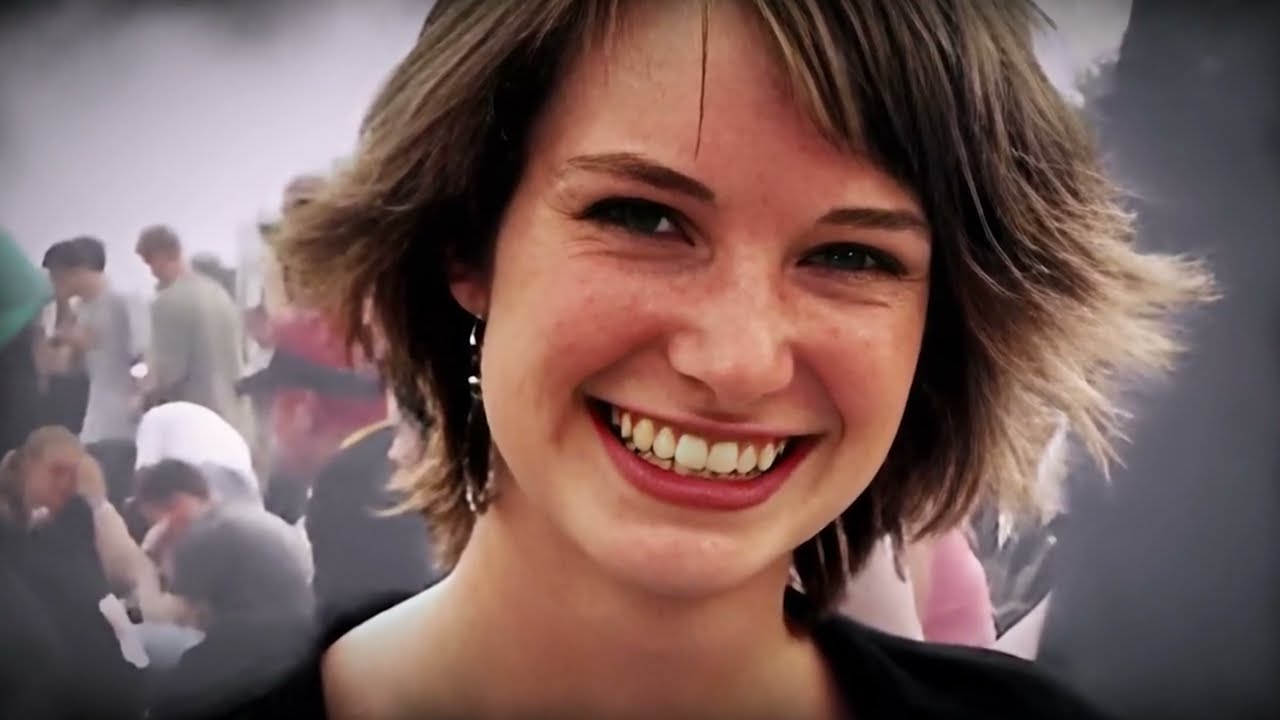 He was charged with kidnapping, rape, and murder.
Kohli pleaded not guilty, changing the version he gave on television. He initially claimed he found Hannah’s body in a car, panicked, and dumped it where the police found it. However, this version did not match the timeline given by surveillance cameras and the location of Hannah’s phone.
The DNA test came back positive, matching the seminal fluid found on Hannah’s body. After receiving this information, he changed his version again, claiming a group of criminals had forced him to rape and 𝓀𝒾𝓁𝓁 Hannah that night, and that he disposed of the body because he feared the group would harm his family. The prosecution put forward a hypothesis of what they believed happened that night.
After Hannah and Helen said goodbye at the bus stop, Hannah waited for her friend to leave, then started walking home alone. There were no people or cars around her. Kohli, coming back from work, saw her walking alone and decided to drive up to her in his car to talk to her.
The girl immediately realized he was a threat and discreetly dialed the emergency number, not lifting the phone to her ear. Police believed her phone was in her purse or back pocket, which is why the sound was so quiet in the recording. She can be heard starting to lie to Kohli, giving him her sister’s name and age, and a completely different neighborhood than where she lived.
She was clearly trying to protect herself. After getting his details, Kohli somehow dragged Hannah into his car, whether by deception or force is unknown. Police believe he drove several kilometers, then stopped in a deserted area, put her in the back seat where he raped her and then killed her.
He then drove a few more kilometers, disposing of her body, and continued until he reached a garbage collection point. He did not want to take any of her belongings, thinking that without them, police could not accuse him. What he didn’t know was that her phone was on and had enough battery to last several hours, a detail that would prove crucial.
After getting rid of her belongings, he returned home, hung out with his family, and went on with his normal life. When he saw she was being searched for, he decided to go to India to hide.
A trial was held in November 2008, and on the 25th of that month, Kohli was found guilty on all charges. He was sentenced to life in prison with the possibility of parole after 24 years. He was 41 years old at the time of sentencing.
The judge commented that Kohli would not be able to apply for parole until 2032, at the age of 65. The case highlighted the vulnerabilities of young women walking alone at night, the dogged determination of police who followed a trail of digital breadcrumbs, and the agonizing, multi-year fight for justice across international borders. For Hannah’s family, the verdict brought a measure of closure, but the pain of their loss, and the knowledge of her final terrifying moments, would forever remain.
The silent call she made, a final act of defiance and desperation, was the key that unlocked her killer’s identity, ensuring he would eventually face justice for his heinous crimes.