“Bunny, I love you. I’ll see you later. ”
Those were the last words Joel Parks Jr. ever said to his sister, Ivonne, as she headed out the door that evening.
She turned back, smiled, and said, “I love you too, Bubby. I’ll see you later. ”
She had no idea that “later” would never come. Joel was born on February 17th, 1989, in Meriden, Florida.
His parents, Joel Sr. and Tashia, divorced when he was four. His father passed away at some point during his life, and his mother remarried a man named James Fritz. But before she remarried, Tashia struggled to support her two children, so custody shifted to their grandmother, a 61-year-old nurse named Lillian Parks.
There was a reason Joel needed extra care. He lived with a cognitive disability—some say autism, others suggest a brain injury from a car accident as an infant. Whatever the cause, he was physically healthy but needed lifelong support for his developmental delays. So Lillian took him in.
She raised him and his sister for decades, with no criminal history to her name. As an adult, Joel moved into a group home for people with disabilities during the week, but he spent every weekend with Lillian. He held a part-time job, volunteered at a local theater, and played baseball in the Miracle League, where his teammates called him “Home Run Joel. ” His coaches watched him get better and better at the game, and everyone who met him remembered his warm greetings and unforgettable bear hugs.
At the Easter Seals day program, he would walk in and call out, “Hi, friend! ” to everyone he saw. His grandmother, though, was aging. By 2019, Lillian was in her 80s and in failing health.
She had been told she had about five months to live. In September of 2019, Lillian was scheduled for hernia surgery and would need to recover in a nursing home. She asked Ivonne to travel from Ohio to Bradenton, Florida, to help clean out her apartment. Ivonne arrived around mid-September and spent the evening with her grandmother and Joel before going out with friends.
When she left, Joel asked if he would see her later. They exchanged “I love yous. ” Those were his last words to her. The next morning, Ivonne returned to the apartment.
She saw Joel asleep in a recliner with the TV on. Her grandmother rested nearby. Nothing seemed unusual. The following morning, around 8 a.
m. , Ivonne bumped the recliner while walking by. Joel didn’t stir. She assumed he was just sleeping in.
Hours passed, and he never moved. When she asked Lillian why he wouldn’t wake up, her grandmother said he had stayed up late watching movies. By noon, Ivonne realized something was deeply wrong. Joel hadn’t shifted at all.
She looked closer and realized he wasn’t breathing. She ran to her grandmother and told her, “Grandma, it doesn’t look like he’s breathing. ”
Lillian looked at her and said, clearly and without hesitation, “That’s because he’s not. ”
Ivonne froze.
“What do you mean he’s not? What are you talking about? ”
Lillian’s response chilled her to the bone. “Oh, I’m doing us both in.
We’re going together. ”
Ivonne thought she saw a pill in her grandmother’s mouth as she said it. Horrified, she ran out of the apartment and called the police. When officers arrived, 30-year-old Joel was still in the recliner, lifeless.
Lillian remained in bed a few feet away. There were no signs of injury or struggle. Joel had been dead for several hours. Police spoke to Lillian while she stayed in bed.
She admitted that around noon the day before, she had given Joel an unknown amount of her prescription pain medication, then taken some pills herself. “I want him to be with me when I go,” she told them. “So I put him to sleep, and then I’ll go to sleep too. ”
She said she had been told she had about five months left, and she didn’t want Joel to suffer alone after her death.
She wanted him in heaven with her. Investigators found a prescription bottle in her name, filled on September 17th with 120 pills. Only two remained. They also found multiple letters she had written to family members, explaining her actions and leaving $1,500 for cremation costs for both of them.
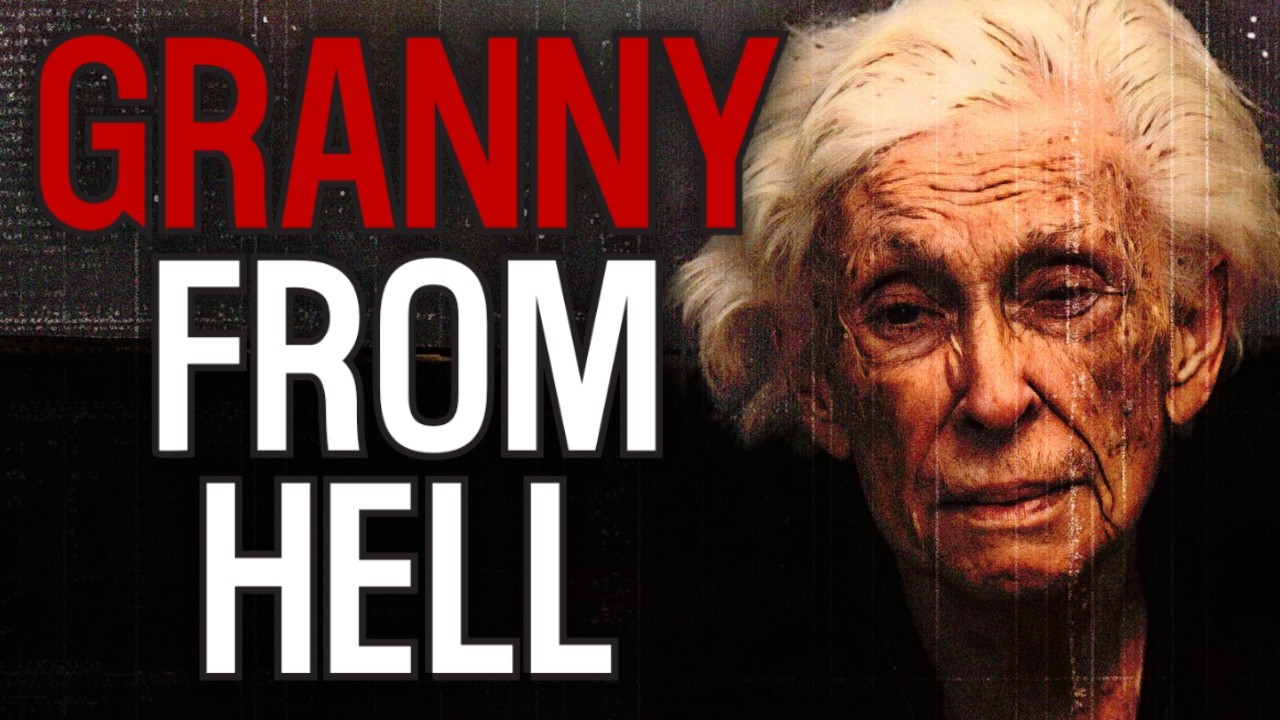
Lillian was taken to a hospital under the Baker Act, Florida’s law allowing involuntary psychiatric hold for people who pose a danger to themselves or others. Police said they were gearing toward a second-degree murder charge. Captain Brian Thiers described the case as complicated. He expressed sympathy for an elderly woman who worried about her grandson’s future, but he stressed that this was a planned, premeditated act.
“She took a human life,” he said. “We have to bring justice to his family and his friends. ”
But Joel’s family pushed back hard. Tashia, Joel’s mother, denied any rift with her son.
Lillian had described their relationship as “estranged,” but Tashia insisted she had always been present in his life. She said she and her husband had been preparing to take Joel back to Ohio. Ivonne was supposed to bring him there after helping clean the apartment. If that plan had fallen through, Tashia said she would have come for Joel herself.
It also came to light that Lillian had never set up a formal guardianship for Joel, despite her age and health problems. She could have legally transferred responsibility to another family member. She chose not to. Ivonne later realized her grandmother had probably already made her decision when she asked her to come clean out the apartment.
Lillian had been weighing two paths: have the surgery, go to a nursing home, and trust that Joel would be taken to Ohio—or do what she ultimately did. She chose the second path. “There’s not a shred of logic behind this twisted idea of mercy,” Ivonne said. “There were plenty of relatives willing and able to care for him.
He had state funding. It was all premeditated. ”
After 12 days in the hospital, Lillian was taken to the Manatee County Jail and charged with second-degree murder. The charge was later reduced to manslaughter, which further enraged the family.
They argued the act had been planned for weeks and should have been first-degree murder. But the trial never happened. On January 1st, 2020, just over three months after Joel’s murder, Lillian Parks died. With her death, the case effectively ended.
No autopsy results were released. The letters she left behind were never made public. The family stopped speaking to the press. No obituary for Lillian ever appeared.
What remained were unanswered questions and an unspeakable silence. The community, though, refused to let Joel be forgotten. The Easter Seals family mourned him. The Miracle League was shaken.
His celebration of life was held on October 3rd, 2019, in Venice, Florida. Friends from Chase Bank remembered his smile and his hugs. A caregiver who had last seen him at a Walmart recalled his bright smile and said it had been an honor to care for him. His family was left with only memories and a voicemail from Joel, telling his mother, “I love you.
”
There is a deeper, darker pattern here that people rarely talk about. Research suggests that killings of disabled individuals by family members or caregivers happen about once a week. Each week, at least one disabled person is murdered by someone who was supposed to love and care for them. Advocates warn that courts often show leniency in these cases, treating a caregiver’s hardship as a defense.
But this is a betrayal of trust, not an act of mercy. Lillian had decades to put something legal in place to protect Joel. She was a nurse. She knew the system.
She knew the process. For roughly 25 years, from the time Joel was a small child until she was 87 years old, she had every opportunity to plan for his future. She chose not to. And on a Sunday afternoon in September 2019, she made a choice that ended her grandson’s life.
Joel had a community. He had family willing to take him in. He had state funding. He had a job.
He had baseball. He greeted the world with a smile, a “Hi, friend,” and a bear hug that left everyone who received it knowing they had truly been hugged. His life mattered. His death was not mercy.
It was murder. And the justice system, in the end, never gave him a verdict.