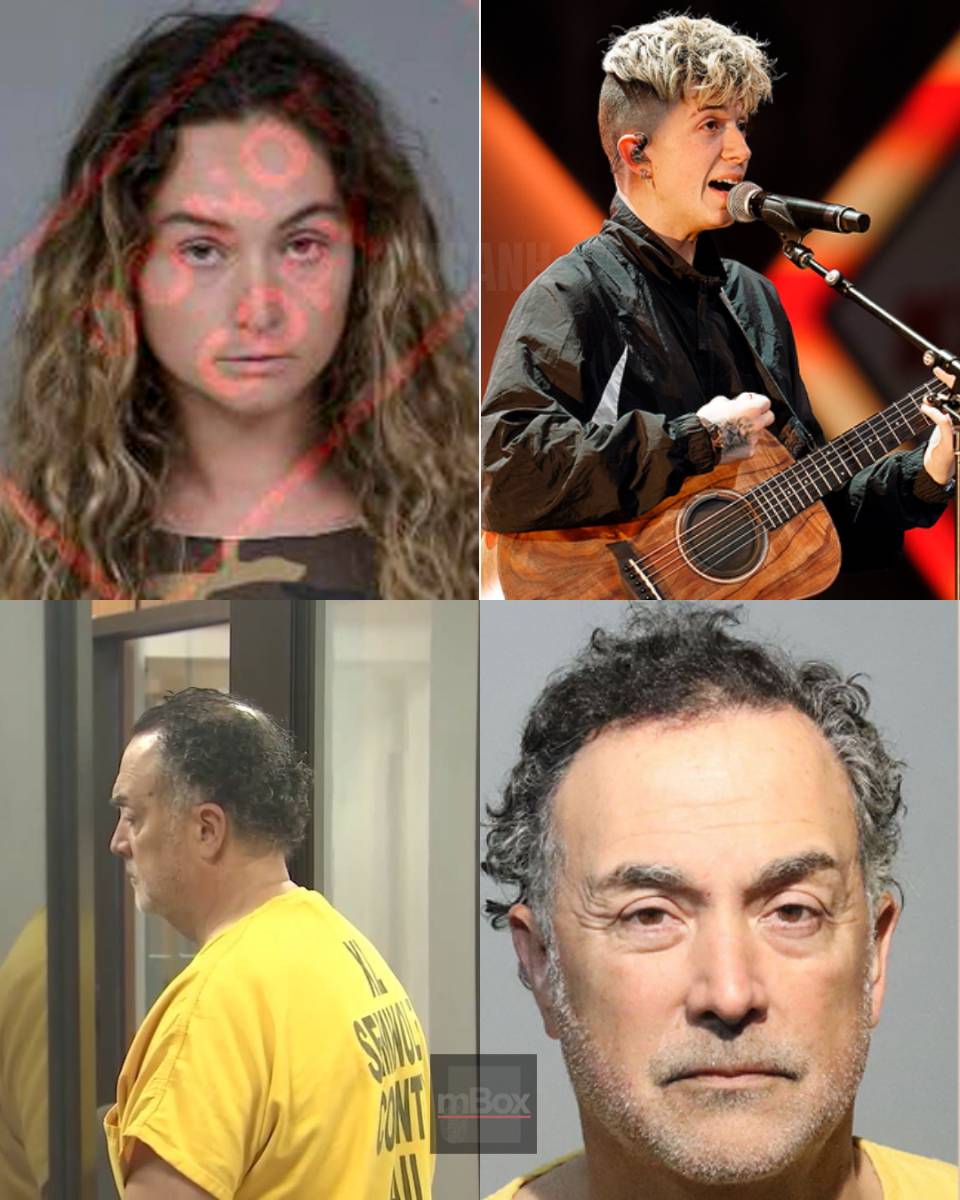
A 79-year-old former Braniff Airlines pilot has been arrested in Colorado for the 1981 strangulation murder of a Grapevine, Texas flight attendant, a cold case that remained unsolved for 45 years despite investigators having interviewed the suspect on the day of the killing.

Larry Brown, now awaiting extradition to Texas, was charged with the murder of 35-year-old Beverly Casey Brunow, who was found dead inside her Grapevine apartment on February 13, 1981. DNA collected from discarded soda and barbecue sauce bottles outside Brown’s Loveland, Colorado home finally provided the critical comparison that had eluded detectives since the original investigation.
The arrest affidavit reveals that Brown was immediately considered a person of interest in 1981, but without the technology to link him to the crime scene, he remained free for decades.
Brunow was a Braniff Airlines flight attendant who co-owned a Dallas home with Brown’s wife, Thelma Brown. The couple wanted Brunow to sell the property or release them from the mortgage, but she refused, fearing involvement in insurance fraud over inflated repair estimates.
Three days before her death, Brown visited Brunow’s apartment to pressure her to sign documents. Her mother later told investigators the meeting became a heated argument, and Brunow said she was afraid of Brown.
On the morning of February 13, 1981, Brunow’s boyfriend left for work. When he returned that afternoon, he found her on the living room floor with an electrical cord around her neck, blood on her face and nightgown, and signs of a violent struggle.
Detectives arrived at the Brown home the same day. Thelma Brown was away on an international flight, so Larry answered the door. He told police he had been at the damaged Dallas house meeting contractors that morning, around the same time Brunow was believed to have been killed.
Investigators noted that Brown’s answers were evasive and that he had a fresh injury beneath his right thumbnail, where the top layer of skin appeared torn away. He said he hurt it at work, but one detective doubted that explanation.
 Brunow had fought her attacker, and blood was left at the scene. However, in 1981, police had no way to identify whose blood it was. Brown refused to provide fingerprints, photographs of his hand, or consent to a polygraph.
The case went cold. Witnesses moved, memories faded, and investigators retired. But the evidence was preserved: Brunow’s blood-stained nightgown, original interviews, property records, and notes about Brown’s hand.
In 2010, a DNA profile was developed from an unknown man’s blood on the nightgown using technology that didn’t exist in 1981. That profile was entered into CODIS, but no match was found. Brown’s DNA was still not available for comparison.
Then in 2025, a Grapevine detective reopened the case from scratch. The file held the same name investigators had considered from the start: Larry Brown. The renewed investigation focused on obtaining a DNA sample from him.
In February 2026, the Larimer County Sheriff’s Office helped collect household trash from outside Brown’s Colorado home. Inside the discarded items were soda bottles and a barbecue sauce bottle. A laboratory developed a DNA profile from one of the bottles.
 That profile was directly compared to the unknown male blood profile from Brunow’s nightgown. The result: Brown could not be excluded as the contributor. The DNA profile was estimated to occur in about 1 in 17 billion Caucasian individuals.
The bottle didn’t introduce Brown to the case. It gave investigators the comparison sample they had been missing for 45 years.
On June 8, 2026, authorities arrested Brown in Colorado on a Texas murder warrant. He was 79. He had been 34 when Brunow was killed.
A Tarrant County Grand Jury indicted him on June 29, alleging he intentionally killed Brunow by strangling her with his hands or with the electrical cord found around her neck.
Brown was extradited to Texas. His bond was initially set at $2 million but later reduced to $100,000. He posted bond on July 21 and was released under house arrest with GPS monitoring.
 The case remains pending as of August 2026. The prosecution’s evidence has not yet been tested at trial.
Grapevine Police Department said in a statement: “It is committed to pursuing justice for victims regardless of how much time has passed.”
The arrest affidavit details the timeline of the investigation: the 1981 interview, the financial dispute over the damaged house, the insurance claim, and the refusal to sign inflated paperwork. Brunow’s signature was later added to the documents after her death without authorization.
The affidavit says Brown’s motive may have involved the jointly owned property. The dispute gave detectives a possible reason for conflict, but it didn’t give them physical evidence placing anyone inside.
For 45 years, the name attached to the unanswered questions was Brunow’s. She was a daughter, a sister, a friend, a flight attendant with a life that existed before the case began.
The suspect who was in plain sight from the start is now in custody, but the case is far from closed. The justice system is now tasked with proving what DNA evidence has finally revealed.