The execution chamber in Huntsville, Texas fell silent at 6:17 p. m. on March 6, 2007, as Robert Anthony Martinez Perez was pronounced dead, ending the life of a man federal prosecutors had identified as a general inside the Texas Mexican Mafia, one of the state’s most feared prison gangs.

Perez, 48, became the seventh inmate executed in Texas that year, but his case was far from ordinary. Prosecutors did not view him as just another convicted killer; they described him as a high-ranking leader within a criminal enterprise that operated with military precision, using violence and intimidation to maintain control over its members and territories.
The murders that sent Perez to death row occurred on April 17, 1994, when two men from his own organization, Robert Rivas and Jose Travieso, were lured to a meeting and executed in a hail of gunfire. Investigators determined that multiple firearms were used, including a . 380 caliber pistol, a 9mm pistol, and a .
38 caliber revolver, with ballistics evidence confirming that more than one weapon was fired during the attack. The prosecution argued that the killings were not spontaneous but were carefully planned as part of an internal power struggle that had fractured the Texas Mexican Mafia into rival factions.
The roots of this deadly conflict traced back to a leadership crisis within the gang. Herbert Huerta, the organization’s founder and president, had received a life sentence in federal prison, creating a vacuum of power. Huerta selected Diane Laura Guzman to oversee operations in San Antonio, but this decision was met with resistance from Luis “Blue” Adams, a powerful member who opposed Guzman’s appointment.
The dispute escalated into a violent civil war within the gang, with members forced to choose sides, and those perceived as disloyal became targets.
Perez, according to prosecutors, aligned himself with Huerta’s chosen leadership, while Rivas and Travieso were associated with the opposing faction. This allegiance made them targets in the escalating struggle for control. The meeting on April 17, 1994, was arranged under false pretenses, and when Rivas and Travieso arrived, they were ambushed by Perez, Joe Sandoval, and Javier Garcia.
The victims were shot repeatedly, and investigators concluded that the attack was deliberate and coordinated, designed to eliminate rivals and consolidate power.
The case against Perez was built on a combination of witness testimony, physical evidence, and the broader understanding of the gang’s internal dynamics. Detectives from the Texas Rangers and federal authorities worked together, leveraging information from the larger racketeering investigation into the Texas Mexican Mafia. The evidence painted a picture of an organization where loyalty was enforced through violence, and internal disputes were settled with lethal force.
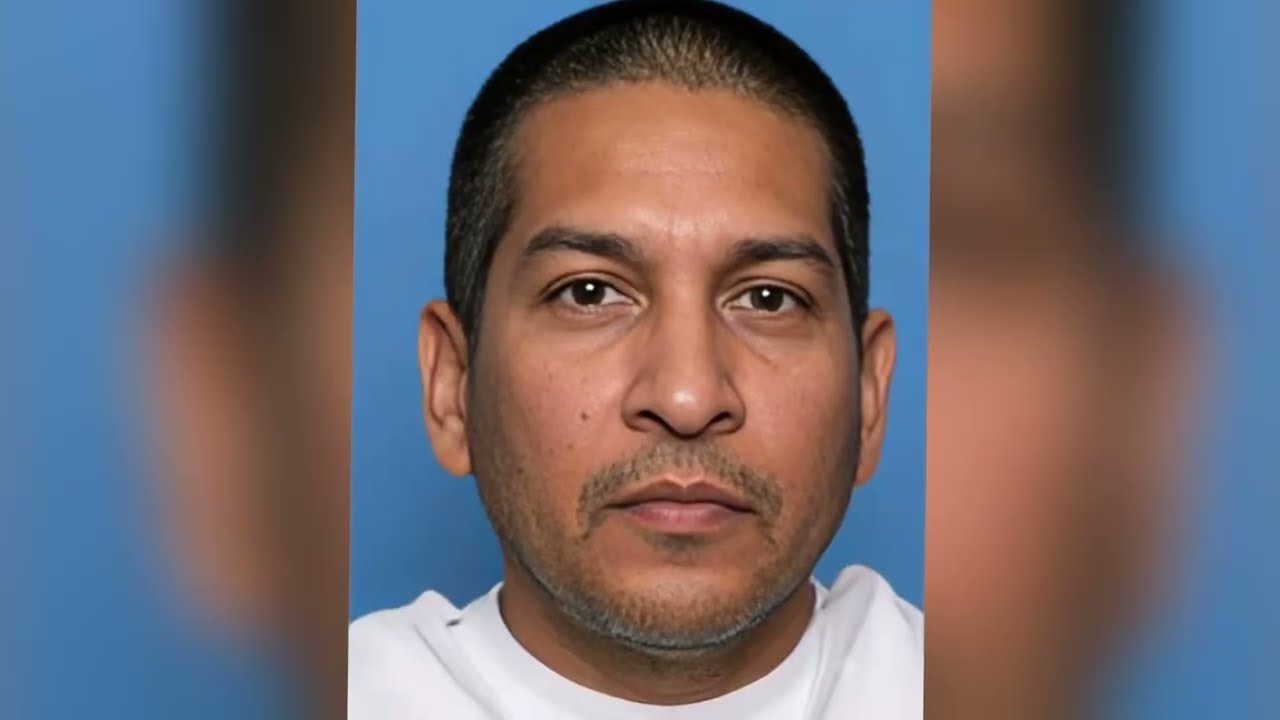 Perez’s criminal history began long before the double homicide. He was born on June 29, 1958, in San Antonio, Texas, and left school after completing only the ninth grade. He worked as a laborer but soon became entangled in violent crime.
In the early 1980s, he was convicted of attempted voluntary manslaughter with a deadly weapon after stabbing a 38-year-old man multiple times, including wounds to the heart and stomach. He was sentenced to 10 years in prison, but the experience did not reform him; instead, it deepened his connections to organized crime.
During his time in prison, Perez became affiliated with the Texas Mexican Mafia, a gang that had been founded in the 1980s by inmates within the Texas prison system. The organization operated with a strict hierarchy, with a president at the top, followed by generals, captains, lieutenants, sergeants, and soldiers. Federal prosecutors alleged that Perez held the rank of general, placing him among the highest-ranking members in the organization.
This position gave him authority over operations and made him a key figure in the gang’s criminal activities.
The Texas Mexican Mafia generated money through 𝒹𝓇𝓊𝑔 trafficking, extortion, armed robberies, and other violent offenses. Members were expected to pay “taxes” to the organization, and those who refused or betrayed the gang faced severe consequences. The culture of loyalty and discipline was central to the gang’s operations, and internal disputes were often resolved through violence.
The power struggle that led to the murders of Rivas and Travieso was a direct result of this culture, where trust was fragile and betrayal was met with death.
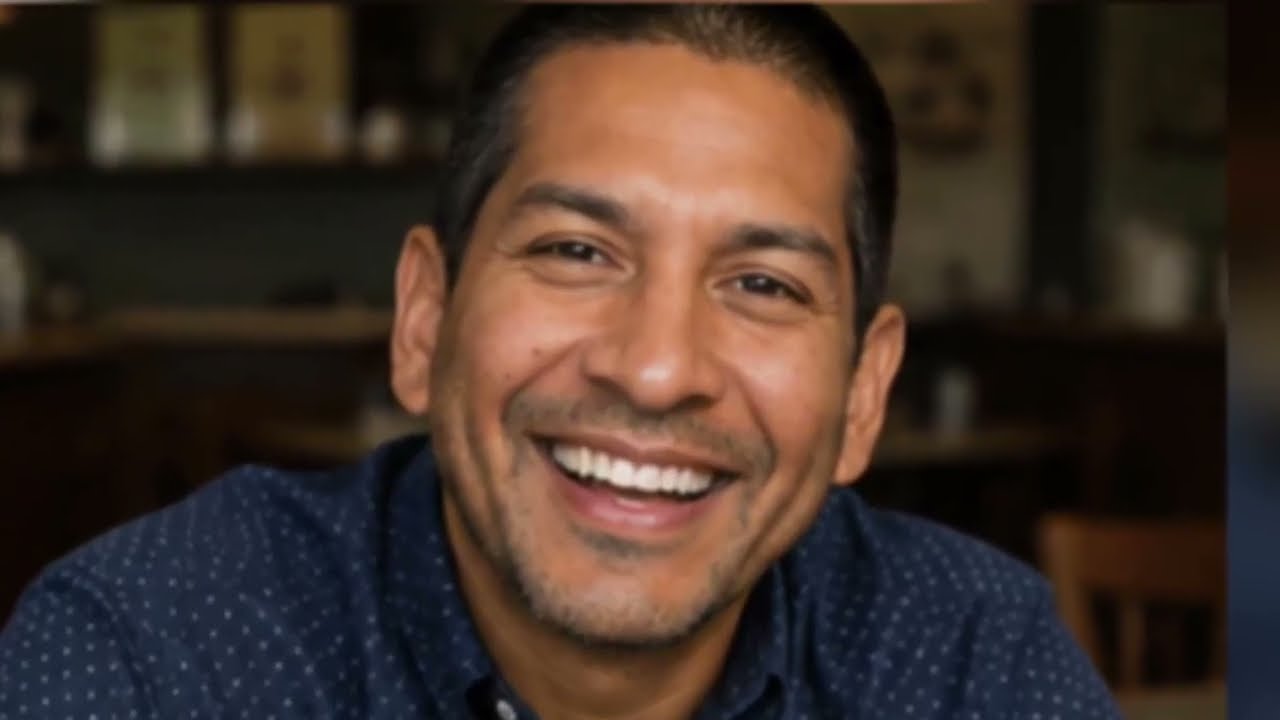 Perez’s trial for capital murder was moved from Bexar County to Dallas County to ensure an impartial jury, given the extensive publicity surrounding the case. The prosecution presented evidence that Perez had intentionally participated in the murders and that the killings were part of a planned attack stemming from the gang’s internal conflict. The jury found him guilty, and during the punishment phase, they answered the required special issues in a manner that resulted in a sentence of death.
While the state case proceeded, federal authorities were also building a sweeping RICO case against the Texas Mexican Mafia. Perez was charged along with several other alleged leaders, and after a lengthy trial, he was convicted of racketeering-related offenses and received a life sentence. However, this federal sentence did not replace the Texas death sentence, and Perez remained on death row for nearly 13 years as he pursued appeals.
The appeals process was exhaustive. Perez’s conviction was reviewed on direct appeal, and he later filed an application for state habeas corpus relief, arguing that legal errors had occurred during his trial. When those efforts were unsuccessful, he sought federal habeas corpus review, but the courts ultimately upheld the conviction and sentence.
Each stage of review ended with the same result, and by early 2007, there were no further legal barriers preventing the state from carrying out the execution.
On the day of his execution, Perez was offered a final meal, which included five pieces of fried chicken, a double meat cheeseburger with cheese and onion, onion rings, three cheese and onion enchiladas, a whole onion, French fries, hot sauce, pico de gallo, jalapenos, and two Cokes. He spent his final hours under close observation, and his family members and attorneys were given an opportunity to see him one last time. Behind another window, the relatives of the victims waited, along with members of the media and prison officials.
As the execution hour approached, Perez was escorted into the execution chamber. Witnesses described him as calm, even smiling as his son’s wife and brother entered the viewing chamber. He was secured to the gurney, and before the lethal injection began, he made a final statement.
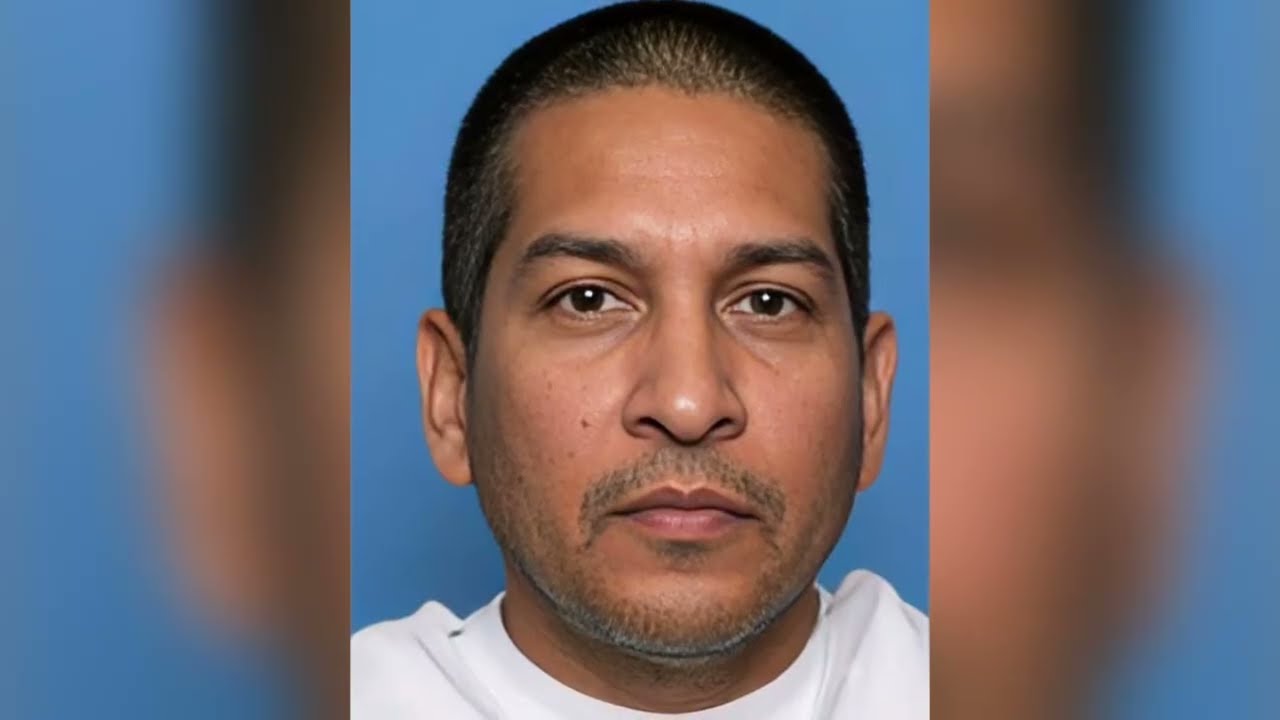 Addressing his family, he said, “Ernest, Christopher, Ontar, and Jennifer. Tell all the kids I love them and never forget. Tell Bobby Mr.
Bear will be dancing for them. Tell Bear not to feel bad. My love always.
I love you all. Stay strong, Mary. Take care of them.
I love you, too. I am ready, Warden. I got my boots on like a cowboy.”
With his final statement complete, the lethal injection was administered according to Texas protocol. Within minutes, Perez was pronounced dead. His execution closed one chapter of the story, but it could never undo what had happened on April 17, 1994.
Robert Rivas and Jose Travieso never had the opportunity to tell their own stories. Their lives ended during an internal struggle for power inside a violent criminal organization, a conflict built on loyalty, fear, and revenge.
What began as a dispute over leadership eventually escalated into two execution-style murders, a capital murder conviction, years of appeals, and finally the execution of one of the organization’s alleged highest-ranking leaders. In the end, no one truly won. Two men lost their lives in a gang power struggle, and another man spent nearly 13 years on death row before the state of Texas carried out his sentence.
It serves as a reminder that violence within organized crime rarely ends with a single act. It leaves behind grieving families, shattered lives, and consequences that can stretch across decades, long after the gunfire has stopped.