The hunt for a cop killer who vanished into the night after a brutal shootout in Boston’s Back Bay district ended not in a courtroom or a bloody standoff, but in a quiet apartment in Guadalajara, Mexico, where federal police finally closed their hands around a man who had spent months evading the most intensive manhunt the FBI could mount. Ted Atsuki, the fugitive who shot two Boston police officers in October 1987, killing one, was captured without a single shot fired in his defense, a stark contrast to the violence that had launched his flight from justice.
The nightmare began at 12:30 a. m. on October 2, 1987, when a domestic disturbance call drew officers to an apartment building in Boston’s upscale Back Bay.
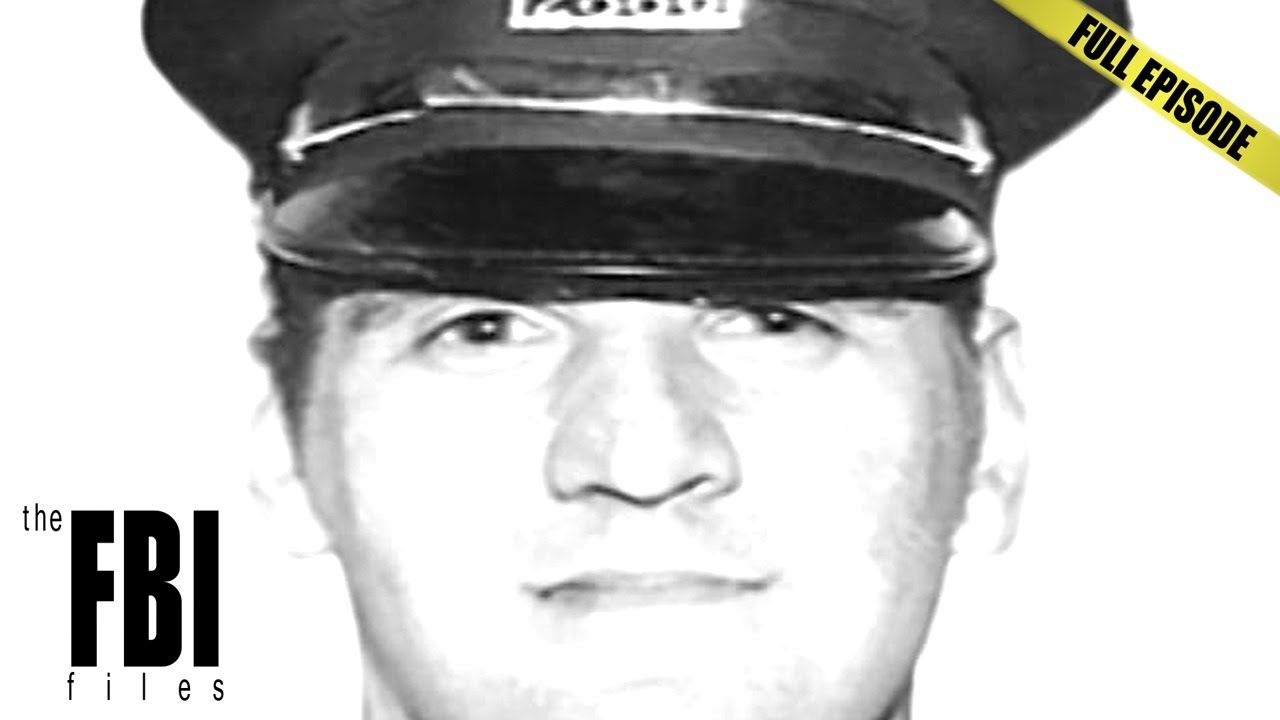 Officers George Torres and Chris Rogers arrived first, followed by William Kennedy and Roy Sergi. What seemed like a routine call turned deadly when the officers encountered a man hiding in an alcove behind the building. As Torres attempted to pat him down, the suspect shoved him, announced he had a gun, and opened fire.
Torres was hit multiple times. Sergi was also shot. The gunman fled into the night, leaving two officers critically wounded and a city in shock.
For days, investigators had no leads. The suspect had vanished, and the only description was of an Asian male in his 30s, muscular build, average height. Then, six days later, a building manager remembered a tenant named Mark Terra who had not been seen since the shooting.
Police searched his apartment and found 9-mm ammunition matching the casings at the crime scene. A fingerprint on a rental contract later matched a Texas convict named Ted Atsuki, who had used multiple aliases. Atsuki had a violent history: in 1979, he overpowered two officers at a small-town police station, knocked out their communications, and robbed a bank of $70,000.
He served seven years in Leavenworth and was on parole when he fled to Boston.
The FBI joined the hunt, obtaining an unlawful flight to avoid prosecution warrant. Agents tracked Atsuki’s associates, including Leon Perry, a former cellmate who initially denied knowing the fugitive. But when the FBI discovered that Atsuki had called Perry from the Dayton, Ohio airport the day after the shooting, the net began to tighten.
Atsuki had left his car and the murder weapon at the airport. Perry retrieved the car and the 9-mm SIG Sauer, but instead of destroying the gun as instructed, he gave it to his father in Missouri. Ballistics tests confirmed it was the weapon that killed Officer Roy Sergi, who died on October 26, 1987, from a blood clot caused by his wounds.
The case took a darker turn when an informant revealed Atsuki’s plan to kidnap bank officials using remote-controlled briefcase bombs. The FBI found two such devices in a San Francisco storage locker, sophisticated pipe bombs designed to be handcuffed to victims and detonated from a distance. Leon Perry’s fingerprints were on the packaging, and he was arrested for parole violation.
After days of interrogation, Perry agreed to cooperate, wearing a wire to meet Atsuki’s relatives in Matamoros, Mexico. The relatives led investigators to a phone call with Atsuki, who was in Guadalajara.
Mexican Federal Police staked out an apartment for two days. When Atsuki finally appeared, he drew a gun but was overpowered before he could fire. The FBI took custody the next day.
Atsuki was convicted of first-degree murder and attempted murder, sentenced to life plus 20 years. Officer Torres recovered and returned to duty, retiring in 1997. The Boston Police Department now issues bulletproof vests and 15-round semi-automatics to all officers.
The community room at the D-14 station is dedicated to Roy Sergi’s memory. The case stands as a grim reminder that no call is routine, and that the men and women who wear the badge face dangers that can erupt without warning.