Louisiana rap icon Boosie Badazz unleashed a scathing indictment of the podcast and YouTube industry Tuesday, claiming that Black content creators are unknowingly serving as the most powerful weapon in law enforcement’s investigative arsenal.
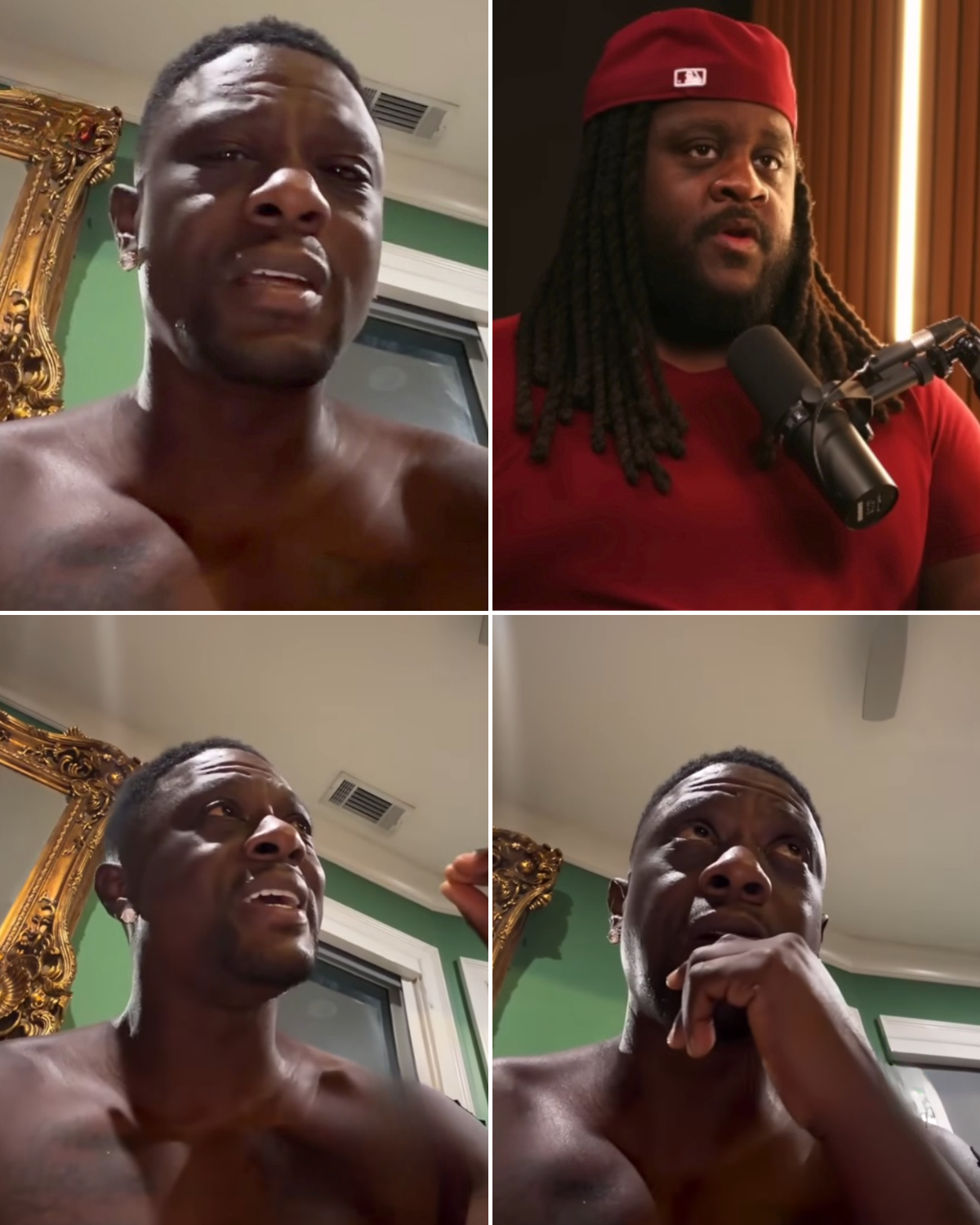
The “Wipe Me Down” rapper took to 9MagTV in a fiery monologue that has sent shockwaves through the hip-hop media ecosystem, accusing interviewers and internet commentators of doing detectives’ work for them while destroying the lives of artists they have never met.
“This shit bigger than the police,” Boosie said, visibly frustrated.
“All y’all podcast, not all of them, but YouTubers and people on Instagram. Y’all are the golden egg to the investigator.”
The rapper’s central argument is simple: law enforcement no longer needs to conduct traditional detective work when a simple hashtag search on Instagram or YouTube yields hours of detailed discussion about alleged crimes, including specific names, locations, and timelines.
“All they got to do is hashtag your page and hashtag who they want to hear about and build their case,” Boosie explained. “Y’all go into depth, into detail, saying names, saying stuff about crimes.”
The comments have reignited a long-simmering debate about the role of true crime content in hip-hop media, particularly the proliferation of YouTube channels and podcasts that dissect ongoing legal cases involving rappers with chilling precision.
Boosie’s frustration appeared to peak when he addressed the motivation behind such content, questioning why Black creators are so eager to contribute to the downfall of their own community’s artists.
“The people y’all doing this trying to harm never harmed you a day in your life,” he said. “Y’all never had words.
They don’t even know you.”
He reserved particular venom for the transactional nature of the relationship between content creators and the subjects of their coverage, noting that the rappers being discussed have no connection to the people profiting from their legal troubles.
“The people you doing this for, they don’t know you, neither,” Boosie continued.
“They don’t give a damn about you. If their family wanted a silver suit, you wouldn’t get a dollar.”
The “silver suit” reference, a clear allusion to funeral attire, underscored the gravity of what Boosie believes is at stake.
He is not talking about speculative gossip. He is talking about content that could lead to life sentences.
“Why are we so happy in the world with someone’s downfall?”
he asked. “And why is it always us doing this to us? You never see a white doing this to a white artist.”
This racial dimension is likely to be the most discussed aspect of Boosie’s remarks, touching as it does on the outsized scrutiny Black artists face in the criminal justice system compared to their white counterparts.
Boosie Badazz, born Torrence Hatch, has personal experience with the intersection of fame and prosecution. He spent years behind bars on drug and gun charges and has watched numerous peers and proteges navigate serious legal battles.
His comments also targeted the interviewers themselves, particularly those who ask questions designed to elicit potentially incriminating responses from guests who may not realize the legal jeopardy they are placing themselves in.
“Why ask somebody a question that can get them 50 years to life in prison?” Boosie demanded.
“Give me a Ricky Smiley interview, bro.”
The reference to comedian Rickey Smiley, known for lighter and more entertainment-focused celebrity interviews, suggested Boosie believes hip-hop media has lost its way, prioritizing controversy and crime content over uplifting conversation.
“Police will be looking way on in somewhere,” Boosie said.
“Y’all going to put them right there. It’s sad. It really is, bro.
And the question is, why?”
The monologue, which has already begun circulating across social media platforms, arrives at a moment when several high-profile hip-hop figures are facing serious federal and state charges on an ongoing basis.
For years, defense attorneys have privately complained about the proliferation of crime-focused podcasts and YouTube channels that discuss their clients’ cases in detail, arguing that such content can prejudice potential jurors and provide prosecutors with additional ammunition.
But Boosie’s willingness to name the problem publicly, and his framing of it as a systemic issue within Black media, marks a significant escalation in the conversation.
Critics of Boosie’s position are likely to argue that podcasters and YouTubers are exercising their First Amendment rights and that public discussion of criminal cases is a cornerstone of American democracy and transparency.
Others will note that many of these content creators are simply responding to audience demand.
True crime content, particularly involving rappers, generates massive viewership, and algorithms reward engagement regardless of moral considerations.
Yet Boosie’s emotional plea cuts through the defense of commerce and entertainment. His question, “Do it make you sleep better at night?”
is aimed directly at the conscience of every content creator who has ever profited from a rapper’s legal troubles.
“Nobody from both sides know you,” he added, underscoring the strange paradox of a media ecosystem where strangers build careers on the suffering of other strangers who have no idea they exist.
The rapper’s comments also raise uncomfortable questions about the relationship between social media platforms and law enforcement agencies, which have long recognized the investigative value of publicly available content.
Police departments across the country employ social media analysts who monitor platforms for information relevant to ongoing investigations. The rise of crime-chatter YouTube channels has made their jobs considerably easier.
Boosie’s assertion that investigators can simply “hashtag your page” and build a case is not hyperbole.
Law enforcement training manuals increasingly emphasize open-source intelligence gathering from social media networks.
The 9MagTV interview, which aired under the title “It’s Bigga Than Tha Police,” has already drawn reactions from across the hip-hop community, with some praising Boosie for speaking truth and others accusing him of trying to silence legitimate journalism.
Notably absent from the conversation so far are the podcasters and YouTubers at the center of Boosie’s critique.
Many have built substantial followings by covering rap-related crime, and a formal response seems inevitable.
The broader context of Boosie’s remarks includes ongoing debates about police surveillance of Black communities, the school-to-prison pipeline, and systemic racism within the American criminal justice system at every level.
Boosie’s point about racial disparities, “You never see a white doing this to a white artist,” touches on an uncomfortable truth about the media landscape: Black celebrities face disproportionate coverage of their legal issues compared to their white counterparts.
Whether Boosie’s comments will spark meaningful change in the hip-hop media ecosystem remains to be seen. But his words have already resonated with a generation of artists who have long felt that content creators treat their legal struggles as entertainment fodder.
The rapper’s closing remarks served as a haunting summary of the problem as he sees it: a community cannibalizing itself for clicks and ad revenue, with law enforcement emerging as the ultimate beneficiary.
“This shit is bigger than the police,” he repeated. “This shit is bigger than the police.”
As the video continues to circulate across Instagram, Twitter, and YouTube, expect the debate to intensify.
Boosie has thrown down a gauntlet that the podcast and YouTube industry cannot easily ignore or dismiss.
In an era where every arrest, every indictment, and every court appearance becomes instantly monetized content, Boosie’s question lingers in the air: at what point does coverage become complicity in incarceration?
For now, the ball is in the court of the content creators.
Will they heed Boosie’s warning and adjust their coverage, or will they continue to produce the content that he believes is sending Black artists to prison?
One thing is certain: Boosie Badazz is not afraid to speak his mind, and this time, he has aimed his ire at an industry that may not be ready to hear the painful truth he is delivering.
The rapper, who has survived prison, health scares, and countless industry battles, remains one of hip-hop’s most unfiltered voices.
His latest message suggests that the most dangerous enemy of the Black artist may not be the police at all, but the cameras and microphones that claim to tell their stories.
Boosie’s words carry particular weight given his own history. He has spoken openly about his time in prison and has been candid about the legal challenges that have followed him throughout his lengthy and storied career.
His perspective, shaped by personal experience, adds credibility to his claims that the media ecosystem around hip-hop crime is doing significantly more harm than good for the artists involved.
Whether the industry listens or not, Boosie has succeeded in forcing a conversation that many would rather avoid. The silence from the podcasting community since the video dropped speaks volumes.
The podcasters and YouTubers he condemned may dismiss his comments as the ramblings of an angry artist with a grievance. But his audience of millions has heard the message loud and clear.
In the coming weeks, expect to see responses, rebuttals, and perhaps even some genuine introspection from the content creation community that has built its livelihood on covering hip-hop’s legal woes.
Boosie Badazz has done what he does best: made people uncomfortable by telling the truth exactly as he sees it, without filter and without regard for whose feelings get hurt.
The question now is whether that truth will change anything in the industry. History suggests it may not, but Boosie seems determined to keep speaking until it finally does.
His final words on the matter are likely to echo through the industry for some time to come. After all, when a man says it is bigger than the police, he is not just challenging law enforcement. He is challenging everyone who watches, shares, and profits from the content that makes the police’s job significantly easier.
The 9MagTV team, for their part, allowed Boosie to speak without interruption, letting the raw emotion of his message land with full force. It is a decision that will likely make the interview one of the most talked-about segments in the platform’s history.
And if Boosie is right about the power of these platforms, that conversation is exactly what the industry needs to have before another artist ends up behind bars because somebody decided to play detective on the internet.