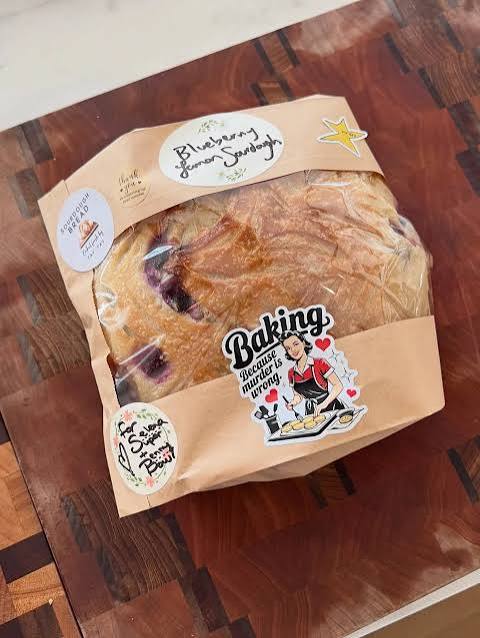
Taylor Swift has turned breakup songs, friendship bracelets and stadium tours into cultural events. Now, somehow, she has made sourdough bread part of the conversation too.
During her headline-making appearance on the New Heights podcast, Swift did more than talk about music. She also opened up about her growing obsession with baking sourdough, joking that it had taken over her life in a major way. Later, while promoting The Life of a Showgirl, she reportedly brought homemade loaves to interview hosts, with Jimmy Fallon even calling it “the best sourdough.”
The bread did not stay in the kitchen, either. Swift’s love of baking made its way into the visual world of her music. Business Insider noted that a loaf of sourdough appeared as one of the Easter eggs in “The Fate of Ophelia” music video, connecting the singer’s personal hobbies to the larger storytelling around the album.
Then Swift made a health-related comment that caught attention.
While appearing on BBC Radio 2’s Breakfast Show, she reportedly said there are “a lot of health benefits to sourdough,” and suggested that some of her gluten-free friends can eat it because fermentation helps break down carbohydrates and gluten.
So what is the truth?
Is sourdough actually healthier than regular bread — and can people who avoid gluten really eat it?
The answer is more complicated than a celebrity soundbite.
Sourdough is different from many conventional breads because it is made with a fermented starter containing wild yeasts and lactic acid bacteria. This fermentation process gives sourdough its tangy flavor, chewy texture and long-standing reputation as a more digestible bread. Healthline notes that sourdough fermentation may reduce some antinutrients in grains and produce prebiotics, which can support beneficial gut bacteria.
That is one reason sourdough is often discussed as a gut-friendly food. Prebiotics are compounds that help feed the good bacteria in the gut. Harvard Health reports that prebiotics have been linked with benefits such as better blood sugar control, improved calcium absorption, a well-functioning immune system and a reduced risk of colorectal cancer.
Still, sourdough is not magic.
A slice of sourdough bread can be part of a healthy diet, especially when it is made with whole grains and eaten with nutritious foods such as vegetables, beans, eggs, avocado, lean proteins, nuts or seeds. But a refined-flour sourdough loaf is still bread. It still contains carbohydrates, and its health value depends heavily on the ingredients, portion size and what you eat with it.
One area where sourdough may have an advantage is blood sugar response. Healthline reports that sourdough may be less likely to spike blood sugar than conventional bread because fermentation can change the structure of carbohydrates and lower the bread’s glycemic effect. Health.com also reported that sourdough has a lower glycemic index than white bread, citing a GI of 54 for sourdough compared with 71 for white bread.
That does not mean everyone with blood sugar concerns should eat unlimited sourdough. People with diabetes, prediabetes or other metabolic health issues should still consider total carbohydrates, serving size and medical guidance.
:max_bytes(150000):strip_icc():focal(737x301:739x303)/taylor-swift-benny-sourdough-072225-84d7901619144ba3bf5958622cf2676a.jpg)
The biggest confusion is gluten.
Traditional sourdough made with wheat, rye or barley is not gluten-free.
Fermentation can break down some gluten, which may make sourdough easier to digest for certain people with mild sensitivity. Cleveland Clinic notes that people who are sensitive to gluten may be able to better digest sourdough because fermentation helps decrease the amount of gluten. But the same source also makes clear that sourdough is not gluten-free and is generally not advised for people with celiac disease.
Beyond Celiac is even more direct. The organization warns that regular sourdough bread is not gluten-free and should not be eaten by people with celiac disease unless it is clearly labeled gluten-free or made safely with gluten-free ingredients. It also notes that while fermentation may reduce gluten, wheat-based sourdough does not meet the gluten-free standard of 20 parts per million or less.
That distinction matters.
Someone with mild gluten sensitivity may personally tolerate certain long-fermented sourdough breads better than regular bread. But people with celiac disease, wheat allergy or serious gluten intolerance should not rely on ordinary sourdough as a safe option. For them, the safer choice is sourdough specifically made with gluten-free flours and clearly labeled gluten-free.
So is Taylor Swift right that sourdough has health benefits?
In a general sense, yes.
Sourdough can be easier to digest for some people, may support gut health through fermentation-related compounds and may have a gentler blood sugar effect than some other breads. It can also be a satisfying alternative to highly processed white bread, especially when made with whole grains.
But the gluten claim needs caution.
Sourdough fermentation may reduce gluten, but it does not make ordinary wheat sourdough gluten-free. That difference may not sound dramatic, but for people with celiac disease, it is crucial.
The bottom line is simple: sourdough can be a healthier bread choice, but it is still bread. It works best as part of a balanced meal, not as a miracle food. Choose whole-grain sourdough when possible, pair it with fiber-rich and protein-rich foods, and choose certified gluten-free sourdough if gluten is a medical concern.
Swift may have made sourdough glamorous again, but the old-fashioned loaf does not need celebrity magic to earn its place at the table.
It is tangy, comforting, versatile and, when chosen wisely, a pretty smart upgrade from ordinary white bread.
Just do not mistake “easier to digest” for “safe for everyone.”
Even in the world of sourdough, the details matter.