More than two years after the deadly mass shooting that forever changed a Michigan community, a judge has handed Ethan Crumbley the harshest punishment available under state law.
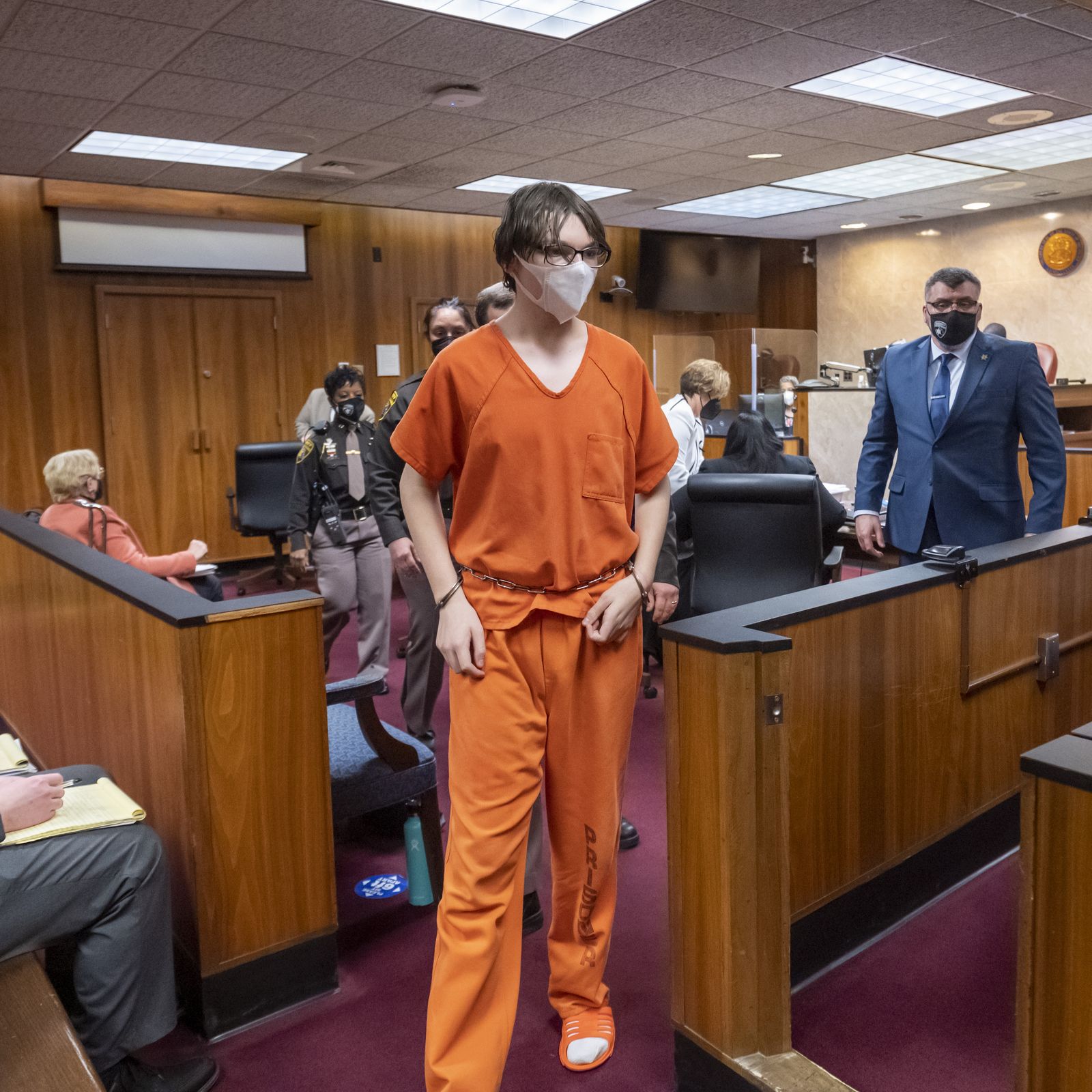
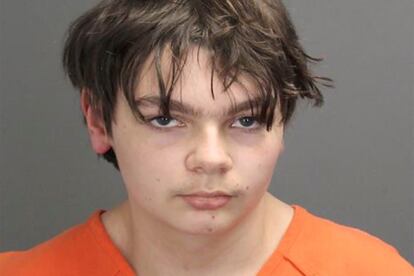 The 17-year-old, who admitted to carrying out the 2021 attack at Oxford High School, was sentenced Friday to life in prison without the possibility of parole, ending any hope that he could one day seek release. The decision came after hours of heartbreaking testimony from grieving families, wounded survivors, and emotional courtroom statements that revisited one of the deadliest school shootings in Michigan history.
Defense attorneys argued that Crumbley, who was just 15 years old at the time of the shooting, should eventually have the opportunity to prove he had changed through years of treatment and rehabilitation. His legal team described him as a deeply troubled teenager suffering from severe mental illness and urged the court to leave open the possibility of parole later in life. Judge Kwame Rowe rejected that request.
After reviewing months of psychological evaluations and expert testimony, the judge concluded that Crumbley showed only a “slim” chance of rehabilitation and ruled that the severity of his crimes justified a sentence of life without parole. Juvenile offenders rarely receive such sentences in Michigan, particularly after court rulings emphasizing that children should generally be treated differently than adults in criminal cases. However, the court determined this case was exceptional.
 Before the sentence was announced, relatives of the four students killed in the attack delivered emotional victim impact statements describing the lasting devastation left behind. Buck Myre, father of 16-year-old Tate Myre, told the court that losing his son created a permanent void that his family will never overcome. “We are miserable. We miss Tate,” he said. “Our family has a permanent hole in it that can never be fixed.”
Nicole Beausoleil spoke through tears as she recalled identifying the body of her daughter, Madisyn Baldwin, at the medical examiner’s office. “I looked through the glass,” she told the courtroom. “My scream should have shattered it.”
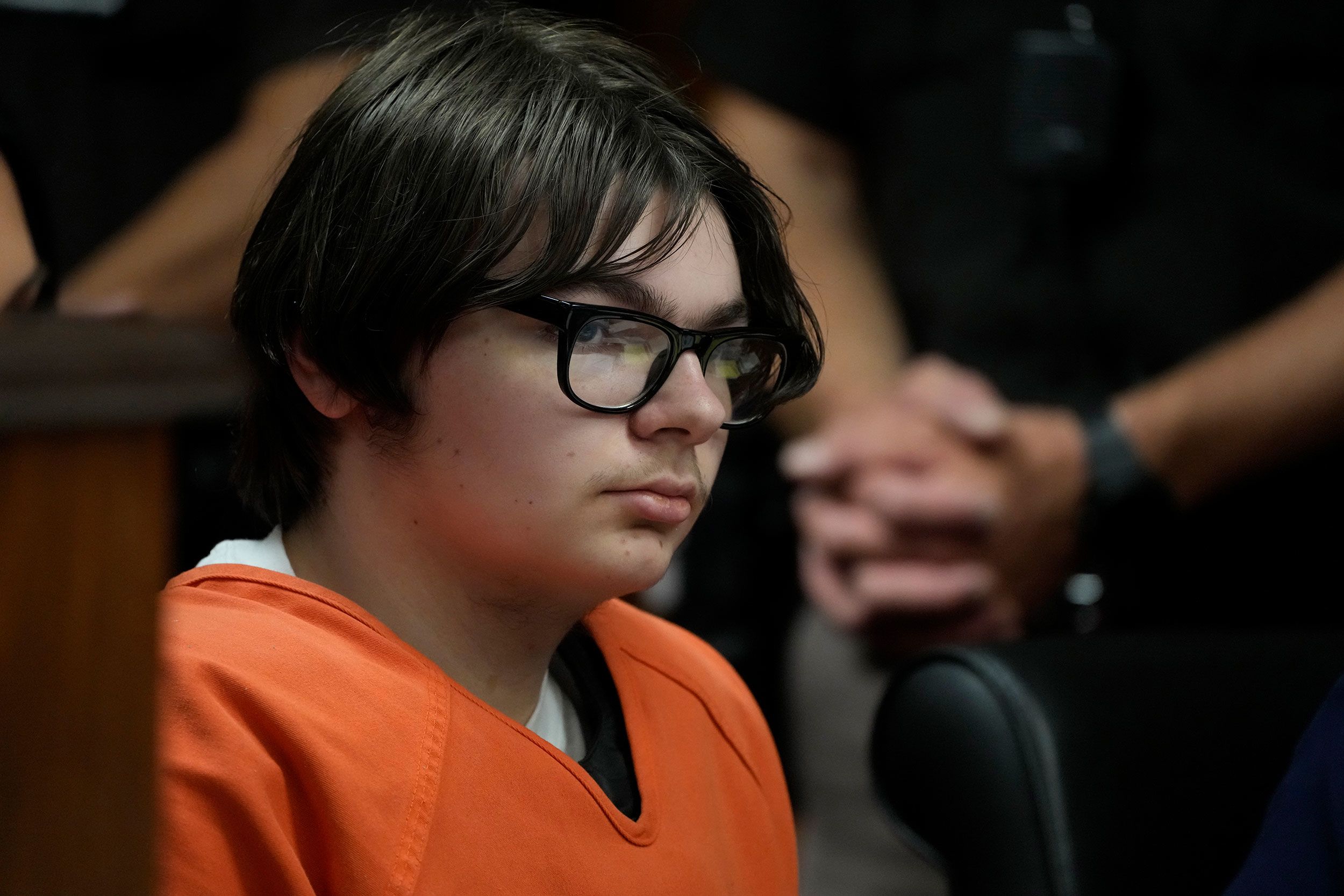
Jill Soave, mother of Justin Shilling, addressed Crumbley directly, telling him that her son likely would have become his friend if he had simply reached out instead of turning to violence. “If you were that lonely, that miserable and lost, Justin would have been your friend,” she said. Throughout much of the testimony, Crumbley remained quiet, frequently looking down as the victims’ families spoke.
The tragedy extended far beyond the four students who were killed. Several other students and a teacher were wounded, many of whom continue to suffer both physically and emotionally years after the shooting. Survivor Kylie Ossege described desperately trying to keep her classmate Hana St. Juliana alive while they waited for emergency responders to arrive.
 She told the court that spinal injuries from the shooting continue to cause daily pain and have prevented her from enjoying activities she once loved, including horseback riding. Her testimony highlighted the lasting impact the attack continues to have on survivors whose lives were permanently altered.
Crumbley pleaded guilty to all 24 charges against him, including four counts of first-degree murder and terrorism. Investigators uncovered journals and videos showing that the teenager had planned the massacre in advance. According to prosecutors, he wrote about wanting to make students suffer and acknowledged before the attack that he expected to spend the rest of his life in prison.
On the night before the shooting, he reportedly recorded a video describing what he intended to do the following day. Those writings became a central part of the prosecution’s argument that the attack was deliberate rather than impulsive.
One of the most troubling aspects of the investigation centered on what happened only hours before the shooting began. School officials met with Crumbley and his parents after teachers discovered violent drawings and disturbing behavior that raised concerns about his mental state.
Despite those warning signs, no one searched his backpack, where the handgun used in the attack had been concealed. He was allowed to return to class. An independent investigation later concluded that failures at multiple levels—including administrators, staff members, and the school district—contributed to the tragedy. The report found that Crumbley’s behavior should have identified him as a potential threat well before the shooting occurred.
The legal fallout has not been limited to Ethan Crumbley. His parents, Jennifer and James Crumbley, have also faced criminal prosecution after prosecutors alleged they made the firearm accessible to their son while failing to address serious concerns about his deteriorating mental health.
They have been charged with involuntary manslaughter, marking one of the first major attempts in the United States to hold parents criminally responsible for a school shooting carried out by their child.
The November 30, 2021 attack claimed the lives of Tate Myre, Madisyn Baldwin, Justin Shilling, and Hana St. Juliana. Six additional students and one teacher were wounded. Friday’s sentencing closes one chapter of the criminal case, but it cannot erase the trauma left behind. For the victims’ families, the survivors, and the Oxford community, the consequences of that day continue to shape their lives—and Judge Rowe’s decision ensures the teenager responsible will remain behind bars for the rest of his life.