The courtroom battle surrounding singer d4vd has entered a dramatic new chapter.
 After five days of disturbing testimony, graphic forensic evidence, and emotional witness accounts, a Los Angeles judge ruled there is enough evidence for the case to move forward to trial, rejecting the defense’s effort to stop the prosecution before it reached a jury.
The decision doesn’t determine guilt—but it signals that prosecutors have presented sufficient evidence for one of the year’s most closely watched criminal cases to continue.
Superior Court Judge Charlaine Olmedo ruled Monday that prosecutors established probable cause on all major charges against the 21-year-old artist, whose legal name is David Anthony Burke. That means the murder case will now proceed toward trial. The judge also ordered that Burke remain held without bail and scheduled his arraignment for August 31, with a trial date expected to be set shortly afterward. Outside the courthouse, Los Angeles County District Attorney Nathan Hochman said the evidence presented during the preliminary hearing represented only a small portion of what prosecutors intend to show a jury. “We believe the evidence at trial will overwhelmingly prove guilt beyond a reasonable doubt,” Hochman said.
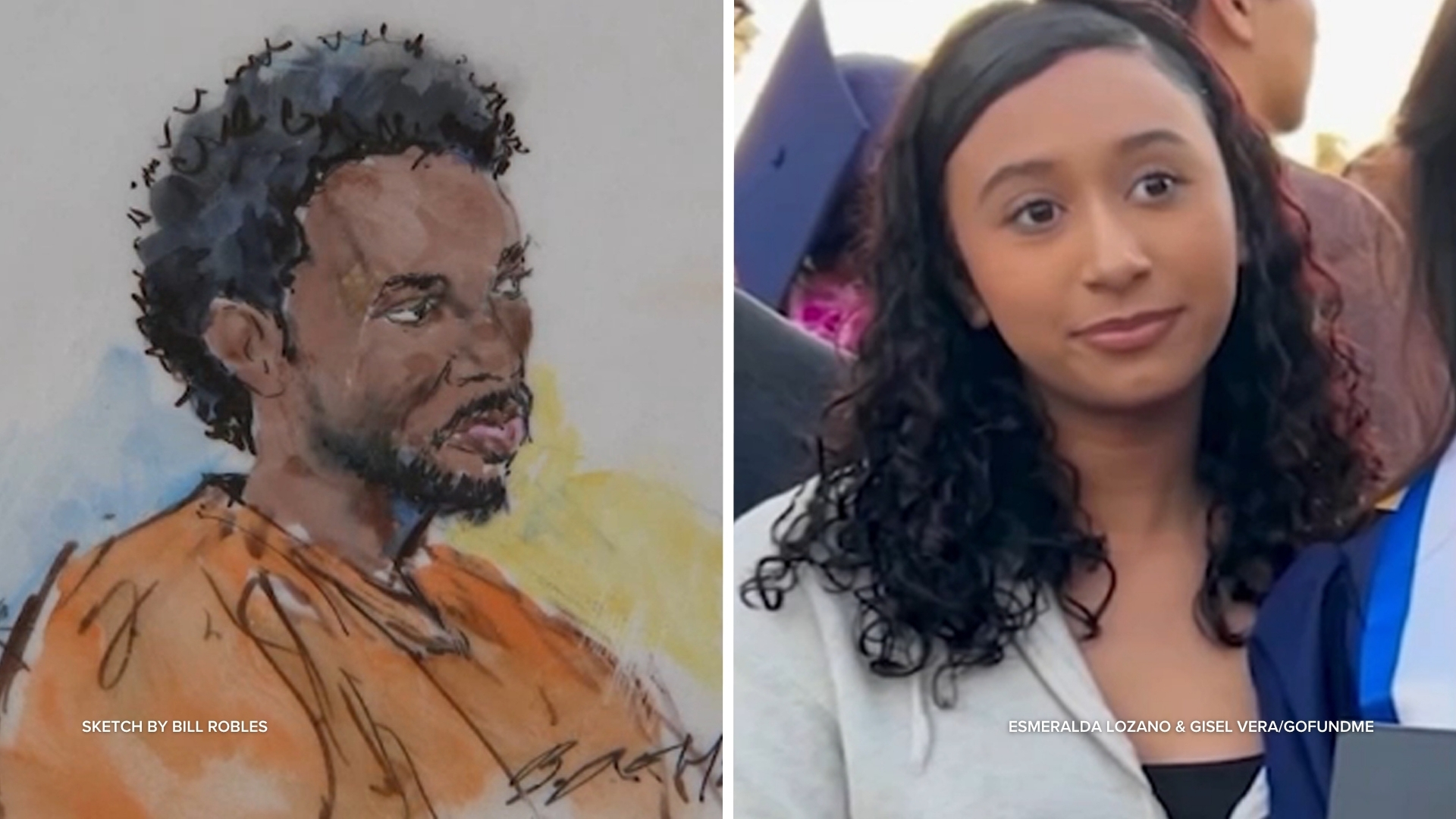
According to prosecutors, Burke murdered 14-year-old Celeste Rivas Hernandez in April 2025 after she allegedly threatened to expose details of their relationship just days before the release of his debut studio album. They accuse him of stabbing the teenager to death before dismembering her body and attempting to hide the crime.
 Burke has pleaded not guilty to charges including first-degree murder with special circumstances, continuous sexual abuse of a child under 14, and mutilating human remains. His attorneys continue to insist that he did not kill Celeste and argue that the evidence will ultimately prove his innocence.
The preliminary hearing included some of the most disturbing testimony presented so far in the investigation. Jurors are not yet involved, but prosecutors introduced evidence describing how Celeste’s remains were discovered inside the trunk of Burke’s Tesla months after she disappeared.
According to the family’s attorney, Celeste’s parents remained in court as prosecutors displayed photographs of their daughter’s remains for the first time. The images were so graphic that her mother reportedly broke down in tears, while other portions of the hearing discussing the autopsy and explicit text messages became too painful for the family to watch.
Although prosecutors presented extensive forensic evidence, Burke’s defense team spent much of the hearing questioning how investigators handled key pieces of physical evidence. Among the issues raised were two chainsaws recovered during the investigation.
 While prosecutors previously alleged chainsaws may have been used to dismember the victim, forensic testing reportedly found no blood on the two recovered tools. Investigators acknowledged that a third chainsaw had been purchased but has never been located. Defense attorneys also questioned DNA evidence recovered from the home, suggesting some biological material could have resulted from earlier contact or secondary transfer rather than the alleged crime itself.
Perhaps the most detailed evidence presented involved cellphone records and text messages exchanged between Burke and Celeste during the hours prosecutors believe she was killed. Investigators allege Burke arranged for an Uber to bring Celeste to his home on the night of April 23, 2025.
According to prosecutors, security records showed the property’s gate opening shortly after she texted that she had arrived. That message would reportedly become the final text ever sent from Celeste’s phone. Investigators believe she was killed within minutes of entering the home.
Cellphone records later placed Burke traveling toward a remote area where Celeste’s identification was eventually recovered. Meanwhile, prosecutors argue that messages Burke later sent to Celeste’s phone—including asking where she was and pleading for her to respond—were deliberately staged to create the appearance that she had disappeared on her own.
The judge emphasized that Monday’s ruling was not a determination of guilt, but simply a finding that prosecutors presented enough evidence for the case to continue. The much higher legal standard—proof beyond a reasonable doubt—will ultimately be decided by a jury during trial. For Celeste’s family, however, Monday’s ruling marked an important milestone. After months of waiting, the case is now officially moving toward trial, where prosecutors are expected to reveal the full scope of the evidence they believe ties the rising music star to one of the most disturbing homicide cases in recent memory.


