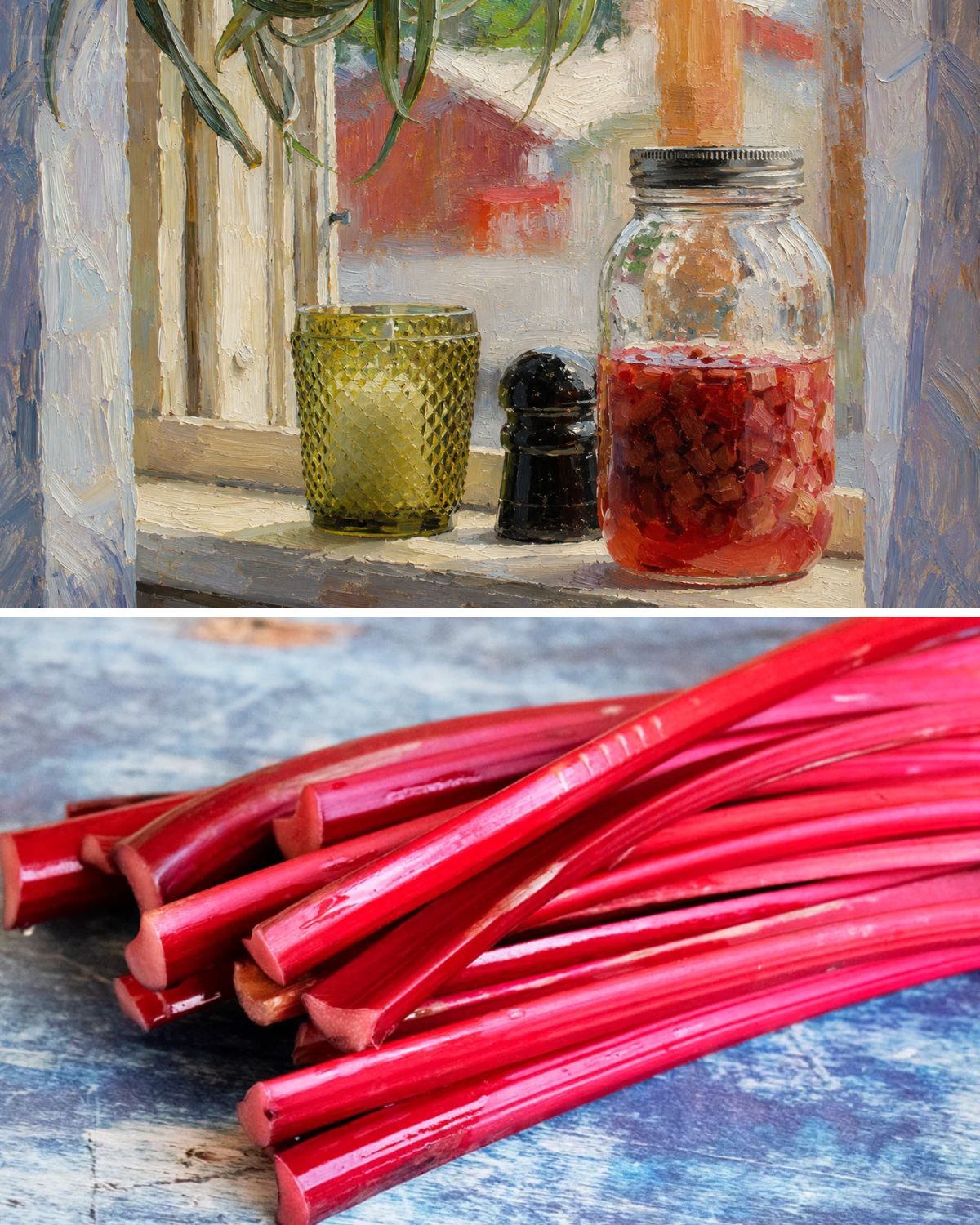
Long before peaches, blueberries and strawberries reach their peak, rhubarb is already pushing its bright stalks up through the spring garden.
It is one of the first harvests of the year, and after months of winter meals, its tart flavor feels like a wake-up call. Those red and pink stalks bring color back to the kitchen, and although rhubarb is technically a vegetable, most people treat it like fruit because of the sweet, tangy desserts it makes so well.
But rhubarb deserves more than one predictable role.
Yes, strawberry-rhubarb pie is a classic for a reason. But if that is the only thing you make with rhubarb, you are missing out on one of the most versatile spring crops in the garden.
Rhubarb can be baked into brownies, simmered into cordial, stirred into muffins, roasted as a savory side dish, turned into chutney, blended into lemonade or transformed into a creamy custard pie. Its sharp flavor works beautifully with sugar, chocolate, ginger, honey, vinegar, yogurt, herbs and even jalapeños.
If your rhubarb patch is producing more stalks than you know what to do with, these ideas may change the way you see this old-fashioned spring favorite.
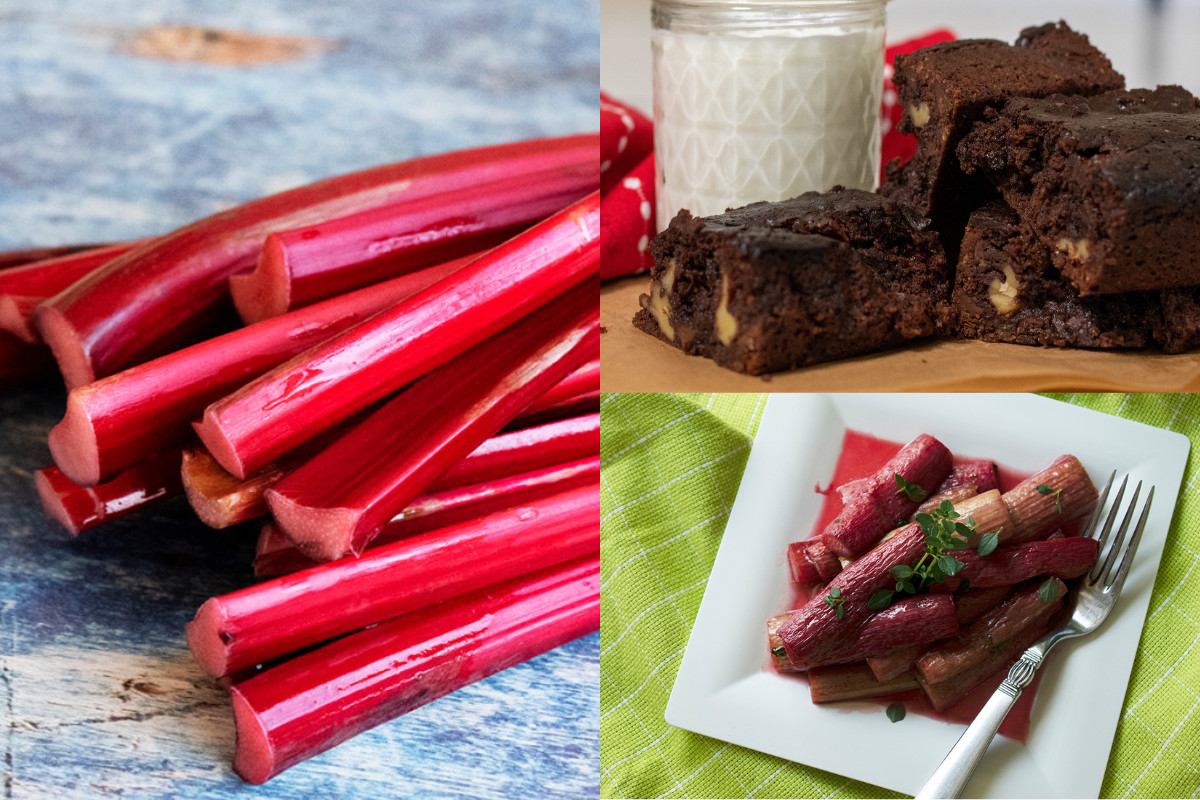
The first surprise is chocolate rhubarb brownies. At first, chocolate and rhubarb may sound like an unlikely pair, but the combination works beautifully. Dark chocolate softens the sharpness of rhubarb, while the rhubarb adds moisture and little bursts of sweet-tart flavor throughout the brownies. The result is rich, chewy and far more interesting than an ordinary pan of brownies.
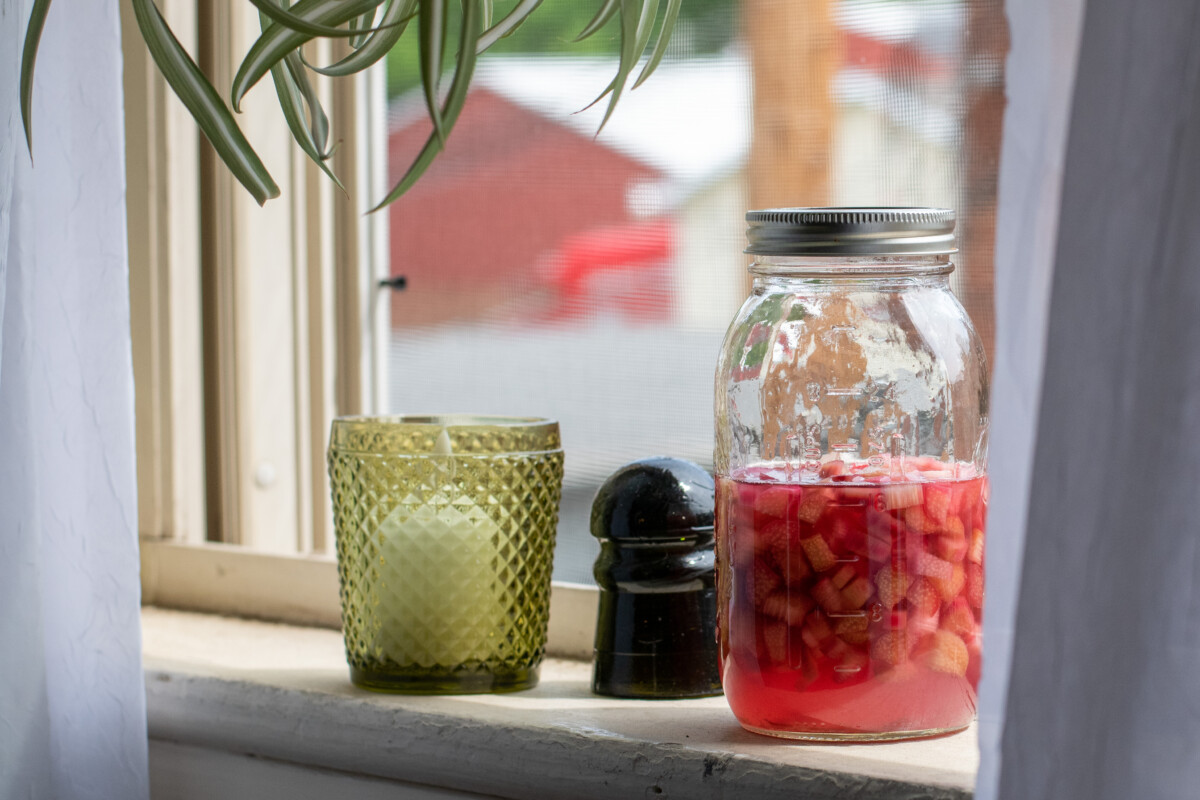
Rhubarb cordial is another simple way to preserve the flavor of spring. Cordials always sound elegant, but they are often much easier to make than guests imagine. A rhubarb cordial captures that bright pink color and tangy flavor in a bottle you can use long after the season ends. Serve it over ice on warm evenings, pour a small glass after dinner, or add a splash to lemonade for a more layered drink.
For breakfast, rhubarb oat muffins are an easy seasonal bake. Oats give the muffins a soft, hearty texture, while rhubarb keeps them lively and fresh. They are excellent for brunch, but they also make a practical weekday breakfast. For an extra treat, slice a muffin in half, spread the cut sides with butter and toast them in a hot skillet until golden.
Rhubarb fool is one of the prettiest spring desserts you can make. It combines whipped cream with rhubarb compote, creating a light, airy treat that looks as cheerful as it tastes. After a heavy meal, it is exactly the kind of dessert that feels satisfying without being too much. The compote can also be made ahead and frozen, giving you a way to enjoy rhubarb flavor later in the year.
Rhubarb bitters are a clever choice for anyone who enjoys cocktails or more complex non-alcoholic drinks. Many mocktails lean too sweet, but bitters add depth and balance. Homemade rhubarb bitters bring a sharp, botanical punch that works in cocktails, sparkling water or simple bitters-and-soda drinks. A few drops can make a glass feel far more sophisticated.
Then there is rhubarb salsa.
It sounds strange until you taste it. Rhubarb’s tartness pairs surprisingly well with honey, jalapeño and other salsa ingredients. The result is sweet, tangy, spicy and bright. It works with tortilla chips, but it can also be spooned over grilled chicken, fish or tacos. For a chunkier salsa, pulse the other ingredients first, then add the cooked rhubarb last so it does not turn mushy.
If comfort food is what you want, skillet rhubarb crisp is hard to beat. A good crisp gives you everything people love about pie without the pressure of making perfect pastry. Rhubarb’s tartness is ideal under a sweet, crunchy topping, especially when baked in a cast-iron skillet and served warm with vanilla ice cream. A crisp bottom layer makes the dish even better, giving texture from top to bottom.
For summer heat, rhubarb and Greek yogurt popsicles are a perfect use for rhubarb jam or compote. The creamy yogurt balances the tangy fruit, and the result is both refreshing and indulgent. Use full-fat yogurt and cream for a richer popsicle, or lighter yogurt and half-and-half if you prefer an icier texture. Either way, it is a beautiful way to stretch rhubarb into the warmer months.
Rhubarb does not have to stay in dessert territory. Roasted rhubarb makes a quick and unexpected savory side dish. Toss chopped stalks with melted butter, maple syrup, fresh thyme, salt and pepper, then roast until tender. The maple syrup softens the tartness, while thyme adds warmth. Serve it with pork chops, chicken or even spooned over roasted vegetables.
Rhubarb chutney is another savory option worth keeping in the fridge. With apple cider vinegar, spices and a little sweetness, rhubarb becomes a warm, tangy condiment that works with cheese boards, crackers, ricotta, pork tenderloin, baked salmon and grilled meats. It is the kind of recipe that feels special enough for summer gatherings but practical enough to use all week.
Rhubarb lemonade may be the most refreshing recipe of all. Instead of ordinary pink lemonade, rhubarb adds real flavor and color. It creates a gorgeous rosy syrup that can be mixed with water, poured over ice and finished with fresh mint. The taste is sweet-tart, bright and more rounded than regular lemonade. Make extra syrup and freeze it so you can enjoy rhubarb lemonade after the season is over.
And finally, there is rhubarb custard pie.
Unlike the more common strawberry-rhubarb pie, rhubarb custard pie lets rhubarb stand on its own. The creamy custard softens the tart fruit, creating a pie that is light, smooth and just sweet enough. Made with eggs, sugar, flour, nutmeg and chopped rhubarb, it is an old-fashioned dessert that feels both simple and special. For many families, this is the kind of recipe that becomes the standard by which every other rhubarb pie is judged.
Rhubarb season is short, which is part of what makes it so special. The plant appears early, produces generously for a few weeks, and then quietly steps back while the rest of the garden takes over.
That brief window is worth enjoying.
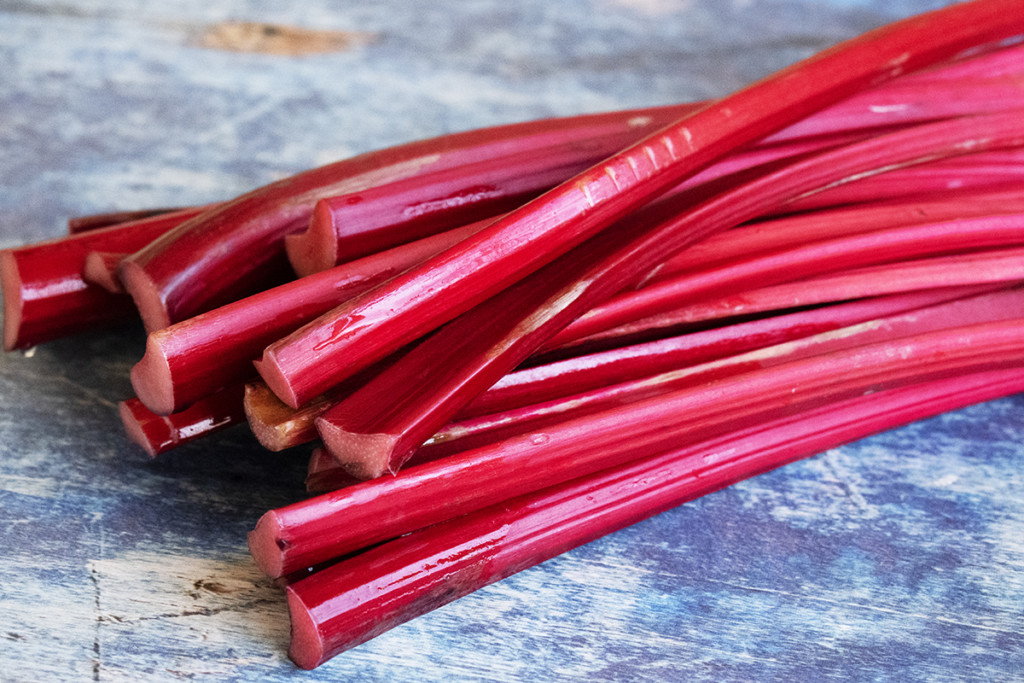
Harvest stalks when they are at least 12 inches long, and always leave some stalks behind so the plant can keep growing and return next year. Remember that only the stalks are edible. Rhubarb leaves are poisonous and should never be eaten, though they can be cut away after harvest.
Once you have a basket of stalks in the kitchen, do not limit yourself to pie.
Bake them into brownies.
Steep them into cordial.
Fold them into muffins.
Swirl them into cream.
Roast them with thyme.
Turn them into lemonade, chutney, salsa or popsicles.
Rhubarb is tart, colorful, old-fashioned and surprisingly flexible. It is one of spring’s earliest gifts, and with a little imagination, it can become much more than a supporting role beside strawberries.
By the time rhubarb season ends, you may find yourself wishing you had planted a few more crowns.
Because once you discover how many ways there are to use it, one patch never feels like enough.