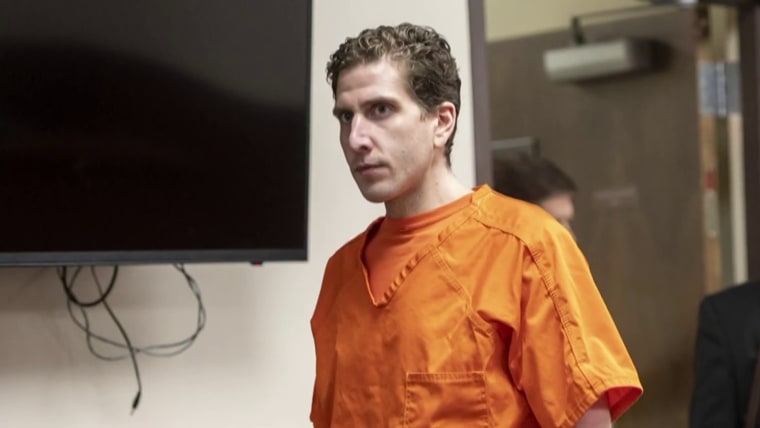
Just one year after standing in court and admitting he murdered four University of Idaho students, Bryan Kohberger is making a stunning reversal that could reopen one of America’s most notorious murder cases.
The man who avoided the death penalty by pleading guilty now insists he is innocent—and says his confession was the result of threats, false promises, and misleading legal advice.
 The unexpected filing has reignited public outrage, while the victims’ families say they are more than ready to face him in court again.
On Monday, Kohberger filed a petition for post-conviction relief, asking an Idaho court to throw out the guilty plea that sent him to prison for life without parole.
In handwritten court documents, he claimed his attorneys failed to share evidence that could have helped prove his innocence and convinced him to accept a plea agreement under false pretenses.
According to Kohberger, he was misled about what life in prison would actually be like and pressured into admitting guilt even though he has always maintained he did not commit the murders.
“My actual innocence is my truth,” Kohberger wrote, arguing that his confession was based on “false promises” and “blatant disinformation.”
The filing is especially shocking because Kohberger publicly admitted responsibility during his July 2025 plea hearing.
When the judge asked a simple but critical question—
“Are you pleading guilty because you are guilty?”
Kohberger answered with a single word:
“Yes.”
 That admission allowed him to avoid a possible death sentence in exchange for four consecutive life sentences without the possibility of parole.
At the time, the plea deal ended years of legal battles and spared the victims’ families from a lengthy capital murder trial.
Now Kohberger wants to erase that confession entirely.
Kohberger argues that his legal team provided ineffective representation throughout the case.
He claims attorneys failed to review allegedly exculpatory evidence with him, exaggerated the conditions he would face if sentenced to death, and convinced him that accepting the plea was his only realistic option.
Although Kohberger waived his right to a direct appeal as part of the plea agreement, Idaho law still allows defendants to challenge guilty pleas through post-conviction proceedings under limited circumstances.
His former attorneys have declined to comment on the new filing.
The filing immediately drew a strong response from the family of victim Kaylee Goncalves.
In a public statement, they criticized Kohberger’s latest legal move, calling him “the mosquito you just can’t seem to swat.”
The family emphasized that Kohberger never claimed he had been pressured when he entered his plea and reminded the public that he openly admitted his guilt before the judge.
Rather than fearing another trial, they said they welcome it.
According to the family, they remain confident prosecutors could again secure a conviction—and this time potentially seek the death penalty that Kohberger avoided through his plea agreement.
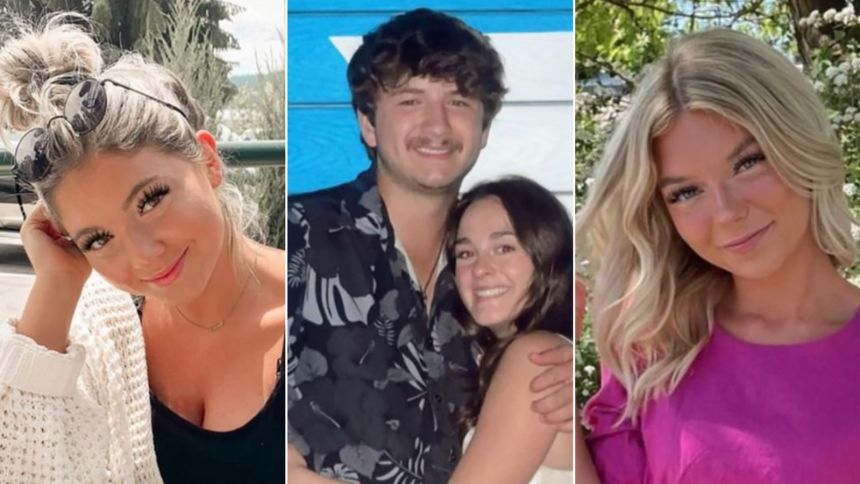
Kohberger, then a criminology Ph.D. student at nearby Washington State University, was arrested weeks after four University of Idaho students—Ethan Chapin, Kaylee Goncalves, Xana Kernodle, and Madison Mogen—were stabbed to death inside an off-campus home in Moscow, Idaho, in November 2022.
Investigators linked him to the crime through DNA recovered from a knife sheath left at the scene, cellphone records, surveillance footage, and other forensic evidence that prosecutors said placed him near the victims’ home.
Despite years of maintaining his innocence before trial, Kohberger ultimately admitted to the killings in court.
Whether a judge will now allow him to withdraw that confession remains one of the biggest legal questions surrounding the case.
For now, the filing has reopened painful wounds for the victims’ families—and raised the possibility that one of America’s most closely watched murder cases may not be over after all.