For years, Bryan Kohberger insisted he was innocent. Then, in a shocking courtroom reversal, he admitted under oath that he murdered four University of Idaho students, accepting a plea deal that spared him from the death penalty. Now, just over a year later, he’s trying to erase that confession—and legal experts say the odds are stacked heavily against him.
 Kohberger has filed a post-conviction petition asking the court to withdraw his guilty plea, claiming his attorneys misled him into accepting the deal. According to the filing, he argues he received ineffective legal representation, was pressured into pleading guilty, and was promised benefits that never materialized.
Among his allegations, Kohberger claims his lawyers failed to fully discuss evidence that he believes could support his innocence. He also alleges they assured him the guilty plea “didn’t need to be truthful” and promised privileges in prison—including greater freedom of movement, contact visits, and employment opportunities—that he says were never delivered.
In a statement provided through court filings, Kohberger insisted that his “actual innocence is my truth,” arguing that his guilty plea was based on “false promises” and “blatant disinformation.”
But legal experts say overturning a guilty plea after sentencing is one of the hardest legal challenges a defendant can face.
 As part of his plea agreement, Kohberger signed extensive court documents confirming that he understood exactly what he was doing. He acknowledged that he was pleading guilty voluntarily, admitted to every element of the crimes, and confirmed that he understood he might never be allowed to withdraw the plea later.
Perhaps the biggest obstacle came during the plea hearing itself.
When Judge Steven Hippler directly asked, “Are you pleading guilty because you are guilty?” Kohberger answered with a single word:
“Yes.”
That answer was given under oath in open court.
According to legal analysts, sworn statements like that carry enormous weight in later proceedings. Any attempt to reverse the plea now requires proving what Idaho law calls a “manifest injustice”—a much higher legal standard than simply changing one’s mind.
Instead of filing a traditional appeal, Kohberger is pursuing post-conviction relief because he waived most of his appeal rights when he accepted the plea agreement. That process allows him to argue ineffective assistance of counsel or claim his plea was involuntary, but the burden of proof now rests entirely on him.
To succeed, experts say he would need concrete, credible evidence showing his lawyers materially misled him or withheld critical information that would likely have changed his decision to plead guilty.
That won’t be easy.
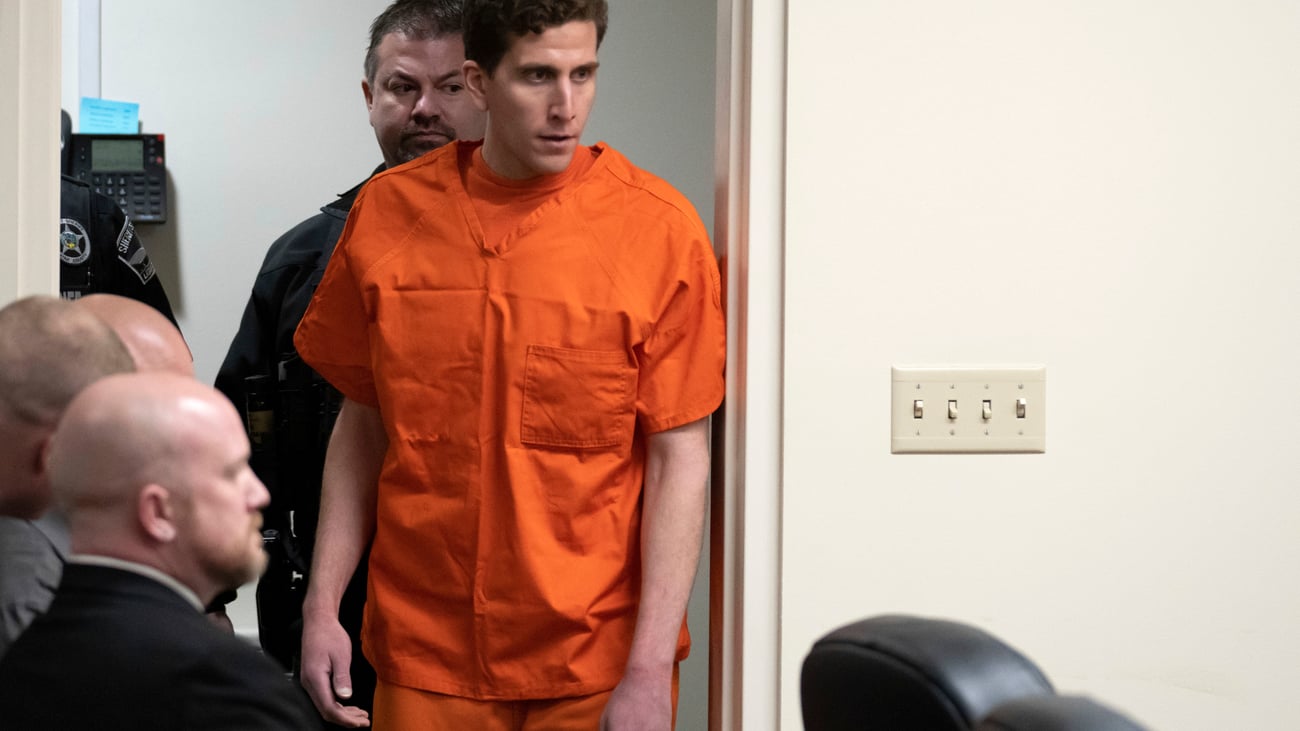 Legal scholars point out that Kohberger not only told the judge he was pleading voluntarily, but also confirmed he was satisfied with his attorneys’ representation. Overcoming those sworn statements requires exceptionally strong evidence that something fundamentally improper occurred behind the scenes.
Even if he argues his lawyers performed poorly, courts generally require proof that their mistakes were so serious they fell far below professional standards—and that he would have insisted on going to trial had he known the truth.
Experts say those claims rarely succeed.
Adding another hurdle, prosecutors would likely point to the extensive evidence investigators assembled before the plea agreement, including DNA recovered from a knife sheath, cellphone data, surveillance footage, and other evidence that formed the foundation of the original case.
For now, Kohberger’s request simply begins another legal battle rather than guaranteeing any new trial.
While the filing has generated renewed attention, legal experts overwhelmingly believe the chances of successfully withdrawing his guilty plea are extremely slim, especially after his own sworn admissions in court.
Whether the judge agrees to revisit one of the most closely watched murder cases in recent history remains to be seen, but one brief answer Kohberger gave in court may ultimately become the biggest obstacle standing between him and the fresh trial he now says he wants.