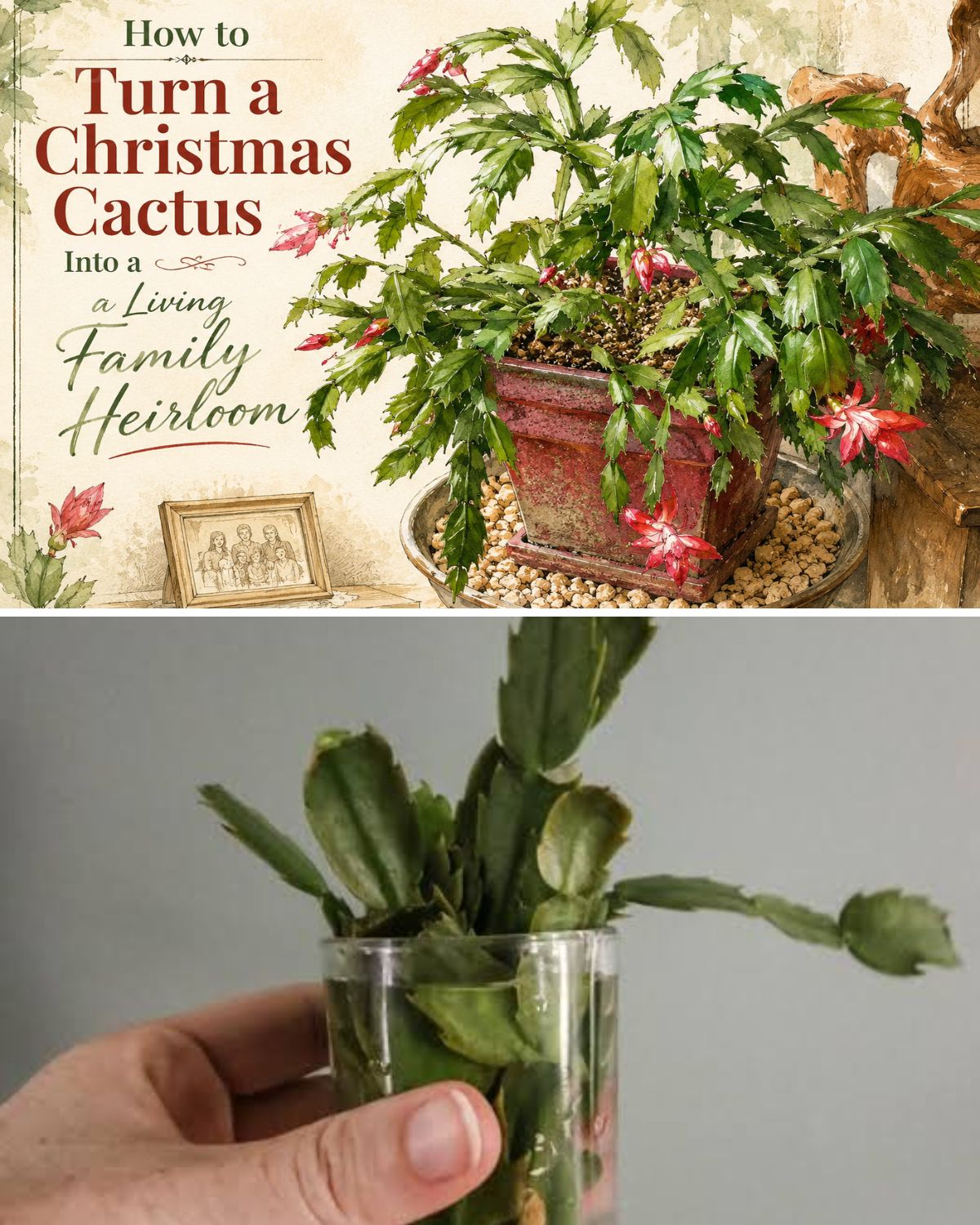
For many houseplant lovers, propagating plants is more than a hobby. It is a way of sharing something living with the people we love.
That is especially true with Christmas cactus.
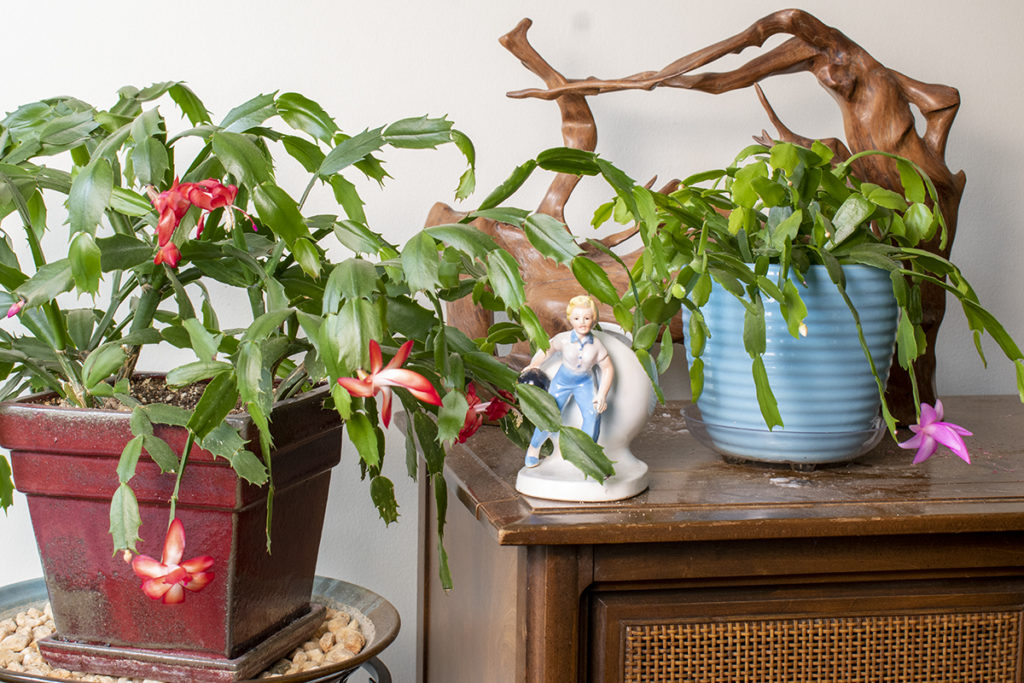
Unlike many ordinary houseplants, Christmas cactus cuttings often come with a story. A small segment may have been taken from a grandmother’s plant, passed from one home to another, and grown for decades as a living family heirloom. One plant becomes two, then three, then an entire chain of memories stretching across generations.
That is part of what makes holiday cacti so beloved.
Christmas cactus, Thanksgiving cactus and Easter cactus all belong to the Schlumbergera group. They are known for their segmented stems, bright seasonal blooms and surprisingly easy propagation. With the right technique, a few small cuttings can grow into a full, beautiful plant that blooms year after year.
The process is simple, but there are a few small secrets that make a big difference.
The first step is sanitation. Before taking any cutting from an established plant, clean your scissors with rubbing alcohol. It only takes a few seconds, but it helps prevent disease-causing microbes from being transferred to the parent plant or the new cutting.
Next, choose the right section.
Look for a healthy Y-shaped piece with at least three leaf segments. A larger piece gives you more material to work with and increases your chances of creating a fuller plant. Cut where two segments meet, because that joint is where the root nodes are located. After taking your main cutting, you can divide it into smaller pieces, making sure each section still has at least three segments.
Once the cuttings are prepared, resist the urge to plant them immediately.
Christmas cactus cuttings need time to callous. Let them sit for a couple of days in a dry place away from direct sunlight. This allows the cut ends to seal over. If you plant them while the cuts are still fresh, the exposed tissue is more likely to rot once it touches damp soil.
After the cuttings have calloused, it is time to prepare the pot.
Most houseplants are usually started in small pots and moved up gradually as they grow. Christmas cactus is a little different. These plants have delicate segments that break easily during repotting, and mature Schlumbergera plants prefer to be slightly rootbound. For that reason, it can be helpful to start cuttings in a 6- to 8-inch pot instead of a tiny starter pot.
That size gives the new plant enough room to establish itself without requiring frequent repotting later.
Use a well-draining potting mix. Although these plants are commonly called cacti, Schlumbergera are technically succulents, and they are sensitive to root rot. A succulent potting mix works well, but any light, well-draining indoor potting mix can be used.
Fill the pot to about an inch below the rim and moisten the soil. It should be damp, not soggy.
Now comes the secret to growing a full-looking Christmas cactus: plant several cuttings together.
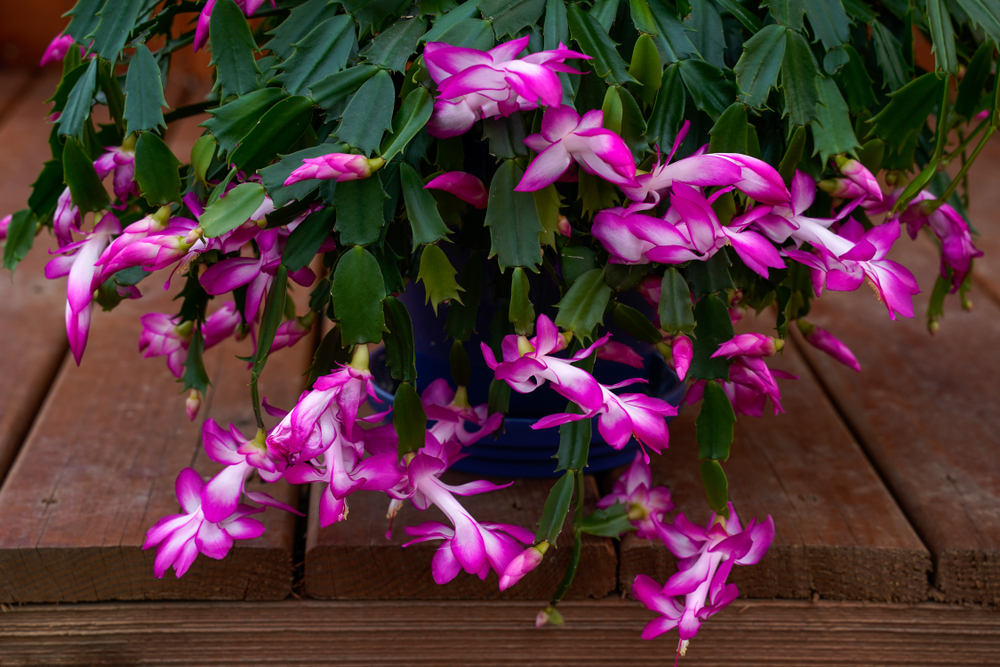
A single cutting placed in the middle of a pot will grow, but it can look thin and sparse for a long time. If you want a lush, bushy plant, place multiple cuttings close together in the same pot. This is the same reason many holiday cacti sold in stores look so full. They are often started with several cuttings grouped together.
Plant each cutting so the soil covers about half an inch above the lower node. That buried node is where new roots will form. Gently firm the soil around the cuttings so they stand upright, but do not pack it too tightly.
Place the pot somewhere with bright, indirect light.
For the first few days, the cuttings may look slightly wilted. That is normal. Do not panic and overwater. Wait until the top of the soil feels dry before watering again. Once roots begin to develop, continue watering the same way: allow the top layer to dry, then water lightly.
After about a month, you should begin to see new growth. Fresh segments may appear with reddish edges before maturing to green. That is a good sign that the cuttings have rooted and started growing.
:max_bytes(150000):strip_icc()/GettyImages-1395079904-5f7c5b372d4c489bb563f84609988839.jpg)
With patience, those small pieces will turn into a fuller plant capable of producing beautiful holiday blooms.
Some plant lovers also like to propagate Christmas cactus in water, and it can be done. To use this method, place the lower node of a cutting with at least three segments into a small container of water. Keep the jar in bright, indirect light and wait for roots to appear.
Roots usually develop within four to six weeks.
However, soil propagation is often the better method for Christmas cactus. These plants are delicate, and moving rooted cuttings from water into soil can cause breakage. Planting directly in soil means less handling, less stress and fewer broken segments.
If you do propagate in water, make sure the cutting has calloused properly first. Without that dry, sealed end, the cutting may rot before roots can form.
Whether you propagate in soil or water, the result is worth it. Christmas cactus is one of the easiest and most meaningful houseplants to share. A single plant can become a gift, a memory and a tradition.
That small cutting on your windowsill may not look like much at first.
But give it light, patience and a little care, and one day it may become the plant your children, grandchildren or friends take cuttings from too.
That is the quiet beauty of Christmas cactus.
It does not just grow.
It gets passed on.

:max_bytes(150000):strip_icc():focal(749x0:751x2)/marshals-garrett-andrea-052826-696c0732bda04eda844912c4184c024e.jpg)