Remember When F1 Commentators Actually Roasted Drivers? Fans Are Begging for That Energy Back
If you tuned into a Grand Prix broadcast today, would you ever hear a commentator call a driver an “idiot” on live television? Probably not. But back in 1990, that’s exactly what James Hunt did when Andrea de Cesaris nearly took out race leader Nigel Mansell at Imola.
Hunt didn’t stop there. He went on to call de Cesaris’ continued presence in the sport “a disgrace,” saying the driver was ruining races for everyone watching. That kind of unfiltered commentary is something F1 fans say they desperately miss in the current era of carefully measured broadcasting.
The shift didn’t happen overnight. Another legendary voice, Martin Brundle, once teamed up with Murray Walker to question whether a driver even belonged in Formula 1. During the 1998 Monaco Grand Prix, the camera caught Ricardo Rosset’s Tyrrell pointing the wrong way before crashing into a barrier.
Walker said people were debating if Rosset was F1 material. Brundle’s reply? Deadpan: “Well, that’s a fairly short debate, Murray.”
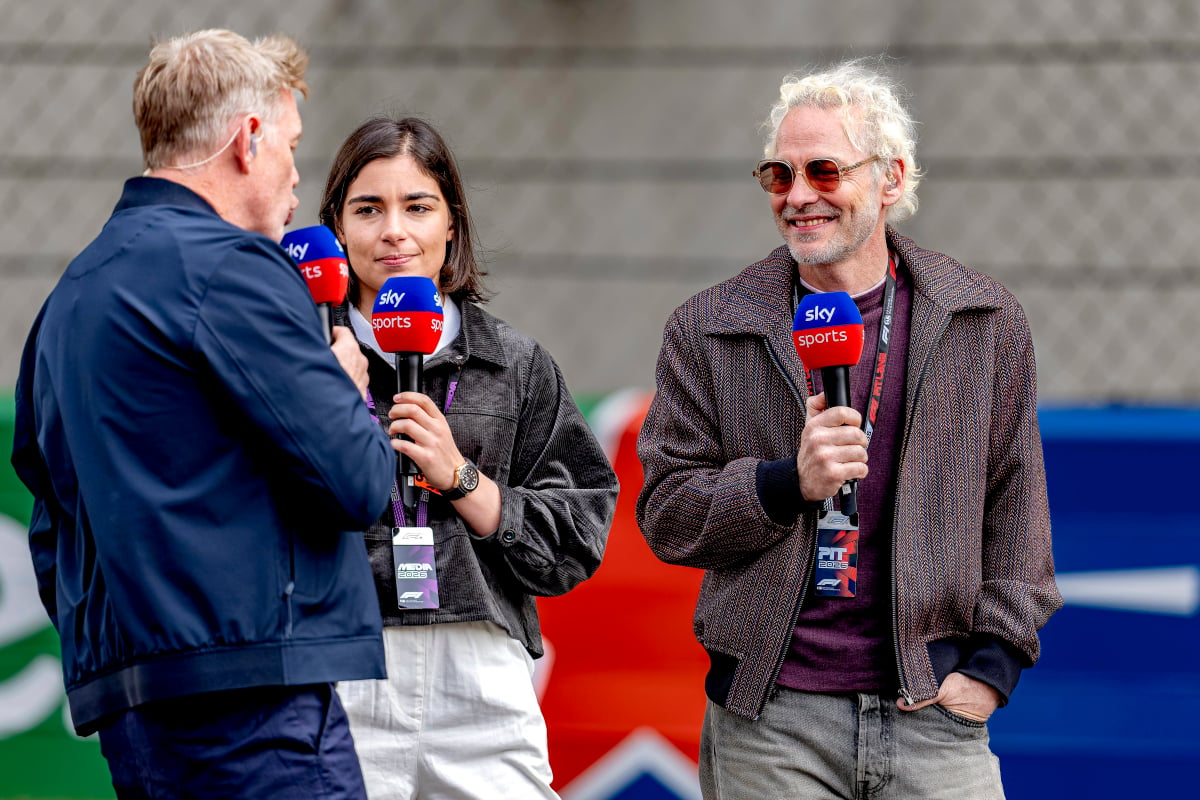
Fast-forward nearly three decades, and the vibe is completely different. According to many fans, today’s commentators and analysts are so worried about maintaining relationships with teams, drivers, and F1 management that they’ve traded honest opinions for diplomatic word salads. Sky Sports and F1TV rely heavily on access to the paddock, sources suggest, so no one wants to risk upsetting a team and losing a driver interview or a feature segment.
The result? Criticism, when it happens, is soft. Safe.
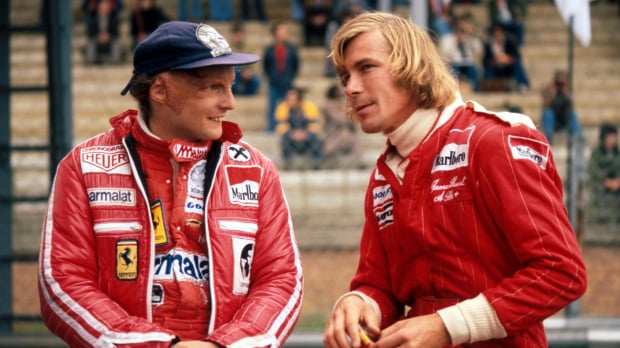 Measured. It keeps the broadcast partners happy, but it also makes for some pretty boring television. Hunt’s famous put-downs—including calling Jean-Pierre Jarier’s talent equivalent to a paving slab—would never air today without an immediate apology or a disclaimer.
That doesn’t mean commentary has to be mean. But fans argue that when every driver gets treated like a golden child, praise loses its meaning. If broadcasters let their announcers get a little feisty just once or twice a season—drop the filter, say something real—those nice moments would actually carry weight again.
So here’s the question F1 fans are asking: Will we ever hear that raw, unfiltered energy again, or is polite commentary the new permanent pit wall?