Before she became Lady Gaga, she was Stefani Germanotta — a young girl with a big voice, a restless imagination and a painful sense that she did not fit in.
Today, the world knows her as one of the most fearless performers of her generation. She has won Grammys, an Oscar, Golden Globes and the admiration of millions. She has built an image around shock, glamour, reinvention and emotional honesty. But behind the fame, the fashion and the stage persona is a story marked by bullying, trauma and survival.
Gaga has spoken openly about being bullied when she was young. In interviews, she described growing up creative and different, often feeling judged by classmates who did not understand her. She has said she was mocked in school and that those early wounds stayed with her long after she became famous.

That pain later found its way into her art.
In A Star Is Born, Gaga’s character Ally is insecure about her appearance, especially her nose. For many viewers, that detail felt personal. The film’s emotional power came not only from its music, but from the way Gaga seemed to understand the ache of being told you are not beautiful enough, not normal enough, not acceptable enough to be seen. Vanity Fair reported that the 2018 film included personal elements from Gaga’s own background and experience, helping make Ally feel unusually authentic.
But bullying was not the only darkness Gaga had to survive.
She later revealed that she was sexually assaulted by a music producer when she was 19 years old. The trauma affected her for years and contributed to the mental health struggles she has discussed publicly, including post-traumatic stress disorder. Time reported that Gaga first spoke about the assault during a Howard Stern interview in 2014, saying the experience left her deeply damaged and took years to process.
In 2021, Gaga spoke again about the assault in Oprah Winfrey and Prince Harry’s Apple TV+ series The Me You Can’t See. She described the lasting psychological impact of what happened and the way trauma can remain inside the body long after the event itself is over. Consequence reported that Gaga connected the assault to years of PTSD and emotional pain.
One of the most powerful artistic responses to that pain was “Til It Happens to You,” the song Gaga performed for the documentary The Hunting Ground, which focused on campus sexual assault. The song, written by Diane Warren and performed by Gaga, was nominated for both an Academy Award and a Grammy. PEOPLE reported that Warren chose Gaga for the song after learning that she had experienced similar trauma, and that Gaga was moved to tears when she heard it.
That song became more than a performance.
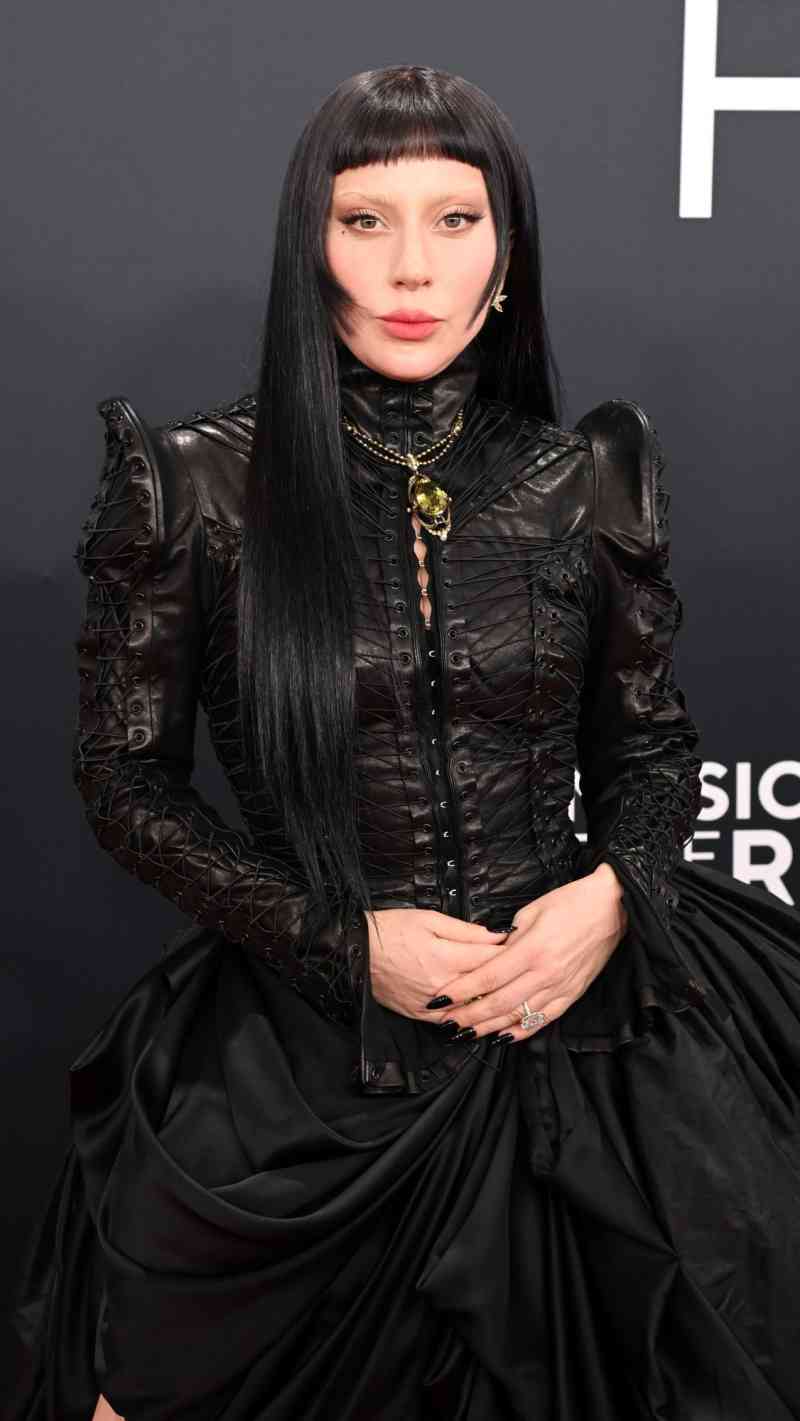
It became a statement.
Gaga was no longer only entertaining people. She was speaking for survivors who had been silenced, doubted or made to feel ashamed. Her voice carried the weight of someone who knew what it meant to live through something devastating and still stand on a stage.
That is one reason Lady Gaga’s early career looked so unusual to many people.
The costumes, the masks, the theatrical performances, the strange beauty and deliberate shock were not random. They were part of a larger artistic language. Gaga used exaggeration to take control of the way people looked at her. If the world had once mocked her for being different, she turned difference into a weapon. If people had tried to shame her, she transformed shame into spectacle.
The girl who had been bullied became the woman who could not be ignored.
Her art gave power to outsiders, misfits and people who felt too strange for the world around them. Songs like “Born This Way” turned self-acceptance into an anthem. Her message reached especially deep among young people, LGBTQ+ fans, survivors of bullying and anyone who had ever felt rejected.
That mission later became institutional as well as musical. Gaga and her mother, Cynthia Germanotta, co-founded the Born This Way Foundation, an organization dedicated to supporting youth mental health and building a kinder, braver world. The foundation says its mission is to empower young people and support their mental health and wellbeing. Johns Hopkins has also highlighted the foundation’s work in youth mental health, kindness and community-centered programs since its founding in 2012.
That evolution is what makes Gaga’s story so powerful.
She did not simply survive fame.
She survived before fame.
She survived being bullied.
She survived sexual violence.
She survived shame, fear, trauma and the pressure of becoming famous while carrying wounds the public could not see.
And instead of allowing those wounds to destroy her, she turned them into music, performance, advocacy and connection.
That does not mean the pain disappeared. Gaga has been honest that healing is not simple. Trauma does not vanish just because someone becomes successful. Fame does not erase memory. Awards do not undo what happened.
But Gaga’s life shows that pain can be transformed.
The same girl who was once mocked for being different became one of the most influential artists in the world. The same woman who once felt ashamed after sexual assault later stood on some of the biggest stages in the world and gave survivors a song that said: I believe you. I understand. You are not alone.
That is the real power behind Lady Gaga’s image.
The wild fashion was never just fashion.
The theatricality was never just spectacle.
The voice was never just entertainment.
Behind it all was a woman fighting to reclaim herself.
And perhaps that is why millions of fans still see themselves in her. Lady Gaga’s story is not the story of a perfect superstar. It is the story of a wounded person who refused to let the world decide what her wounds meant.
She turned bullying into defiance.
She turned trauma into advocacy.
She turned pain into art.
And in doing so, she became more than a pop star.

She became proof that the people the world tries to break can still rise — louder, stranger, stronger and more unforgettable than ever.