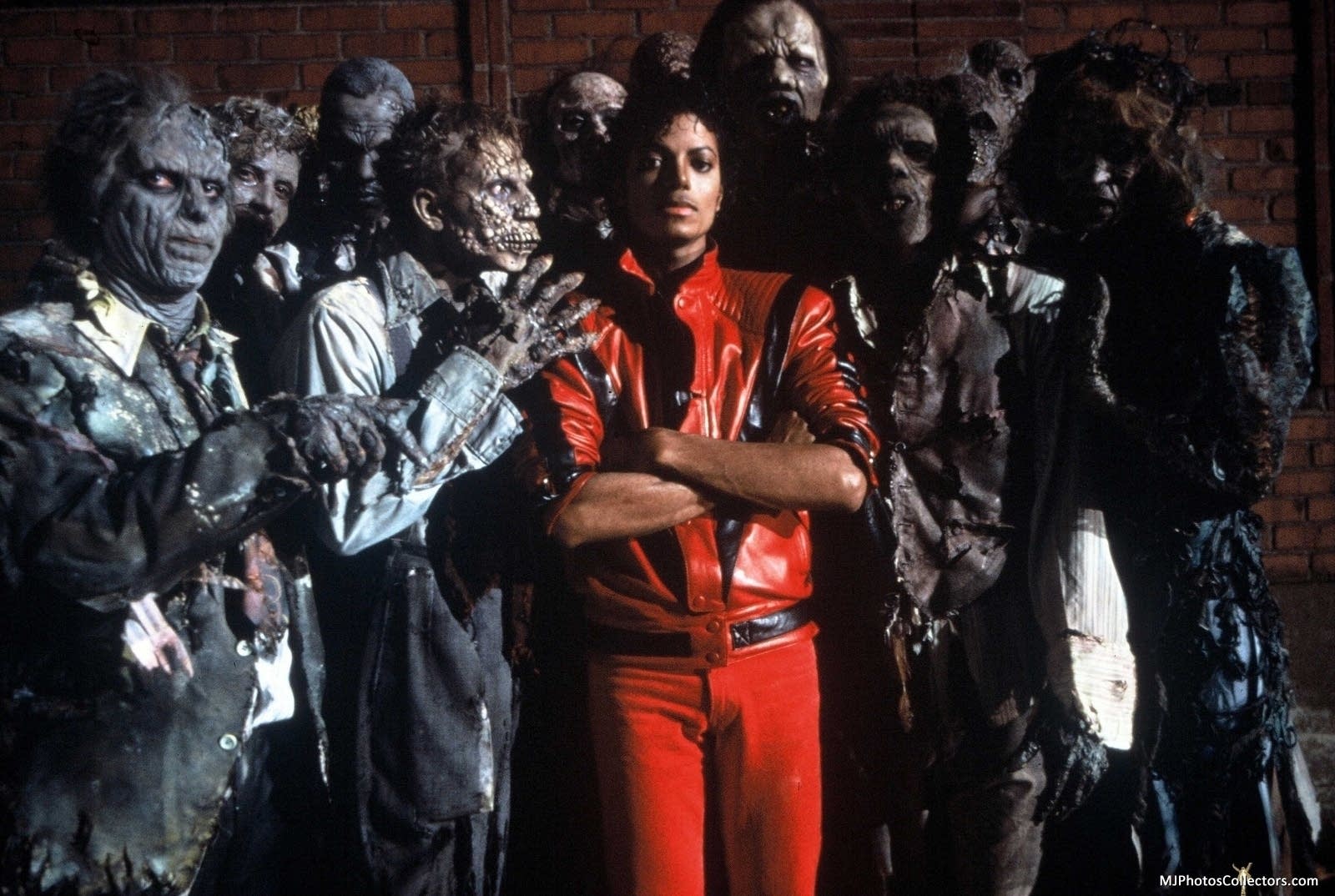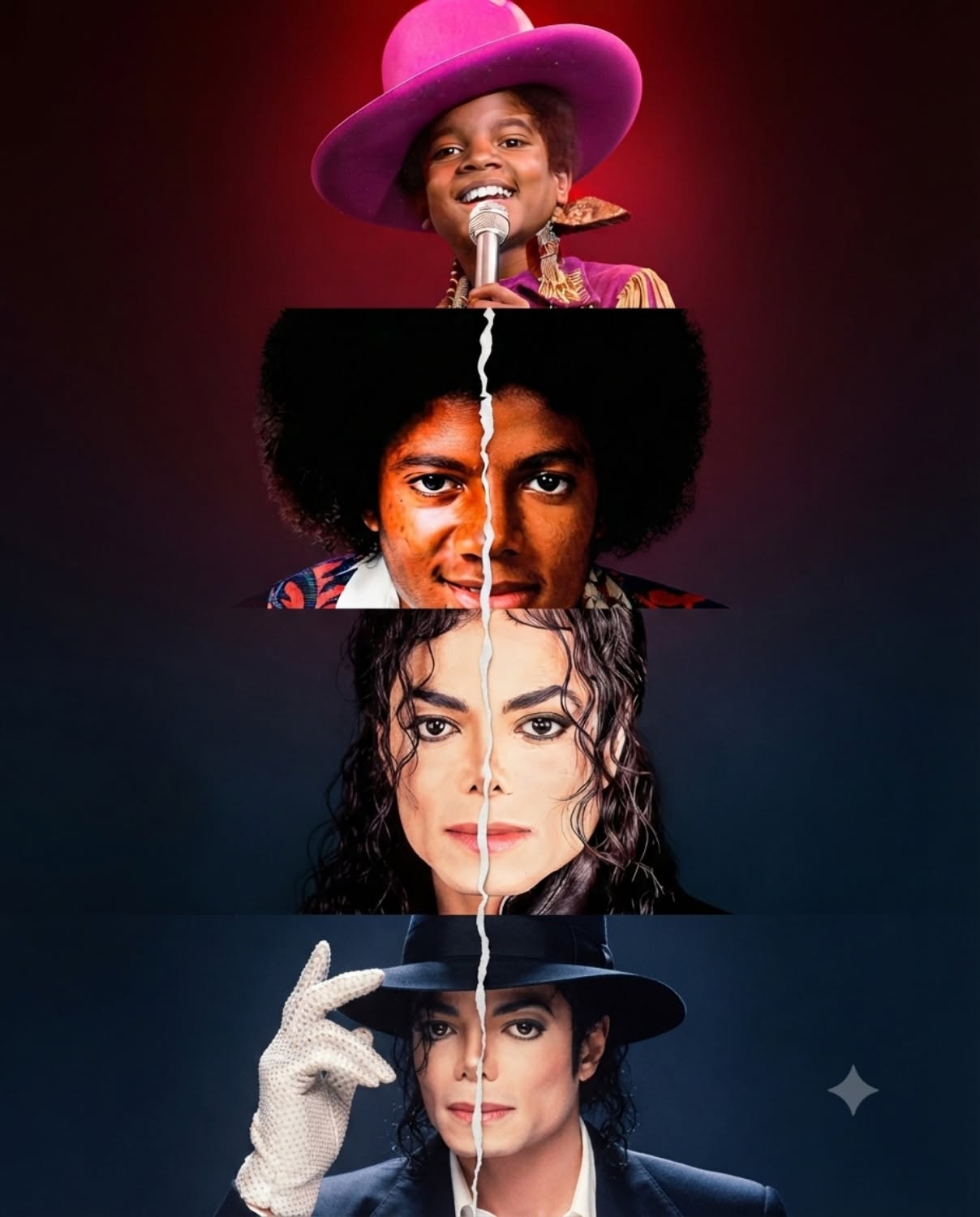
When Michael Jackson died on June 25, 2009, the world did not lose only a pop star.
It lost one of the most famous human beings on Earth.

Within hours, the news had traveled across the globe. Fans gathered outside hospitals, music stores, theaters and landmarks. Radio stations played his songs nonstop. Television networks replayed the Moonwalk, Thriller, Billie Jean, Beat It and the moments that had turned a boy from Gary, Indiana into the King of Pop.
But amid the shock, one small voice cut through the noise more powerfully than any headline.
At Michael Jackson’s public memorial service, his daughter Paris stood in front of the world and broke down in tears.
“I just want to say, ever since I was born, Daddy has been the best father you could ever imagine,” she said, before telling him she loved him “so much.” The moment became one of the most heartbreaking images from the memorial, because it stripped away everything the public had built around Michael Jackson and left only the simplest truth: he was a father, and his children had lost him.
That was the moment many people stopped seeing only the icon.
They saw the human being.
Michael Jackson died at age 50 in Los Angeles, less than three weeks before he was scheduled to begin his This Is It concert residency in London. The cause of death was later determined to be acute propofol intoxication, with benzodiazepines also contributing. The Los Angeles County medical examiner ruled the death a homicide.
The question that followed was unavoidable: how did one of the most famous entertainers in history die inside a rented mansion while under the care of a personal physician?
The answer led to the trial of Dr. Conrad Murray.
Murray, who had been hired as Jackson’s personal doctor during preparations for This Is It, was charged with involuntary manslaughter. Prosecutors argued that misplaced trust in Murray’s hands cost Jackson his life. The trial began in September 2011 and was televised, turning Jackson’s final hours into a legal drama watched around the world.
At the center of the case was propofol, a powerful anesthetic normally used in medical settings, not as a routine sleep aid in a private bedroom. Testimony showed that Jackson had struggled with severe insomnia while rehearsing for his comeback shows, and that Murray had been giving him medications to help him sleep. Prosecutors said Murray acted with gross negligence and failed to provide proper monitoring.
The defense argued that Jackson may have administered the fatal dose himself while Murray was out of the room. But medical testimony challenged that theory. The case exposed a disturbing picture of celebrity medicine, pressure, exhaustion and a dangerous attempt to treat sleeplessness with hospital-grade drugs outside a hospital.
After about six weeks of testimony, a jury found Conrad Murray guilty of involuntary manslaughter on November 7, 2011. He was sentenced to four years in prison, though he was released in 2013 after serving less than two years because of overcrowding and good behavior.
The judge in the case was harsh in his assessment. Murray’s medical license was suspended in California, and he became permanently tied to the death of one of the most important entertainers of the 20th century.
But the trial was not the only shocking part of Jackson’s final chapter.
Years later, court documents revealed that Michael Jackson was more than $500 million in debt when he died. The Guardian reported in 2024 that estate filings showed Jackson’s finances were under severe pressure, with major debts and creditor claims facing his estate after his death.
That number stunned many people because Jackson had been one of the highest-earning artists in history. He had sold hundreds of millions of records, owned valuable music assets and built a career that changed entertainment forever. Yet the documents showed how complicated his financial life had become by 2009.
At the same time, Jackson was preparing for This Is It, a series of concerts meant to restore his performing career and stabilize his finances. The London shows were sold out, and the world was waiting to see whether Michael Jackson could once again command the stage the way he had in his prime.
He never got that chance.
The comeback became a goodbye.
After his death, rehearsal footage from This Is It showed Jackson still working, still directing, still shaping the smallest details of the show. Fans saw a man who looked fragile at times but remained intensely focused on the craft that had defined his life. The footage deepened the tragedy because it showed how close he had been to returning to the stage.
But for his children, none of that mattered as much as losing their father.
Prince, Paris and Bigi — then known publicly as Blanket — were still children when Jackson died. They were not thinking about debts, estate filings, media battles or legal arguments. They were grieving the man who raised them.
That is why Paris’ memorial speech still resonates so deeply.
It interrupted the global spectacle of Michael Jackson’s death.
It reminded everyone that behind the headlines was a family.
The public had spent decades debating Jackson’s face, his voice, his behavior, his finances, his scandals, his genius and his mysteries. But Paris spoke about something far more intimate. She spoke about the father she knew from inside the home, not the superstar the world had watched from a distance.
In recent years, Paris has spoken about keeping her relationship with her father private, saying that the bond belongs to her and is not something she must perform for the public. PEOPLE reported in 2026 that she described her relationship with Michael as deeply personal and said it was “no one’s business,” while also calling it beautiful.
That perspective makes her memorial words even more powerful.
As a child, she shared her grief with the world in one unforgettable moment. As an adult, she has chosen to protect the parts of that relationship that still belong only to her.
Michael Jackson’s death will always be remembered through many lenses.
The medical failure.
The propofol.
The trial.
The debt.
The lost comeback.
The shock felt by millions of fans.
But none of those facts erase the truth Paris Jackson gave the world through tears.
Before he was a case file, he was her father.
Before he was a debtor, he was her father.
Before he was the King of Pop, he was her father.
And maybe that is why the memorial moment has lasted longer than so many of the headlines that followed.
Because in a life surrounded by spectacle, controversy and myth, Paris Jackson said the one thing no courtroom, tabloid or financial document could fully capture.
Michael Jackson was loved.
Not as an icon.
Not as a brand.
Not as a legend.
As Dad.

:max_bytes(150000):strip_icc():focal(999x0:1001x2):format(webp)/colts-neck-fire-tout-2000-3090394713cc4a38b48ba3651f32cf16.jpg)