Ferrari’s latest engineering move is sending shockwaves through the Formula 1 community. With the announcement of the second ADO token, the iconic racing team is not just upgrading their turbocharger; they’re rethinking their entire approach to performance, aiming to close the gap with rivals Mercedes in a way that could redefine the championship landscape.
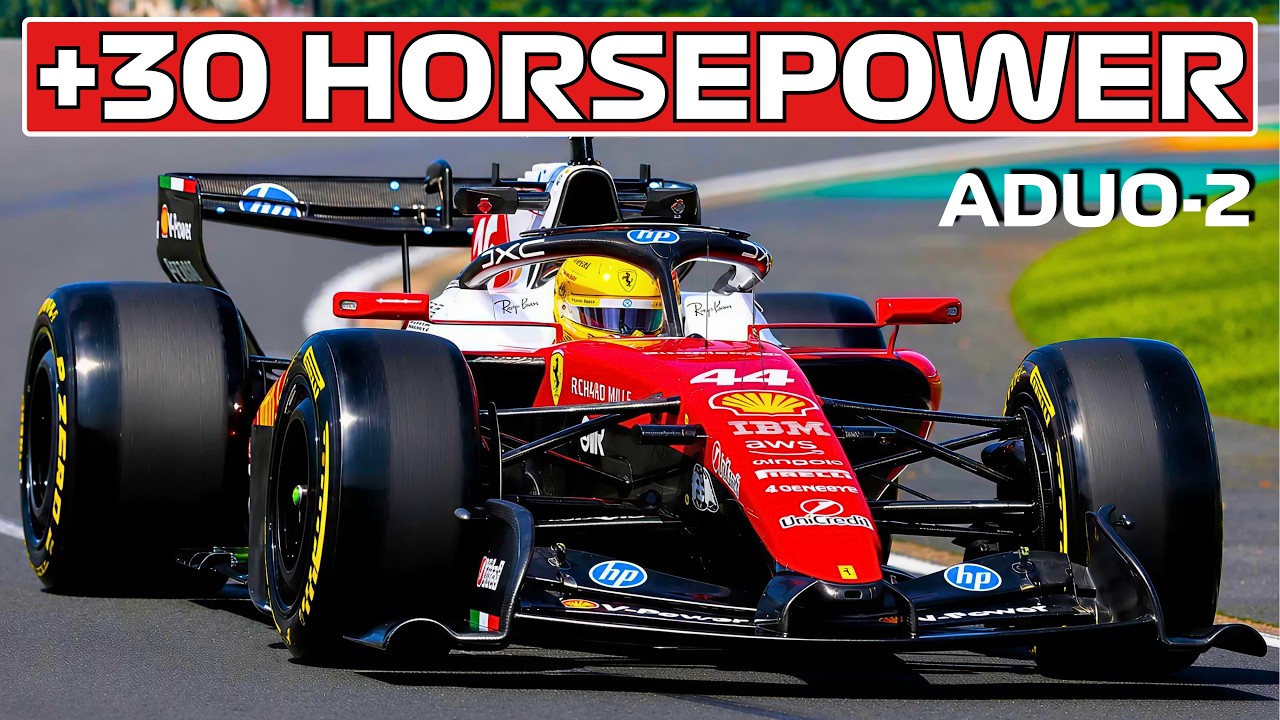 Before the 2026 season kicked off, Ferrari made a bold choice regarding the turbocharger for their SF26. They opted for a smaller unit, believing it would offer quicker spool-up times without the electric assistance of the MGUH, which was eliminated under new regulations. This decision was based on a solid technical foundation: a smaller turbo would provide faster acceleration, crucial for standing starts and restarts. However, just three races into the season, the FIA implemented a five-second pre-start procedure that leveled the playing field, effectively nullifying the advantage Ferrari had hoped to gain.
As the season progressed, Ferrari found themselves grappling with the consequences of this choice. The turbocharger’s smaller size meant they faced a straight-line speed deficit, which became painfully apparent in the first nine races of 2026. Now, with the second ADO token on the horizon, Ferrari is not only introducing a new turbocharger but is also revisiting the core philosophy behind its design. This includes adjustments to blade count, angle, and materials, aiming for a power output that can rival Mercedes.
 The timeline for this upgrade is set for either the Dutch Grand Prix at Zandvoort or the iconic Monza race. The implications are massive, as every team will be closely monitoring Ferrari’s performance in the speed traps at these critical circuits. The first ADO token focused on enhancing the combustion chamber, pushing the limits of heat and pressure to maximize fuel efficiency. While it showed promise at Silverstone, the challenges faced in Austria revealed that the turbocharger’s limitations still needed addressing.
Ferrari’s engineers have confirmed that the second ADO token will not simply involve a larger turbocharger. Instead, they are making precision adjustments to blade geometry and materials, which can significantly enhance efficiency without altering the turbo’s size. This nuanced approach could allow for higher rotational speeds and better airflow, ultimately leading to a more powerful engine without the complications of a complete redesign.
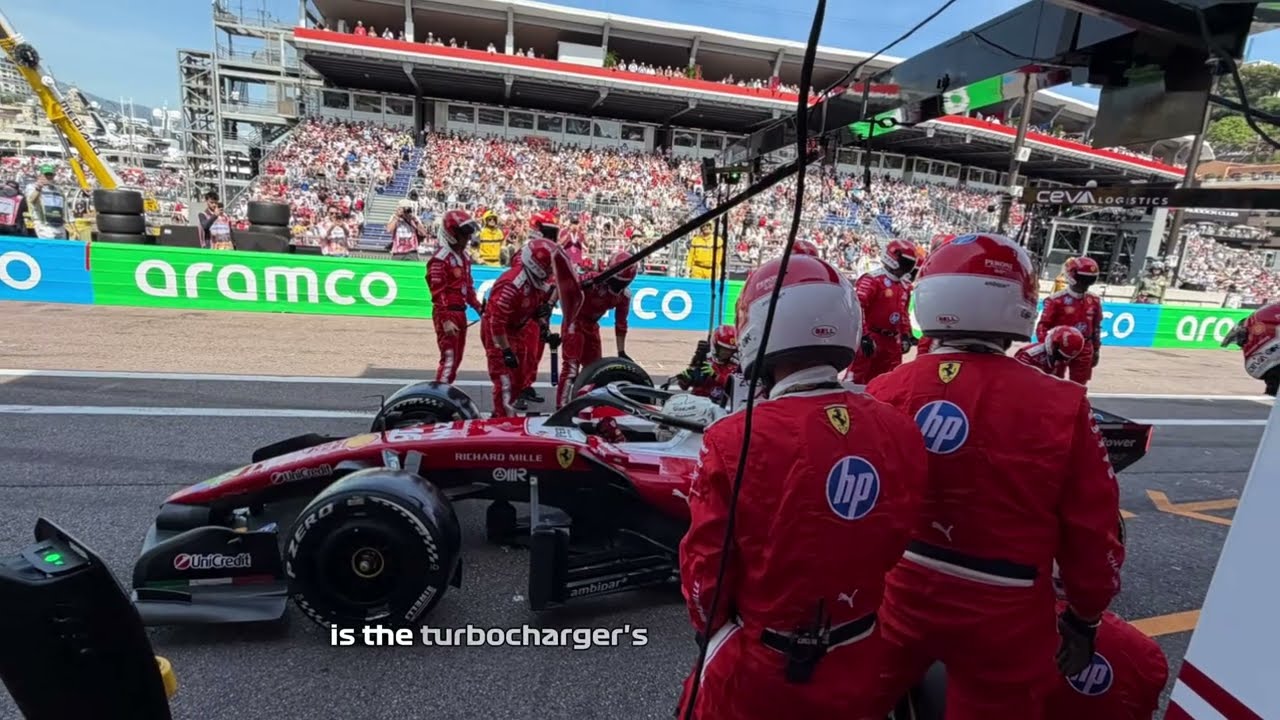
However, the possibility of transitioning to a larger turbocharger remains on the table. This decision is still under evaluation, weighing the potential performance gains against the engineering challenges and costs associated with such a change. If they can successfully navigate these hurdles, Ferrari could arrive at Zandvoort or Monza with a turbocharger that not only improves efficiency but also expands their peak airflow capacity, fundamentally altering their competitive stance.
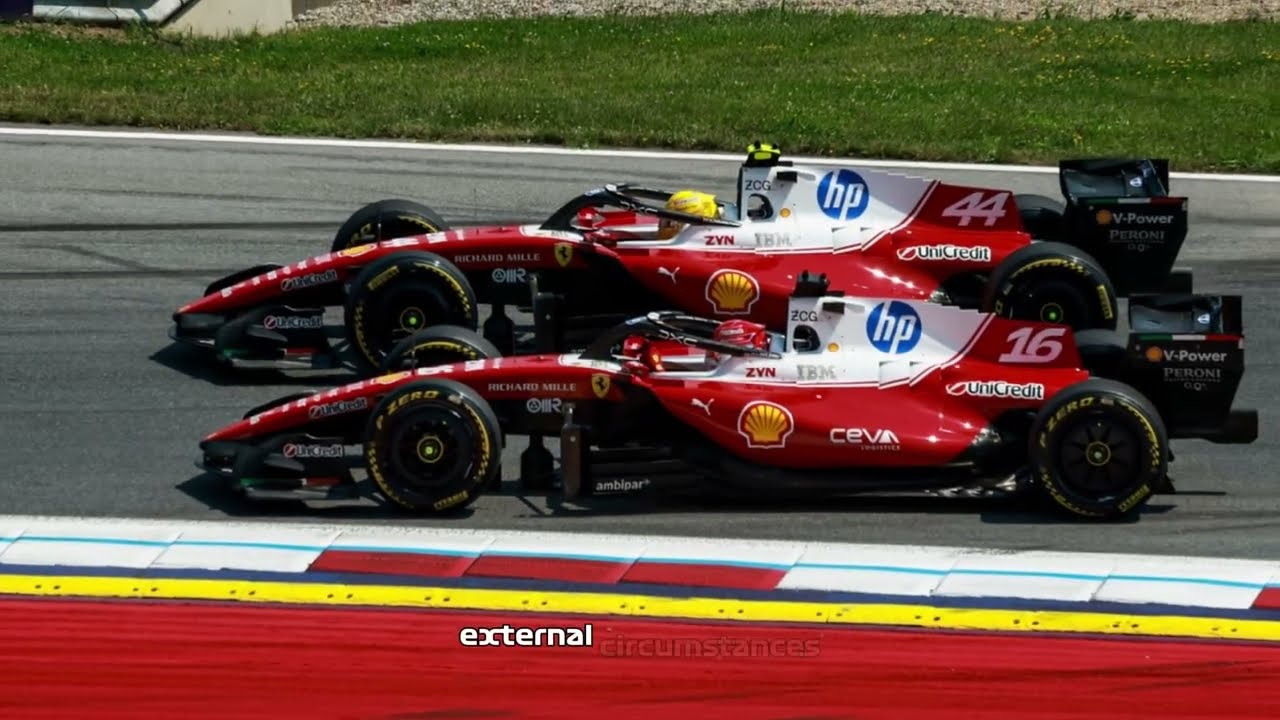 As the season unfolds, the stakes are higher than ever. Ferrari has already demonstrated that their chassis can outperform Mercedes in corners, but the remaining gap in straight-line speed could be bridged with this turbo upgrade. The second ADO token represents a pivotal moment, arriving at a time when Ferrari’s overall package is already showing signs of strength.
With the championship race heating up, the timing of this turbocharger enhancement could be a game-changer for Ferrari. The difference between a car that relies on luck and one that can genuinely compete on equal footing with Mercedes may hinge on this upgrade. As the countdown to the next race begins, fans are left wondering: will Ferrari’s bold gamble pay off, or will they face more challenges ahead?