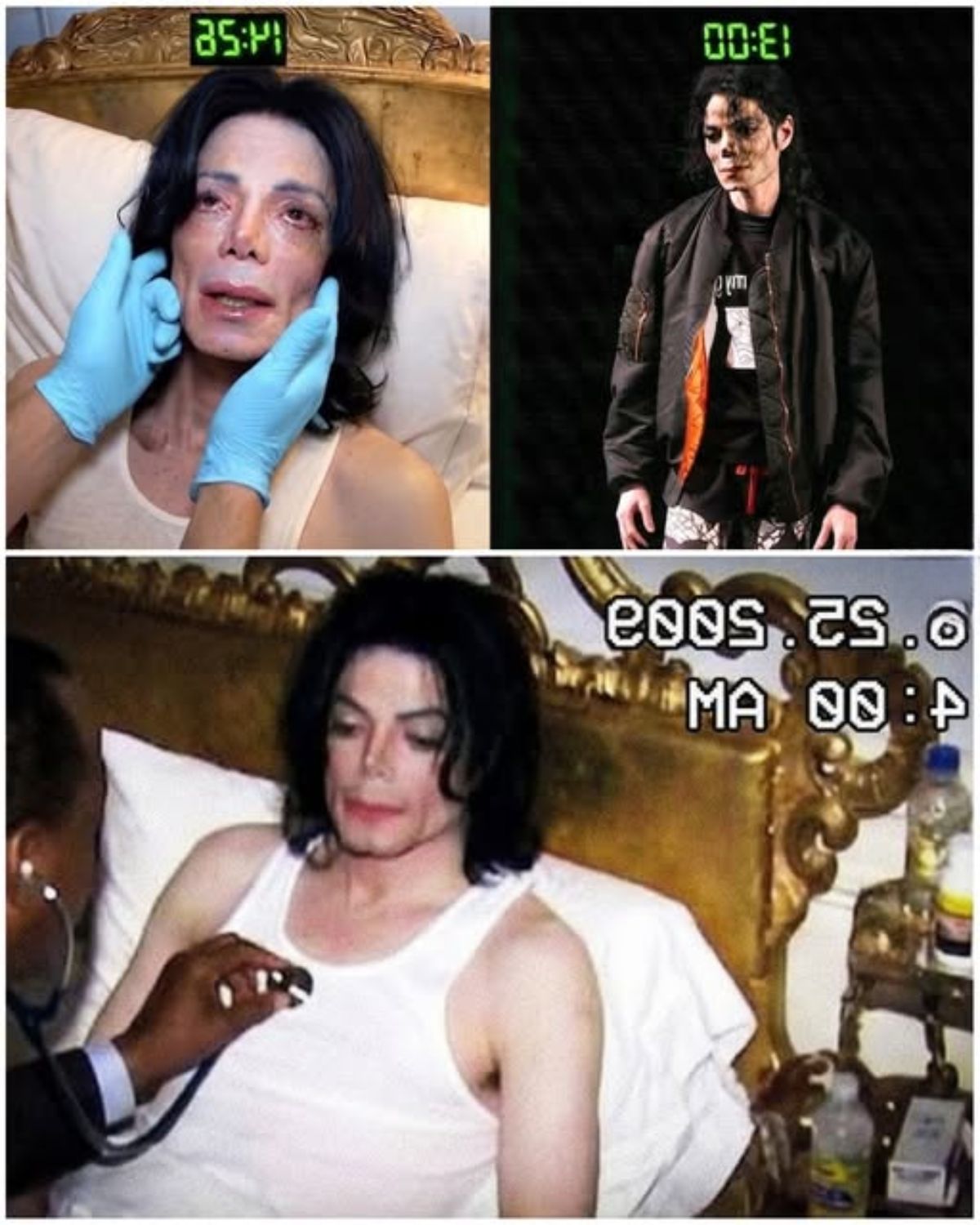
On the night of June 24, 2009, Michael Jackson walked off the stage at the Staples Center in Los Angeles after what witnesses described as a strong rehearsal for his planned This Is It comeback concerts.
He was smiling. He was moving. He was preparing to return to the world stage.
Hours later, he would be gone.
That sharp contrast — the energy of his final rehearsal and the chaos of his final morning — remains one of the most haunting chapters in modern music history. Jackson, one of the most famous performers who ever lived, was weeks away from launching a major comeback in London. Instead, his final night became a devastating story of insomnia, powerful sedatives, medical failure and a 911 call that came far too late.
Jackson died on June 25, 2009, at age 50. His death was later ruled a homicide caused by acute propofol intoxication, with other sedatives also involved. His personal physician, Dr. Conrad Murray, was convicted of involuntary manslaughter in 2011.
But before the emergency, before the hospital, before the global shock, there was the rehearsal.
Jackson had been preparing for This Is It, a concert residency meant to reintroduce him as the greatest live entertainer on earth. For fans, the tour promised more than music. It promised a comeback, a public victory and one more chance to see the King of Pop command the stage.
According to reports and trial evidence later discussed in detail, Jackson rehearsed on the evening of June 24 and returned home afterward unable to sleep. That inability to rest had become a serious problem. He suffered from chronic insomnia and had been under Murray’s care while preparing for the physically demanding shows.
What followed inside Jackson’s home was not a peaceful night before a major performance. It was a desperate medical spiral.
Murray later said he gave Jackson a series of sedatives through the night in an effort to help him sleep. When those drugs failed, Jackson asked for propofol, the powerful anesthetic he reportedly called “milk” because of its white appearance. Propofol is normally used in medical settings with careful monitoring, not as a routine sleep aid in a private bedroom.
According to accounts from the case, Murray eventually administered a dose of propofol on the morning of June 25. Jackson fell asleep, but he never woke up.
The tragedy deepened because of what happened next. Emergency services were not called immediately. Reports based on the case have stated that more than an hour passed before 911 was contacted. By the time paramedics arrived, the battle to save Jackson had already become desperate.
The 911 call, later made public, captured the panic of those final moments. Behind the headlines and legal arguments was a heartbreaking reality: the man who once sang “Heal the World” was dying inside his own home as the world outside had no idea anything was wrong.
The case that followed exposed disturbing details about celebrity medicine, private doctors and the dangerous pressure surrounding major comeback performances. Prosecutors argued that Murray had violated medical standards and failed to properly monitor Jackson. The defense claimed Jackson may have self-administered the fatal dose. A jury ultimately found Murray guilty of involuntary manslaughter.
For fans, the facts remain painful because the ending felt so close to a new beginning.
Jackson’s final rehearsal was not remembered as a collapse. It was remembered as a moment of hope. He was preparing to perform again. He was still chasing perfection. He was still trying to give audiences the kind of magic that had defined his career.
That is what makes the final hours so devastating.
The King of Pop did not leave the stage defeated. He left it after one last rehearsal, with the world waiting for his return. Then, behind closed doors, the struggle for sleep became fatal.
More than a decade later, Michael Jackson’s final night still feels almost impossible to process. It was not just the death of a superstar. It was the collapse of a comeback, the loss of a father and the end of a musical life that had shaped generations.
His last rehearsal ended in cheers.
His final hours ended in silence.
And the world has never stopped asking how a night filled with promise could become one of music’s greatest tragedies.