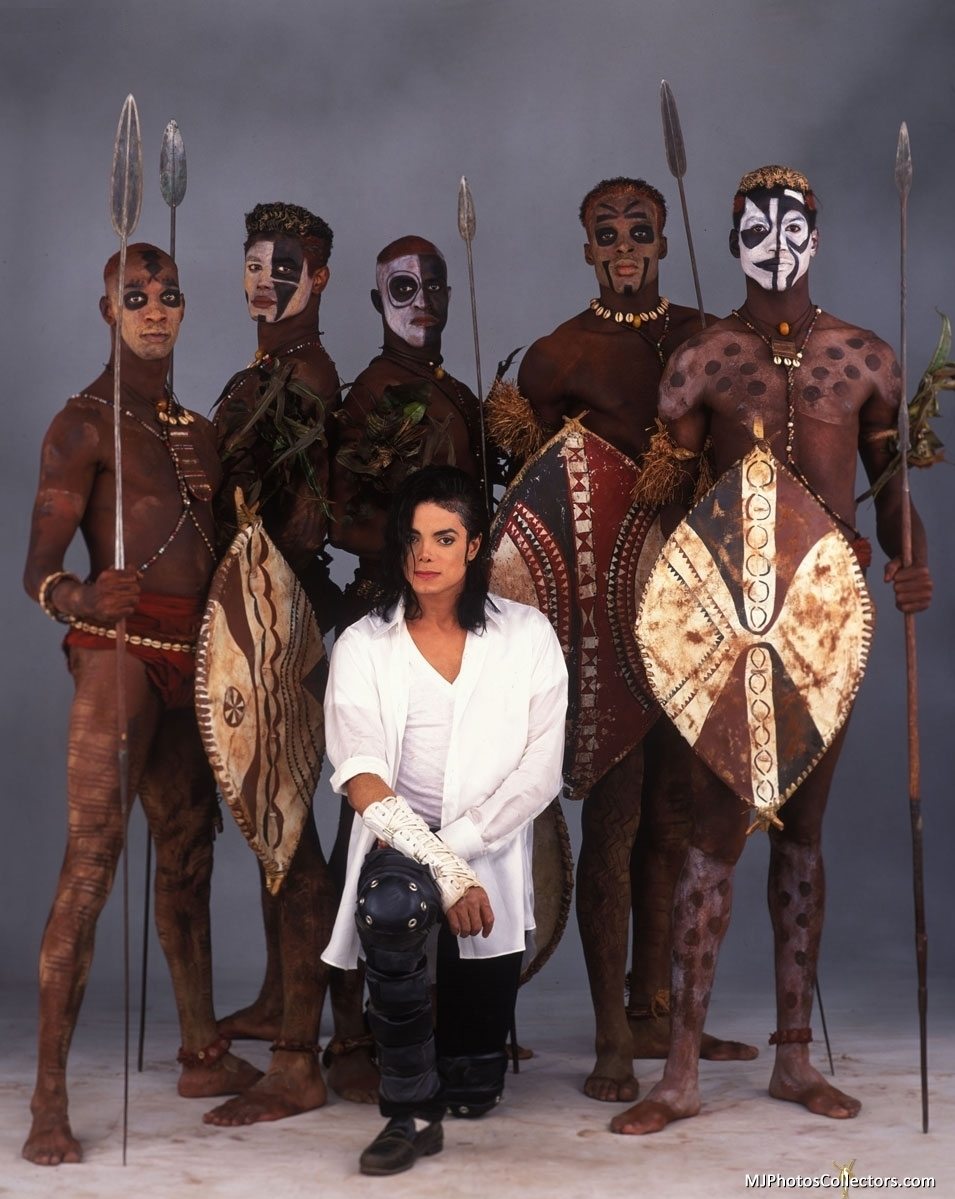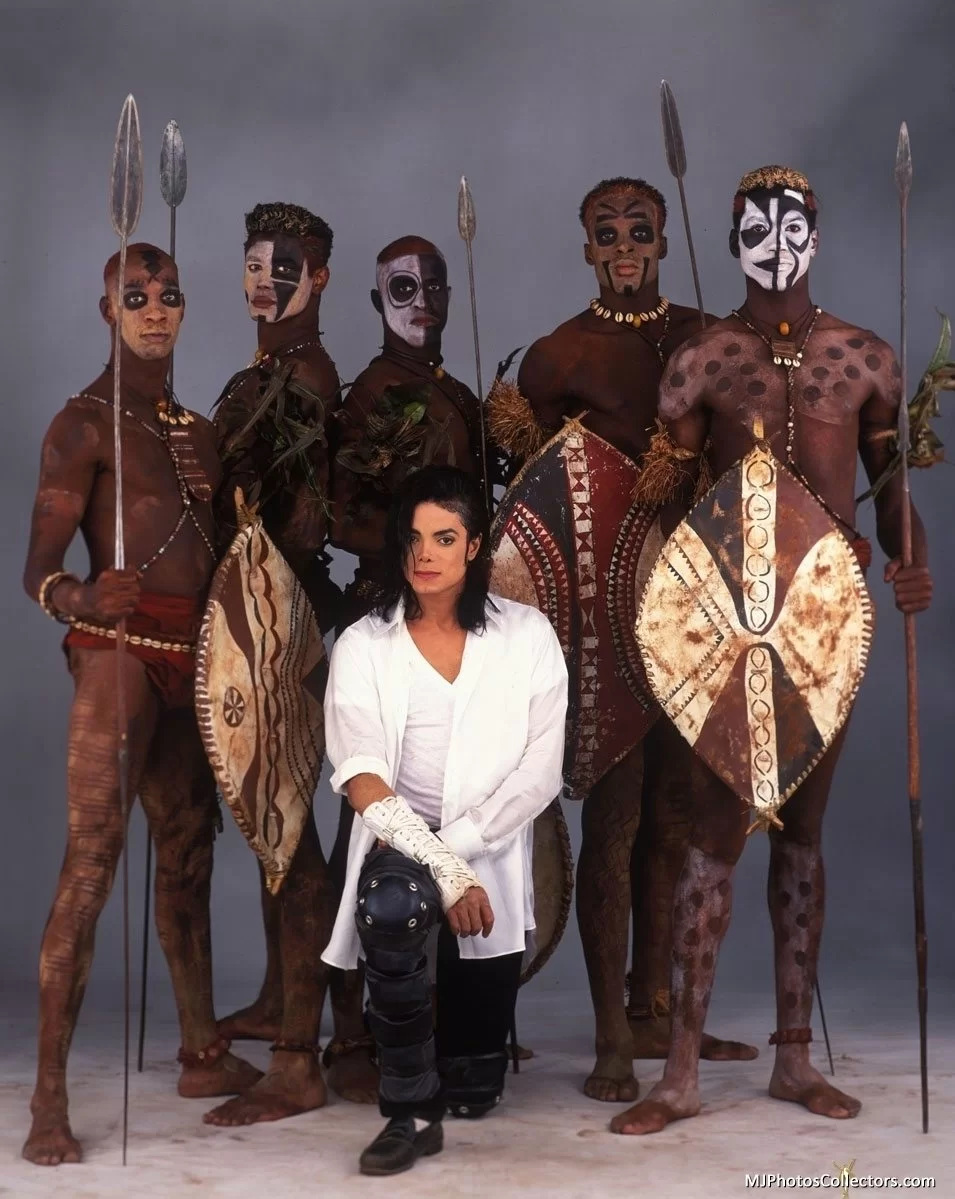
Michael Jackson was famous for changing music videos through dance, but some of his most powerful visuals did not depend on choreography at all.
When he was not dancing, Michael used the music video as a new kind of message — a way to speak about the world, about people, and about the issues that mattered beyond fame and entertainment.
![Michael Jackson - Black or White [RESTORED/REMASTERED] HD](https://i.ytimg.com/vi/fY7YxOeabws/maxresdefault.jpg)
One of the clearest examples came with “Man in the Mirror,” from his 1987 album Bad.
Instead of building the video around Michael’s performance, the visuals showed a montage of real-world pain, hope, conflict, and change. Viewers saw images connected to historic events, civil rights leader Martin Luther King Jr., social struggle, and children living in poverty.
The video felt different from the polished pop visuals people expected from a superstar. It was not about glamour. It was about conscience. It asked the audience to look outward at the world, then inward at themselves.
For Michael, the message was clear: change could not begin only with governments, leaders, or powerful people. It had to begin with the person looking back in the mirror.
Years later, he pushed the music video form again with “Black or White,” released in 1991.
This time, Michael used groundbreaking visual technology to support a cultural message. The video showed the faces of people from different races and ethnic backgrounds morphing smoothly into one another. At the time, the effect felt astonishing. It visually suggested that, beneath surface differences, people were more connected than they often realized.
Later, that face-morphing effect would be copied and overused across television, commercials, and pop culture. But when “Black or White” arrived, it felt fresh, bold, and futuristic.
More importantly, it served the song’s message.
Michael was not just showing off technology. He was using it to say something about race, identity, and unity at a time when those conversations mattered deeply.
These videos proved that Michael Jackson did not need dance to hold attention. Sometimes he stood back and let the images speak. Sometimes the most powerful movement was not in his feet, but in the emotions he stirred and the conversations he started.
Through videos like “Man in the Mirror” and “Black or White,” Michael showed that pop music could carry a message larger than entertainment.
He was not only making songs.
He was making the world stop, look, and think.