In a chilling glimpse behind bars, new photographs of Bryan Kohberger have surfaced, revealing the man accused of four brutal murders in a stark prison setting. These images, taken shortly after his arrest, provide an unsettling look at the individual who now faces life sentences for the tragic deaths of Maddie Mogen, Kaylee Goncalves, Xana Kernodle, and Ethan Chapin.
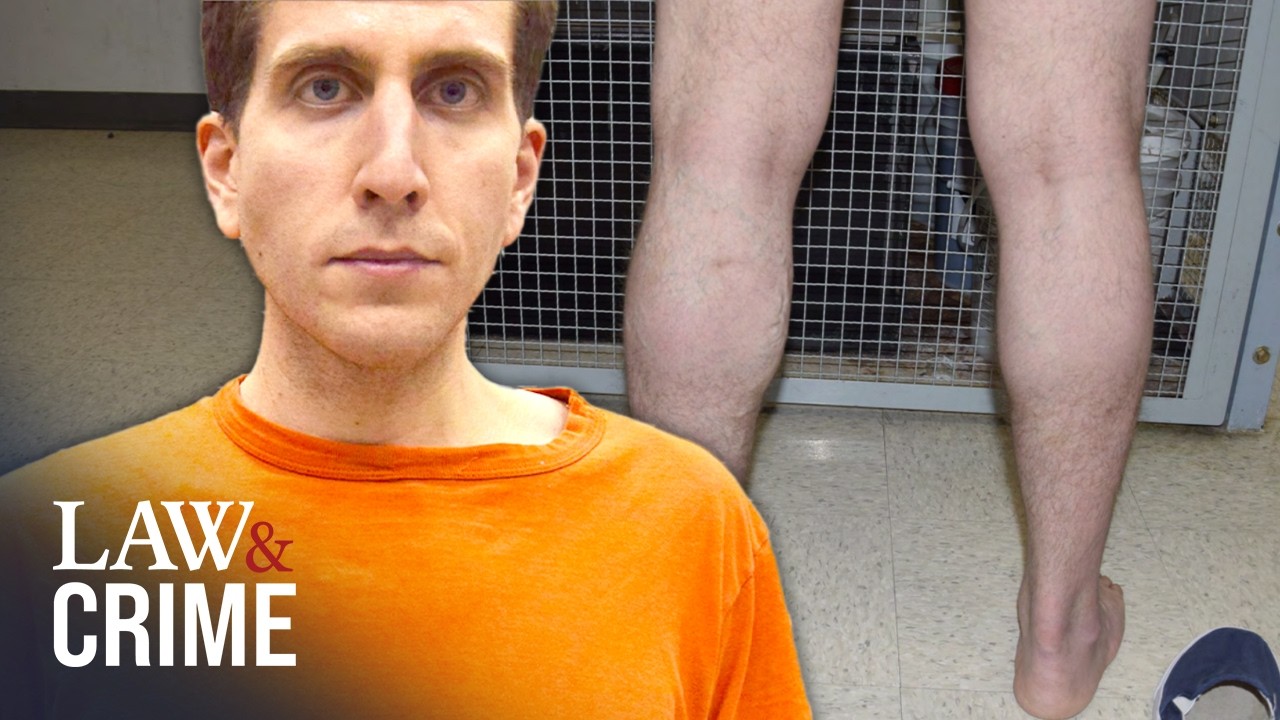 Kohberger, now 31, is currently housed in Idaho’s maximum-security prison as inmate 163214. Despite being granted an hour of outdoor recreation each day, sources indicate he prefers to remain in his cell. The haunting memories of the victims linger, frozen in time just hours before their lives were taken in a horrific act of violence.
The investigation into their murders was a complex puzzle, initially yielding few leads until a crucial piece of evidence—a K-Bar knife sheath with a U.S. Marine Corps emblem—was discovered. DNA testing linked that sheath to Kohberger, a criminology PhD student from Washington State University. His arrest came just days after Christmas 2022 at his parents’ home in Pennsylvania, where a lawyer expressed hopes for his exoneration—a hope that has since faded.

Kohberger made his first court appearance in Latah County on January 5, 2023, an event that remains etched in the memories of those who witnessed it. Accompanied by his attorney, Anne Taylor, who sported a distinctive black and white blazer that day, Kohberger faced the weight of the charges against him.
On the same day, investigators from the Idaho State Police visited Kohberger at the Latah County Jail to document his appearance. The photographs taken during this session reveal him in an orange jumpsuit, a stark reminder of his current reality. Among the images are close-ups of his hands, which appear notably red—suggestive of his reported obsessive hand-washing habits, a behavior attributed to his struggles with obsessive-compulsive disorder.
Some of the photographs taken show Kohberger in an unguarded moment, revealing the back of his legs and even his feet without jail slippers. These images have sparked discussions about their significance in the ongoing investigation. Retired homicide detective Chris McDonough, who joined the conversation, noted that such documentation is standard procedure in criminal cases, aimed at identifying any potential injuries that could provide insight into the events surrounding the murders.

The analysis of these images raises questions about Kohberger’s state of mind and physical condition at the time of his arrest. Observers have noted possible bruising and marks on his body that could indicate a struggle, though the timeline complicates any definitive conclusions. McDonough emphasized the importance of these details, suggesting they could offer clues about the chaotic nature of the crime.
As the investigation continues to unfold, Kohberger’s behavior in the days following the murders has also drawn attention. Just five days after the tragic events, he was spotted at a DMV in Washington, casually interacting with staff while changing his license plates. This behavior has led to speculation about his mindset during that period, as he appeared relaxed and engaged in small talk, seemingly unfazed by the gravity of the situation.
The juxtaposition of his calm demeanor against the backdrop of such horrific acts raises unsettling questions. How does one reconcile the image of a seemingly ordinary person with the weight of such allegations?
As we reflect on the lives lost and the families affected, the mystery surrounding Bryan Kohberger deepens. What will the next chapter in this tragic story reveal?