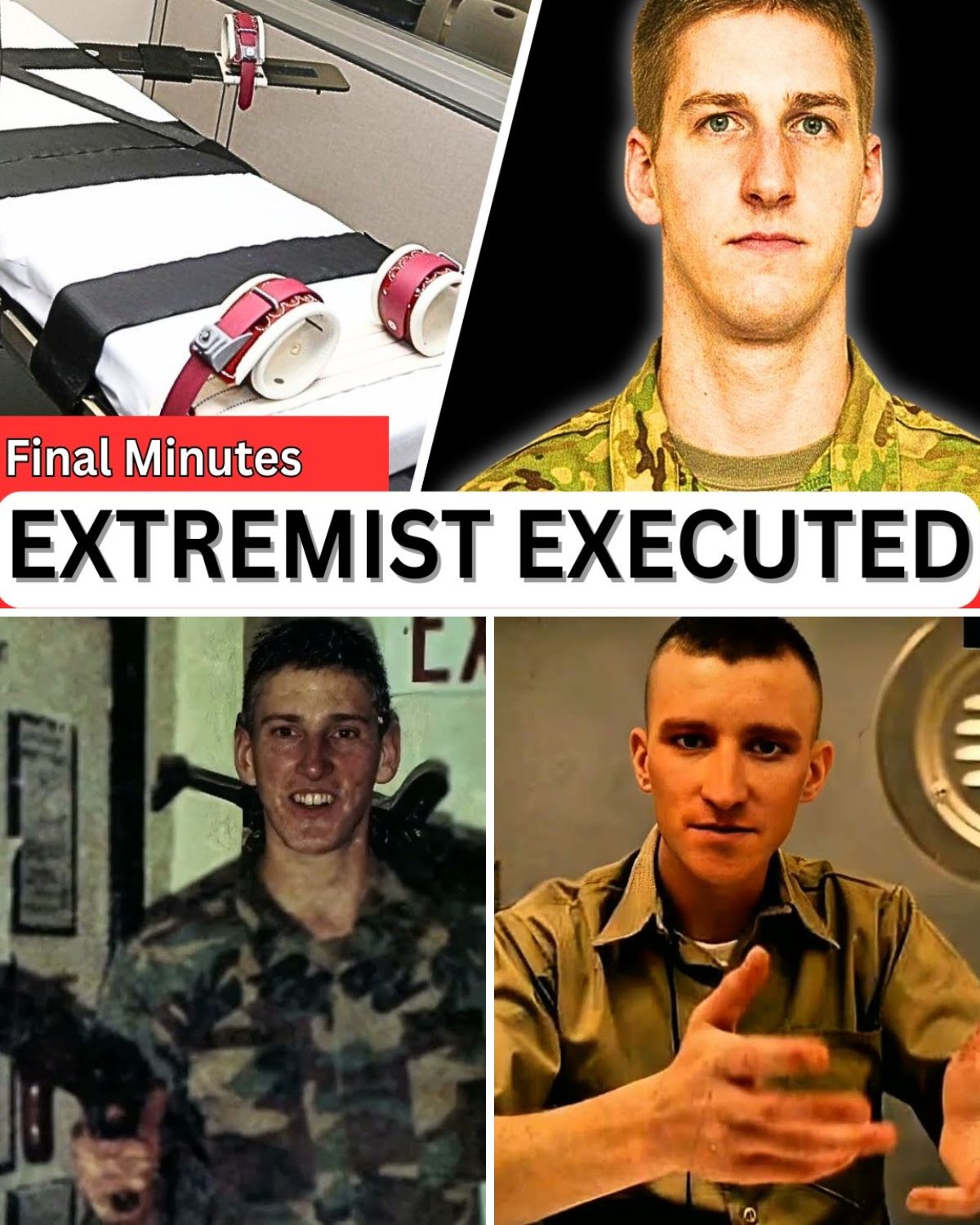
In a haunting chapter of American history, Timothy McVeigh, the man behind the deadliest act of domestic terrorism, met his fate on June 11, 2001. After spending six years on death row, the former Gulf War veteran was executed by lethal injection at the Federal Correctional Complex in Terre Haute, Indiana, at the age of 33.
 To understand how McVeigh transformed from a decorated soldier into a mass murderer, we must revisit that tragic day, April 19, 1995. On a seemingly ordinary spring morning in Oklahoma City, a Ryder truck filled with 5,000 pounds of explosives was parked outside the Alfred P. Murrah Federal Building. As people went about their daily routines, including 19 children at a daycare center on the second floor, the clock ticked down to a moment of unimaginable horror.
At 9:02 a.m., a massive explosion shattered the calm, registering 3.0 on the Richter scale. The blast obliterated one-third of the building, resulting in the deaths of 168 innocent individuals, including the young children who were simply playing. The aftermath was chaotic; survivors emerged from the rubble, bloodied and in shock, as the world grappled with the reality that this was no accident but a calculated act of terror.
In the wake of the bombing, many initially suspected foreign terrorists. However, the perpetrator was an American—a man who had once served his country. McVeigh, who had been born in Lockport, New York, and had a troubled childhood, became increasingly radicalized after his military service, particularly influenced by events like Ruby Ridge and Waco. These incidents fueled his belief that the government was oppressive and needed to be challenged.

On the morning of the attack, McVeigh executed his plan with chilling precision. After parking the truck beneath the daycare center, he lit the fuse and walked away, demonstrating a disturbing detachment from the horror he was about to unleash. He was apprehended just 90 minutes later for a traffic violation, unaware that he would soon be linked to one of the most devastating attacks in U.S. history.
As the investigation unfolded, McVeigh’s trial began in April 1997, revealing a wealth of evidence against him. Testimonies from his accomplices and the harrowing accounts of survivors painted a grim picture of the destruction he had wrought. On June 2, 1997, he was found guilty on multiple counts of murder and conspiracy.

After years of legal battles, McVeigh’s execution was finally scheduled for June 11, 2001. In his final hours, he chose a simple last meal of mint chocolate chip ice cream and declined to give any interviews, reportedly feeling no remorse for his actions. Instead, he submitted a written statement, quoting the poem “Invictus,” which concluded with the lines, “I am the master of my fate. I am the captain of my soul.”
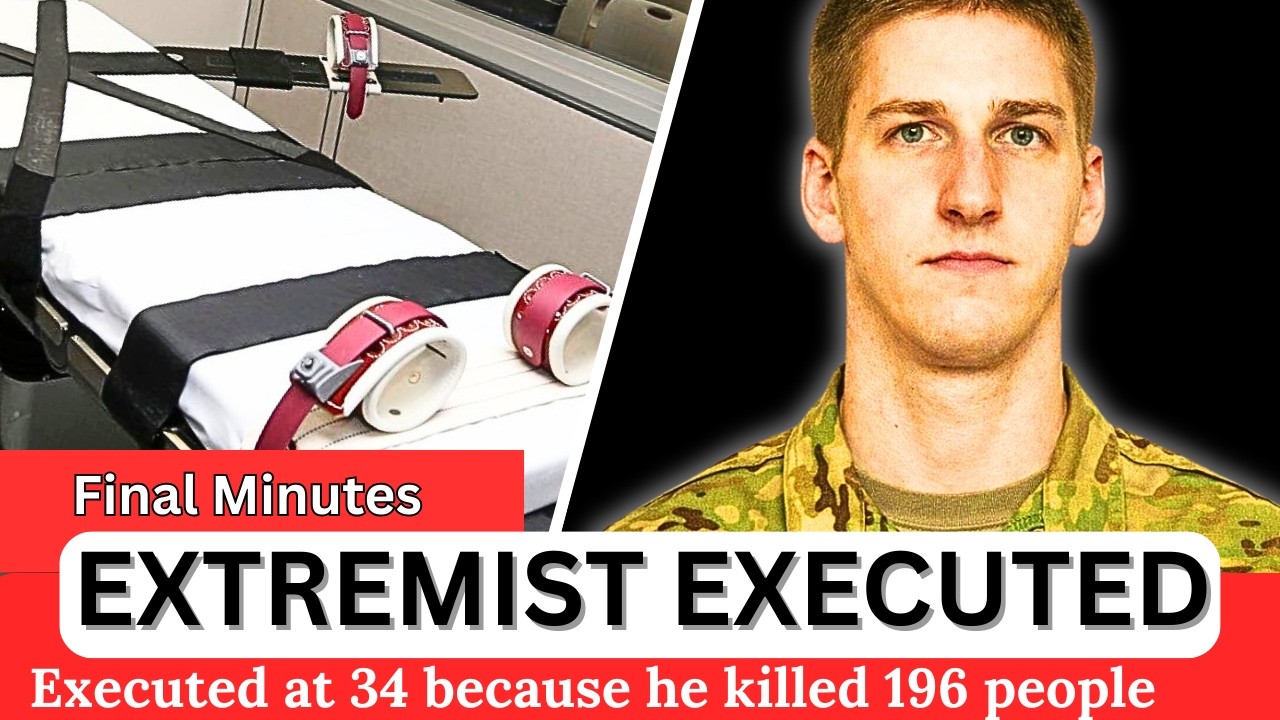
On the day of his execution, McVeigh was calm as he was led into the execution chamber, where he was strapped to a gurney. Witnesses included family members of the victims and media representatives, all eager to see justice served. As the lethal drugs coursed through his veins, he maintained eye contact with the camera, showing no signs of fear or regret until the very end.

At 7:14 a.m., he was pronounced dead, marking a somber moment in American history. The execution reopened discussions about federal death penalties and left a lasting impact on the nation, reminding everyone of the tragic loss of life that day in Oklahoma City.
As we reflect on McVeigh’s actions and the devastation they caused, one question lingers: How do we remember a man who saw himself as a patriot while being responsible for such profound suffering?