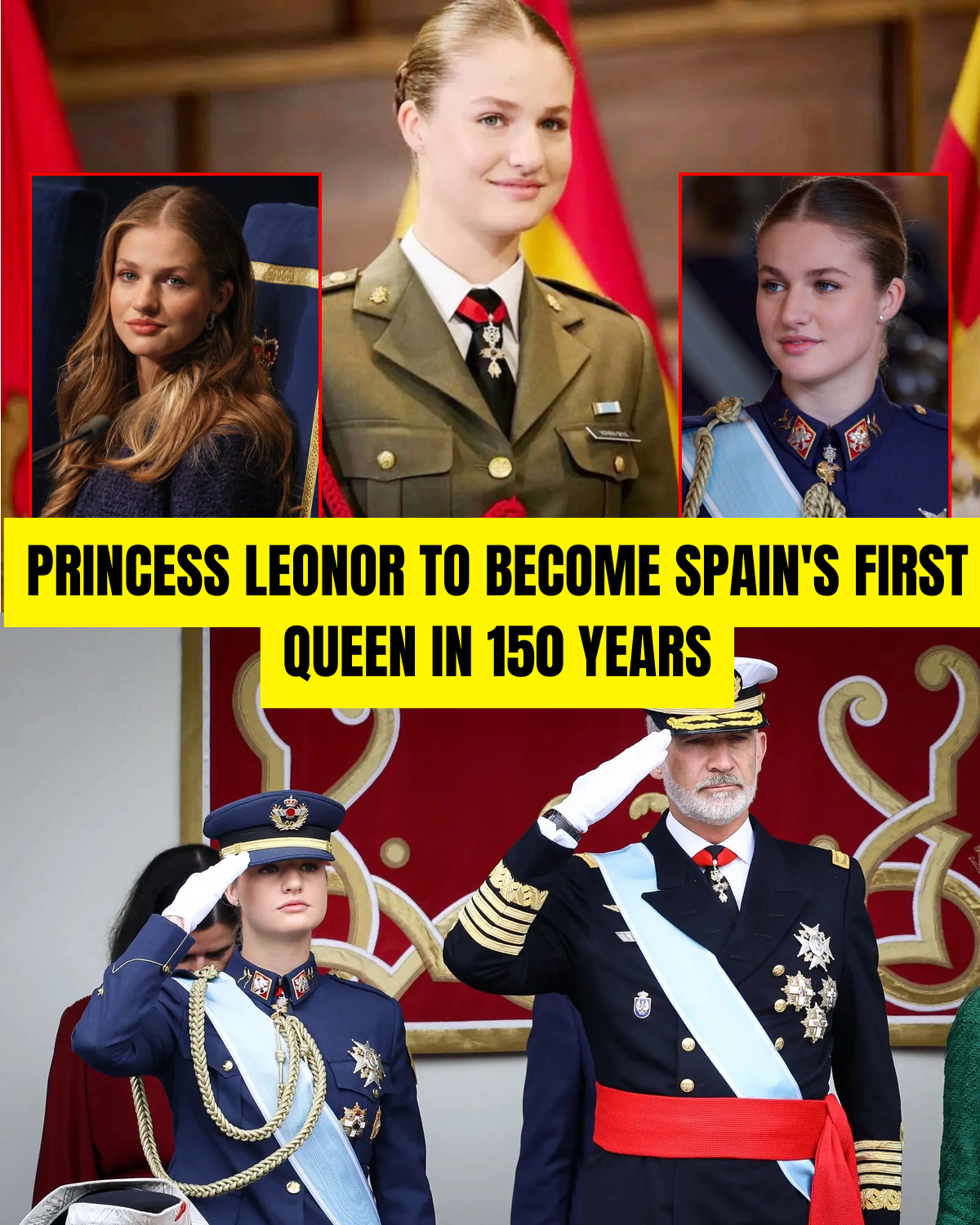
Leonor’s ascension to the throne will mark a historic turning point for the Spanish monarchy. She will be the first female monarch to reign since Queen Isabella II, whose reign ended in 1868. Since Queen Isabella II (who abdicated in 1868), the Spanish throne has been entirely held by male monarchs. But Leonor de Borbón (20 years old), daughter of King Felipe VI and Queen Letizia, is not just inheriting a crown; she is inheriting the responsibility of modernizing an ancient institution in the heart of a turbulent 21st-century society.
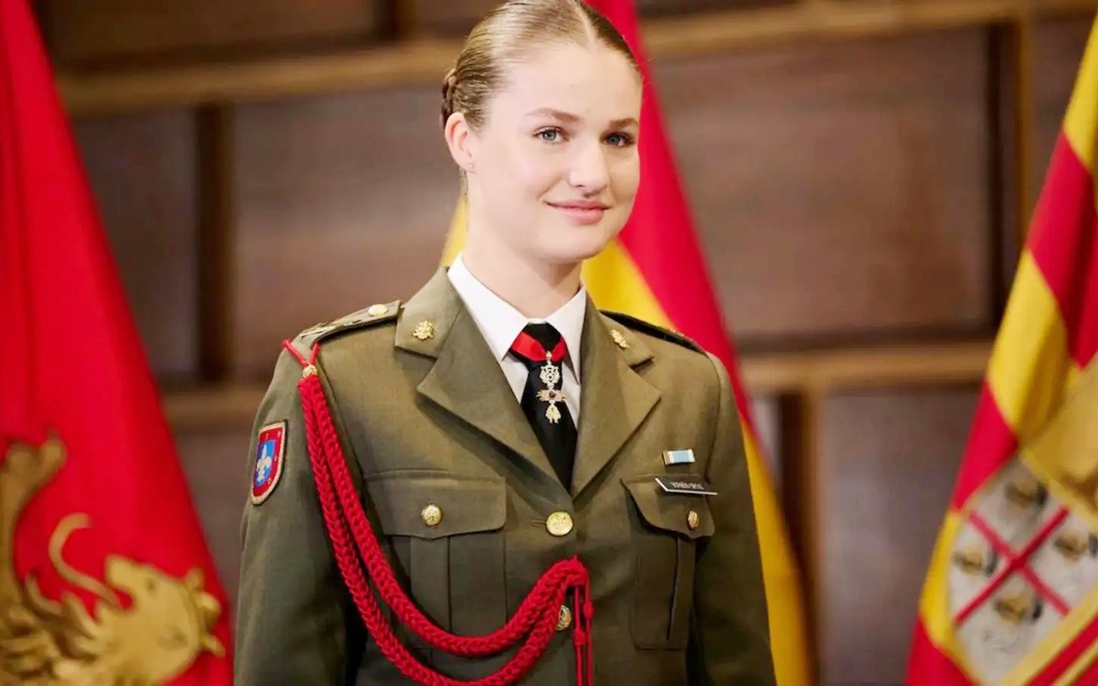
It’s not just a generational transition, but a historical milestone taking shape in Madrid’s royal palace: Princess Leonor is set to become Spain’s first Queen in over 150 years.
Notably, Spanish law requires the heir to the throne to undergo military training with the Army, Navy, and Air Force to prepare for their future role. Leonor began her university studies with an International Baccalaureate degree at UWC Atlantic College in Wales and has since begun military training to become the country’s future Commander-in-Chief.
Seeing Leonor in her mud-stained uniform on the training ground, the Spanish public doesn’t see a “princess in a glass cage.” They see a head of state being tempered.
Leonor began her military journey in August 2023 with army training in Zaragoza, where she joined a group of 560 cadets. In 2024, she transferred to naval training in Galicia and began a 140-day, 17,000-mile voyage aboard the training ship Juan Sebastián de Elcano. Throughout her journey, she served in the crew, sailing across the Atlantic, around South America, and to New York (USA).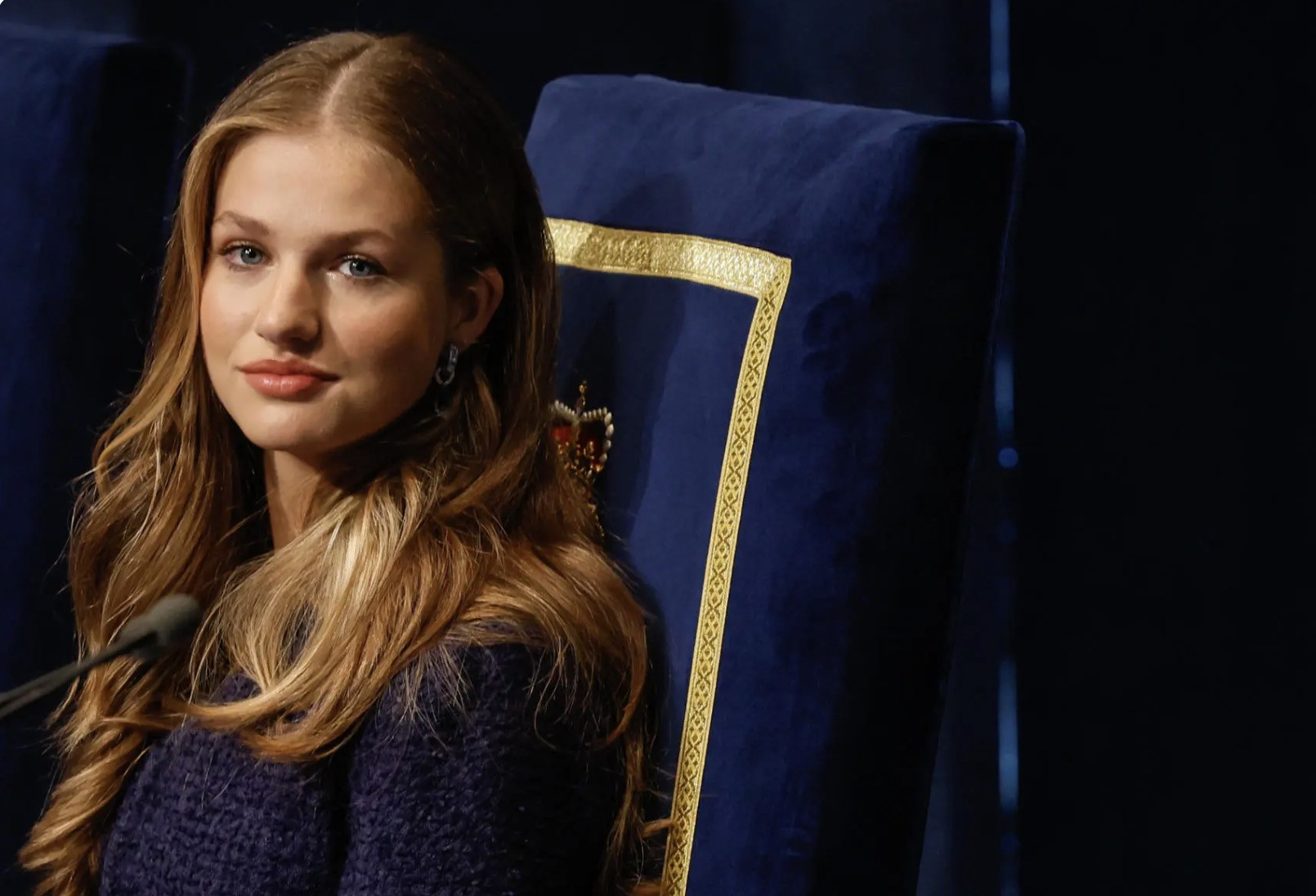
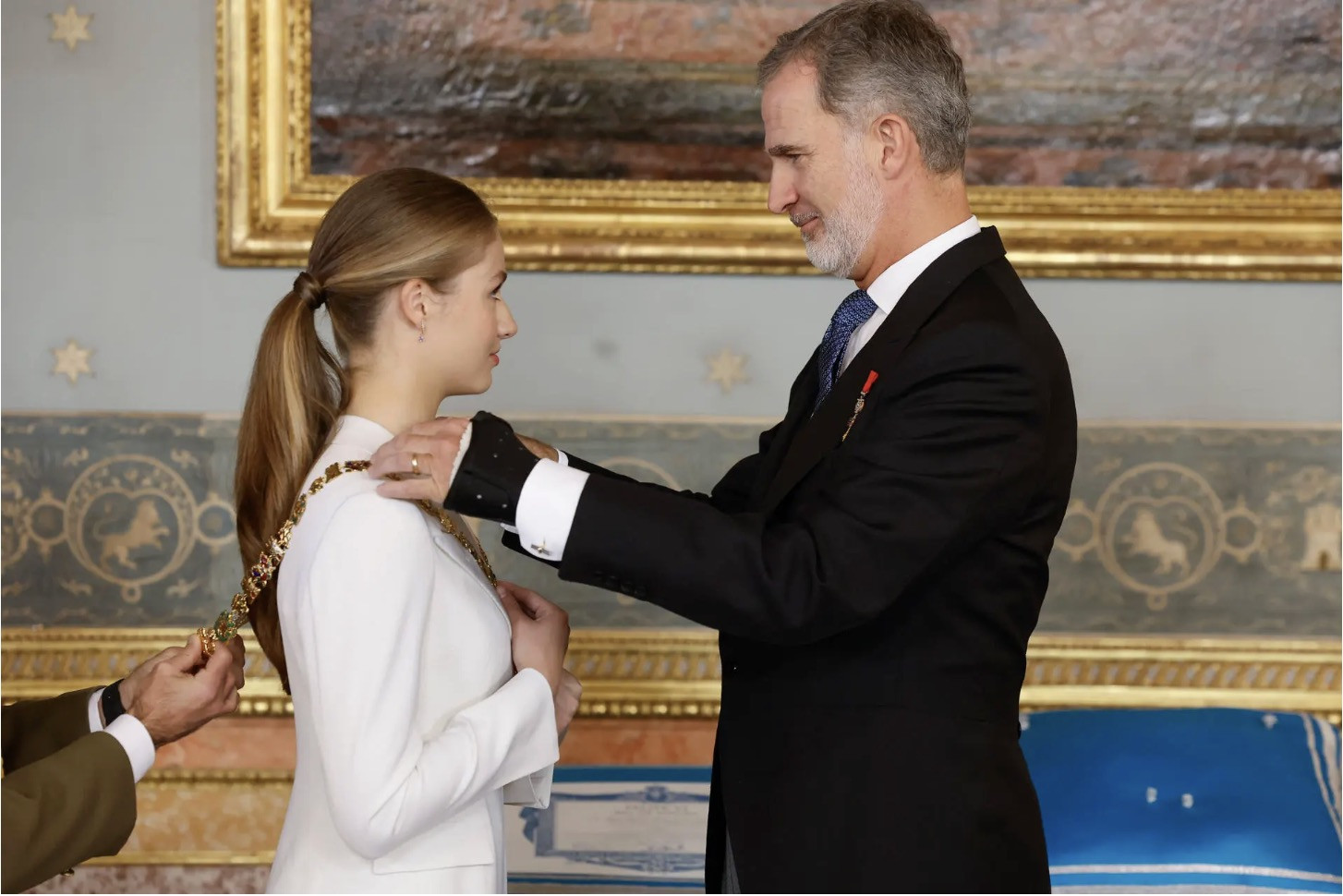
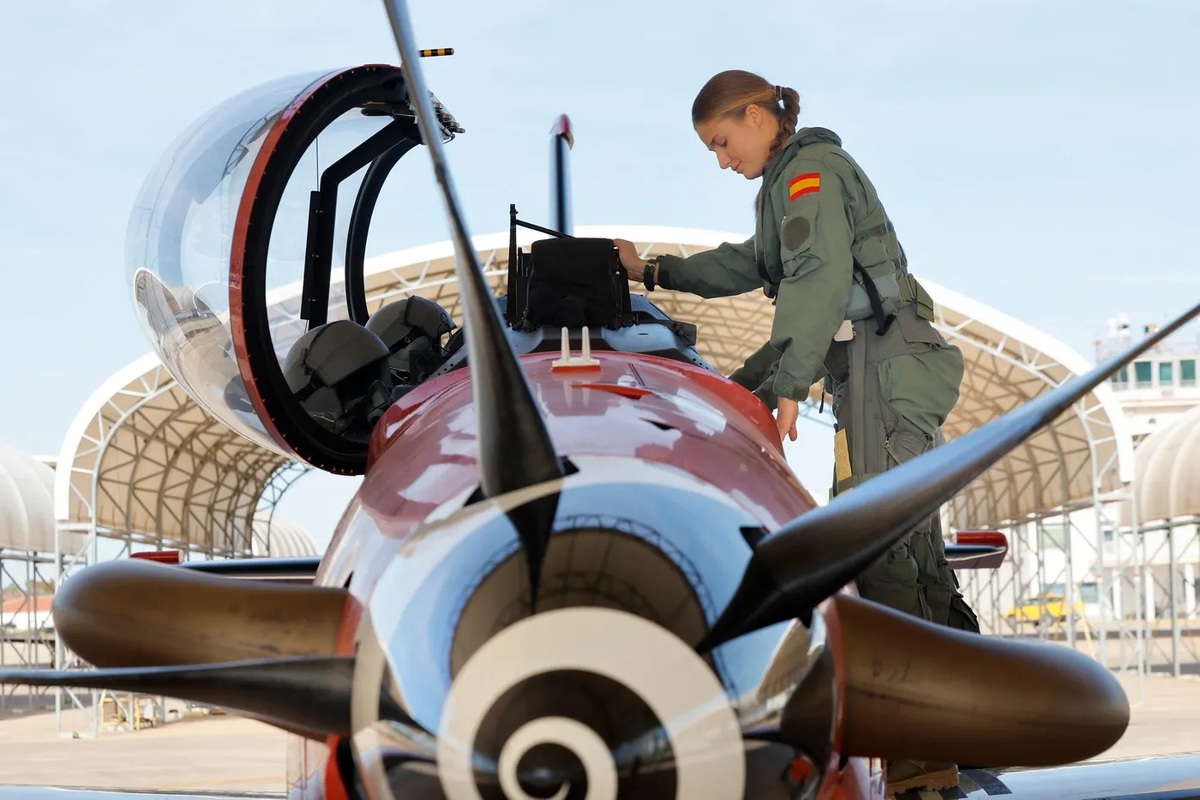
She also spent time on the warship Blas de Lezo before returning to Cadiz on the Elcano in July. In December 2025, she completed her first solo flight in the Pilatus PC-21 aircraft, becoming the first female member of the Spanish royal family to do so.
Subsequently, during her training at the Air and Space Academy in San Javier, Murcia, Leonor received a warm welcome. She is about to be honored with the Gold Medal of the Murcia Region – the region’s highest award – marking a significant achievement on her path to becoming the future Commander-in-Chief of the Spanish Armed Forces.
Leonor captivated the public at a time that couldn’t have been more crucial. Following the financial and personal scandals of her grandfather, former King Juan Carlos I, the monarchy’s prestige hit rock bottom. Her father, King Felipe VI, worked to clean up the royal image through integrity and discipline. However, it was Leonor herself who created “Leonormania.” She is fluent in many languages, including Spanish, Catalan, English, French, Arabic, and Mandarin.
Having begun independent tours, she displays an unusual composure in front of international cameras. Her calm demeanor, discipline, and public speaking skills present a model monarch well-suited to the 21st century.
With her youthful energy, confident yet unassuming style, she is connecting the monarchy with Generation Z, who are often skeptical of traditional values. “Leonor is not just the heir apparent, she is a bridge. She represents a modern Spain: feminist, European integration, and transparency,” a political analyst in Madrid commented.
Becoming queen after 150 years is not just a matter of gender. It’s about redefining the role of the monarch in a country with polarized politics and simmering separatist movements. When Leonor ascends the throne, she will not only succeed her father. She will break a historical barrier that has lasted for more than 1.5 centuries, proving that the future of Spain can be led by a woman with a modern mindset.


