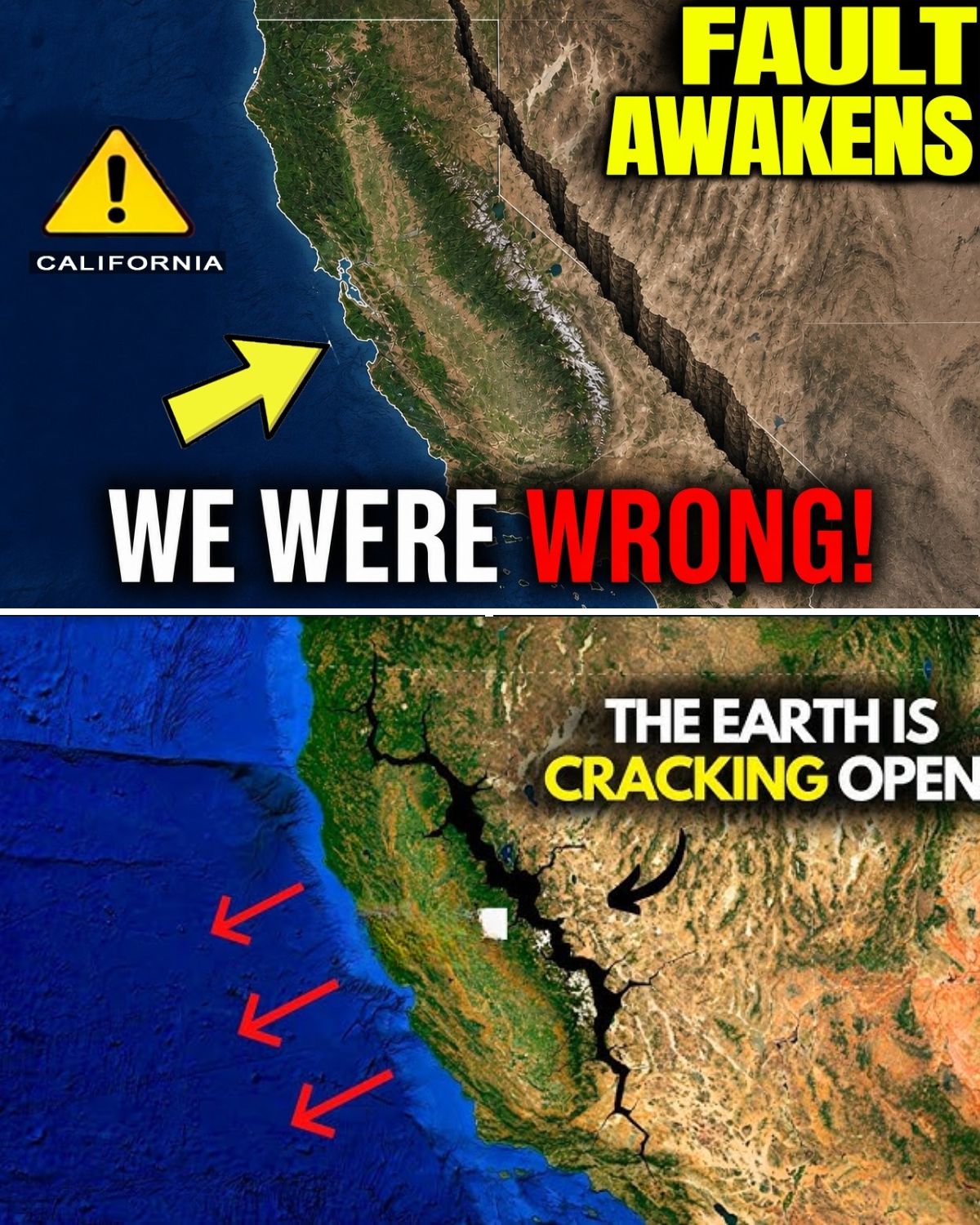

Long before the catastrophic events of 1906, California experienced over 11 significant earthquakes in just 75 years. The anticipation surrounding the next major tremor, often referred to as “the big one,” looms large in the minds of scientists and residents alike. Despite the state’s beauty, the ground beneath is a ticking time bomb, with tectonic forces constantly at play.
Earthquakes are unique among natural disasters; they strike without warning. Unlike hurricanes or wildfires, there are no visible signs to alert residents of impending danger. The threat lies hidden deep underground, beneath schools, hospitals, and homes. While California’s earthquake risk is well-documented, the challenge remains in predicting when the next quake will occur. The forces that shape the land are relentless, and the scars of ancient quakes are etched into the very landscape.
The San Andreas Fault, stretching approximately 800 miles, is one of the most studied geological features in the world. It serves as the boundary between the Pacific and North American tectonic plates. Though they move at a snail’s pace—about the same speed as fingernail growth—the cumulative effect over centuries is staggering. Friction between the plates causes stress to build until it is released in a violent earthquake.
Many people associate California’s seismic history with the infamous San Francisco earthquake of 1906. However, few remember the earlier Fort Tejon earthquake of 1857, which registered an estimated 7.9 magnitude. This massive rupture transformed the landscape, shifting the ground by over 30 feet in some areas. Remarkably, at that time, Southern California was sparsely populated, and the human toll was limited. Today, the same earthquake would have catastrophic consequences for millions living in the region.

Fast forward to April 18, 1906, when San Francisco was rocked by a devastating quake. As buildings crumbled and fires raged, the city faced a disaster that would change its history forever. The aftermath revealed the true dangers of living near an active fault, as thousands lost their homes and lives. This event marked a turning point in earthquake research, leading to the development of the elastic rebound theory, which explains how stress accumulates along faults before being released.
Unlike most earthquake faults, the San Andreas can be seen in places like the Carrizo Plain, where the landscape bears the marks of past quakes. This area serves as a living laboratory for geologists, showcasing the effects of tectonic movement. Here, streams change direction, and ridges appear offset, providing a tangible reminder of the Earth’s restless nature.
One segment of the San Andreas Fault, the southern section, has scientists particularly concerned. This area has remained unusually quiet for centuries, leading to speculation about when it might unleash its next major rupture. While inactivity may seem reassuring, it often raises alarm bells among experts. Geological records indicate that this segment has produced enormous earthquakes in the past, and the potential for a repeat performance is real.

The term “the big one” has become synonymous with California’s seismic threat, but it can be misleading. Scientists caution that there is no single earthquake that defines this phrase. Instead, it refers to the possibility of a significant quake occurring on the San Andreas Fault, typically modeled at a magnitude of 7.8. The energy released in such an event would be staggering, with far-reaching implications for infrastructure and society.
Imagine a typical weekday morning when the ground suddenly shakes beneath your feet. Traffic halts, windows shatter, and chaos ensues as people scramble for safety. Researchers have modeled scenarios that predict thousands of injuries, fires, and extensive damage to infrastructure. While the shaking may last only a minute, the aftermath could take months or even years to recover from.
Despite advancements in seismic monitoring, predicting the exact timing of an earthquake remains elusive. Scientists can identify where quakes are likely to occur and estimate their size, but the critical question of “when” remains unanswered. This uncertainty has shifted the focus from prediction to preparedness, emphasizing the importance of being ready for the unexpected.

California’s ShakeAlert system represents a significant leap in earthquake warning technology. By detecting seismic waves as they travel, the system can provide crucial seconds of warning before the strongest shaking hits. This brief window can make all the difference, allowing people to take protective actions that could save lives.
As the Pacific and North American plates continue their slow dance beneath California, the reality is that the Earth is still very much alive. The forces that shaped the state centuries ago are still at work today, quietly building pressure that will one day be released.
For many, earthquakes are fleeting moments captured in headlines, but for geologists, they represent an ongoing saga of natural forces. The next chapter in California’s seismic story is yet to be written, and the world is watching closely. What will that chapter reveal?