

Alcala’s life was a chilling tale of manipulation and violence. Convicted of multiple murders and suspected of many more, he was a man whose charm and intelligence masked a dark reality. Despite being sentenced to death three times over the years, he never experienced the lethal injection that was meant for him, thanks to a moratorium on executions in California put in place by the governor in 2019.
Born on August 23, 1943, in San Antonio, Texas, Alcala’s early life was marked by trauma. After his father abandoned the family, his mother moved them to Los Angeles, where Alcala’s intelligence shone through. He graduated high school and later enlisted in the Army, where troubling behavior began to surface, leading to a diagnosis of chronic antisocial personality disorder.
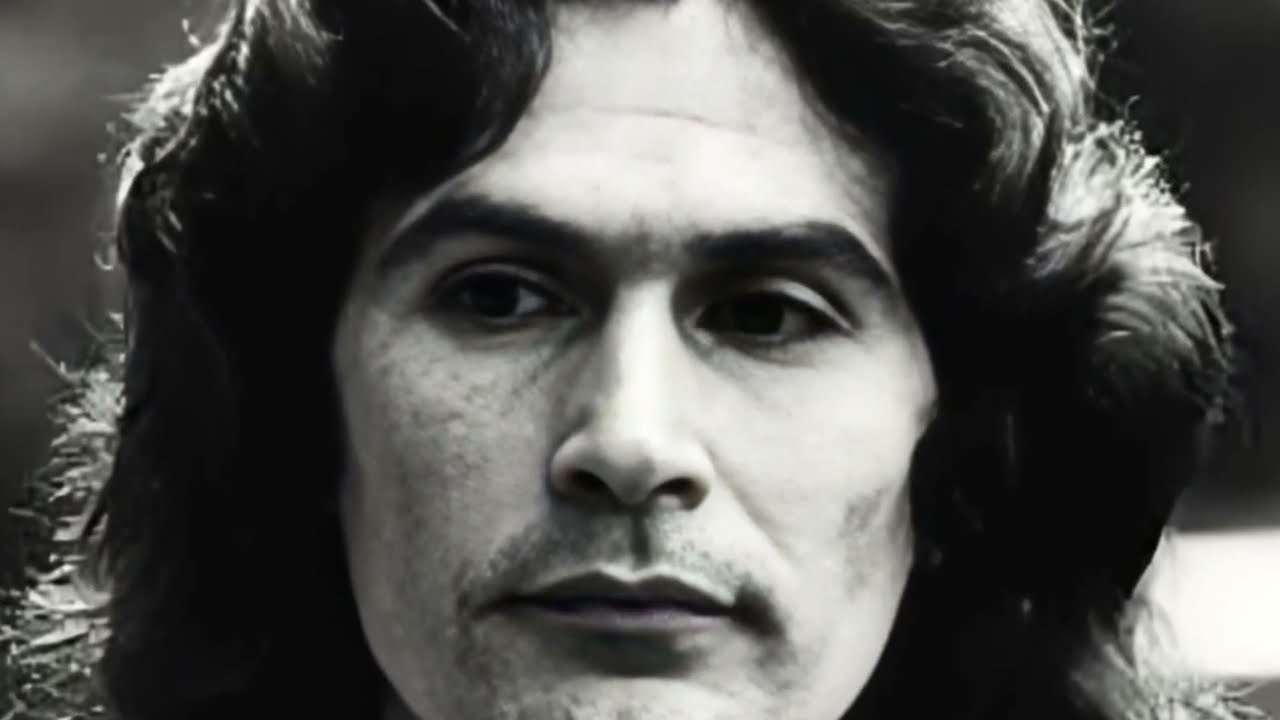
His descent into darkness began in 1968 when he was linked to the near-fatal assault of eight-year-old Tali Shapiro. After a brief stint in custody, he was released, only to reoffend shortly after. His life continued to spiral as he evaded justice, even appearing on the popular game show “The Dating Game” in 1978, where he charmed audiences while hiding his horrific past.
Alcala’s killing spree allegedly spanned multiple states and decades, with investigators believing he may have taken as many as 130 lives. His victims included young women and girls, some of whom were later identified through chilling photographs found in a storage locker in Seattle. These images, along with personal effects, painted a haunting picture of his predatory nature.

Over the years, Alcala’s legal battles were marked by a series of retrials and overturned convictions, leaving families of victims in a perpetual state of uncertainty. Despite overwhelming evidence against him, the legal system repeatedly failed to deliver the justice that many sought.

In 2010, after years of appeals, Alcala was finally convicted again, but by then, he had spent decades manipulating the system. Even as he faced multiple charges, he continued to fight back, using every legal loophole available to him. His health deteriorated over time, and he eventually died in a hospital bed, far removed from the execution chamber that many believed he deserved to face.
As news of his death spread, Tali Shapiro, one of his earliest victims, expressed relief, stating, “The planet is a better place without him.” Yet, the lingering question remains: how did a man with such a violent history evade justice for so long? What does his story reveal about the flaws in the legal system that allowed him to walk free time and again?


