

In a shocking turn of events that has left fans and followers reeling, Gucci Mane, the iconic figure of hip-hop, has found himself banned from his own hood, Zone 6 in Atlanta. This extraordinary situation raises questions about loyalty, street credibility, and the consequences of perceived betrayal. Born Radric Delantic Davis, Gucci Mane is synonymous with the very essence of trap music, having shaped the genre from its inception in the early 2000s. His legacy as a founding father of the sound that revolutionized hip-hop is unquestionable, but now, the streets he once ruled have turned their backs on him.
Just recently, Gucci Mane performed in Atlanta, electrifying the crowd with his hits, yet he couldn’t return to the neighborhood that gave him his start. This contradiction is staggering—one of the most celebrated artists in the game, exiled from the very place that launched his career. The catalyst for this dramatic fallout? Allegations that Gucci Mane cooperated with law enforcement against Pooh Shiesty, a rising star from Memphis who was signed to Gucci’s 1017 Records. The streets buzzed with rumors that Gucci had provided information that contributed to Shiesty’s legal troubles, a move that the community deems unforgivable.
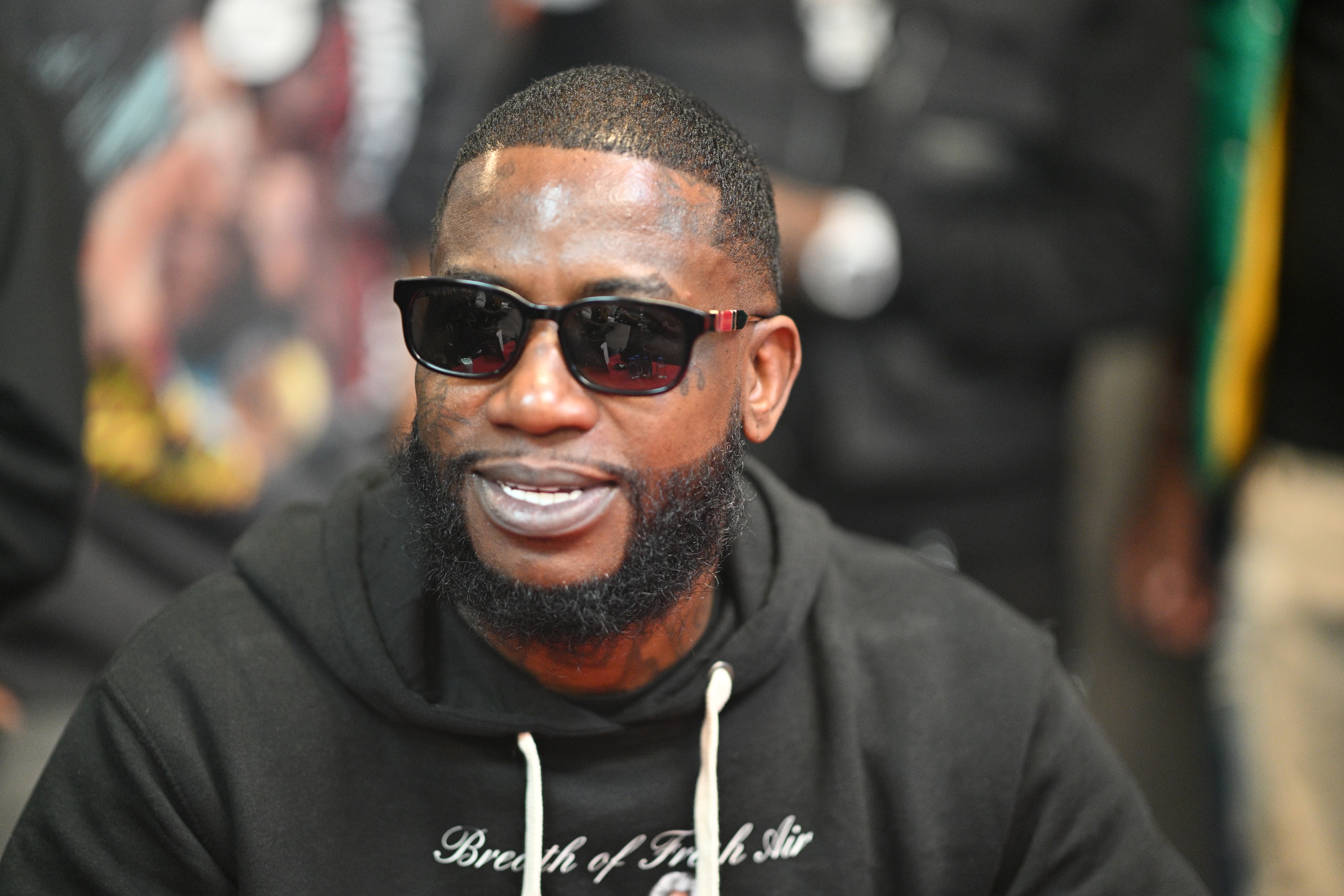
While Gucci has denied these claims, the damage is done. In the world of street culture, respect is paramount, and the violation of the unspoken code of silence regarding police involvement is a sin that cannot be easily absolved. The streets operate on trust, and once that trust is broken, the fallout can be swift and severe. Gucci Mane’s loyalty is now in question, and the verdict from Zone 6 is clear: he is no longer one of them.
The betrayal cuts deeper when considering that Gucci Mane had been vocal about his disdain for informants. Just last year, he was laying down tracks calling out “rats,” while allegedly engaging in the very behavior he condemned. This hypocrisy has fueled the flames of anger within his community, causing many to see him as a fraud rather than the authentic figure he once represented.
Despite the uproar, Gucci Mane continues to perform, attracting fans who may not fully grasp the gravity of the situation. His recent show in Atlanta showcased his undeniable talent and ability to connect with an audience, but the absence of his old crew was palpable. While the venue was filled with energy, the real Zone 6 veterans, who once stood by him, chose to stay away, a silent yet powerful statement about his current status.

This juxtaposition of a vibrant performance and a hollow homecoming speaks volumes. The casual fans may not be aware of the underlying tensions, but Gucci Mane knows all too well that the streets are unforgiving. He may be celebrated on stage, but the community that nurtured his rise has effectively severed ties.
As Gucci Mane navigates this tumultuous chapter, the question remains: can he ever reclaim his place within the very culture that birthed him? Redemption in hip-hop is possible, but it requires genuine accountability and a willingness to reconnect with those who feel betrayed. However, Gucci’s current approach seems to sidestep the need for reconciliation, opting instead for business as usual.
It’s a tragic irony that the man who built his career on authenticity now faces the consequences of his actions. The respect he once commanded has been replaced by skepticism, and each show serves as a reminder of what he has lost. The streets remember, and the echoes of his past decisions resonate through every performance.
In this complex narrative, Gucci Mane’s situation is not just about one man’s fall from grace; it reflects a broader cultural lesson within hip-hop. Authenticity is not a marketing tool; it is a fundamental commitment to the community that shapes an artist’s identity. The Gucci Mane saga underscores the reality that legacy alone cannot shield one from the repercussions of betrayal.
As he continues to perform and produce, Gucci Mane must confront the reality that he is a man out of place—an exile in his own neighborhood. The question lingers: will he find a way back, or has the damage done become too great to repair? Only time will tell, but for now, the streets of Zone 6 remain closed to him.
In the end, Gucci Mane’s journey serves as a poignant reminder of the delicate balance between fame and fidelity, and how quickly the tides can turn in the world of hip-hop. As fans look on, the anticipation of his next move hangs in the air, with all eyes on the artist who was once untouchable but now stands on the precipice of redemption or irrelevance.