The weekend dinner was supposed to be a quiet family affair. I had spent hours roasting a chicken, mashing potatoes, and setting the table with the good china. My son Liam and his wife Brenda had been living with me for two years by then, ever since they asked for a “temporary” stepping stone to save for their own place. Temporary had stretched, and their gratitude had worn thin.
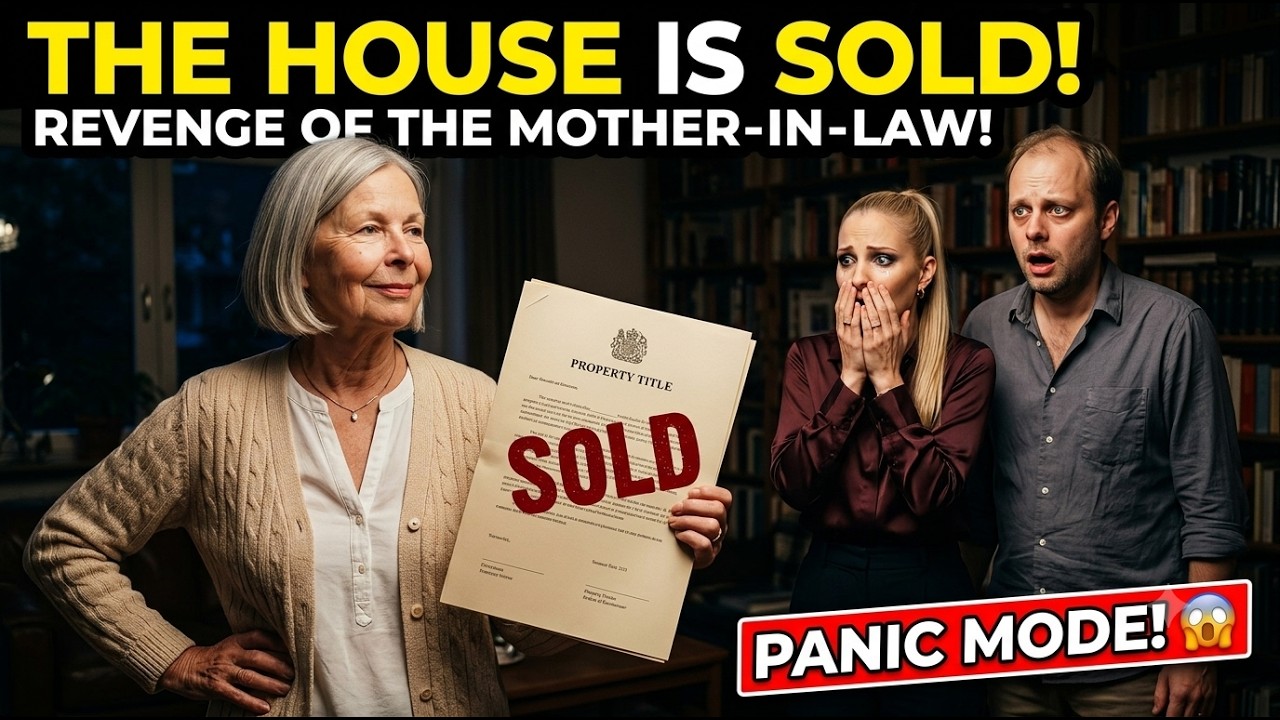
We were almost finished eating when Brenda set her fork down and wiped her mouth. “Starting tomorrow, my parents are moving in here,” she said, as casually as if she were commenting on the weather. “If you have a problem with that, you can move out. ”
Liam stared at his plate.
He didn’t look up. He didn’t defend me. I didn’t scream or cry. I just smiled, nodded, and took a sip of water.
They thought I was surrendering. They had no idea I had just activated a plan that would change everything. That night, after Brenda celebrated on the patio with a glass of wine and Liam scurried upstairs, I cleared the dishes, washed them carefully, and closed my bedroom door. I sat on the edge of my bed, calm and composed.
I had spent decades managing unruly classrooms full of teenagers. I knew how to handle entitled behavior. Silence meant I was thinking. I opened my laptop and called my old friend Arthur, a contractor with a highly successful company.
In fifteen minutes, we had a deal. His crew was wrapping up another project early, and they could start immediately. I authorized a full gut demolition of the kitchen, bathrooms, and main living areas to begin at dawn. Then I packed my suitcases my documents my jewelry my family photo albums and loaded everything into my SUV through the side door under cover of darkness.
I stripped my bed, folded the sheets, and left nothing behind but heavy furnitureand the sound of Brenda laughing at the TV upstairs. At 5:45 the next morning, I stood on the front porch fully dressed, coffee in hand. At exactly 6:00, three utility trucks rumbled down the quiet suburban street. Ten burly men piled out carrying sledgehammers crowbars and power tools.
Arthur walked up the driveway, clipboard in hand. I signed the final authorization, handed him my spare keys, and gave him one instruction: take the main floor down to the studs. Within minutes, the front door was open and the deafening sound of demolition echoed through the neighborhood. Drywall crashed.
Tile shattered. To me, it was beautiful music. Less than ten minutes into the chaos, Liam and Brenda came sprinting down the stairs in their pajamas. Brenda was shrieking, dust beginning to billow from the kitchen.
Workers were ripping out the custom cabinets she had claimed as her own just the night before. She ran out to the porch where I stood calmly leaning on the railing. “What is happening? “ she screamed.
I shrugged. “You told me last night that if I had a problem with your parents moving in, I could move out. So I’m moving out. And while I’m gone, the house is getting a completely new floor plan.
”
Her jaw dropped, but before she could argue, a U-Haul truck backed into the driveway at 9:00 sharp. Brenda’s parents, Todd and Mary, climbed out exhausted but triumphant, having driven three hours to claim their free luxury accommodation. They walked up the driveway smiling, expecting a warm home and a subservient host. Instead, they met circular saws and chunks of debris flying into a dumpster on the lawn.
They stepped through the open front door and froze. The living room was gone. The kitchen was an empty cavern of exposed pipes. Brenda stood in the middle of the foyer, robe covered in drywall dust, looking like she’d survived an explosion.
Todd dropped a box of dishes. “What the hell did you do? “ he yelled. I paused at the top of the steps, keys in hand, and looked directly at them.
“Welcome to the neighborhood. The house is undergoing a total structural remodel for the next three months. There’s no running water in the kitchen, the power will be intermittent, and the bathrooms are being demolished. Please excuse the mess.
” I didn’t wait for their sputtering. I walked straight to my SUV, started the engine, and drove away, glancing in the rearview mirror at four paralyzed figures standing in the driveway. The silence inside my car was pure bliss. I drove to an extended-stay hotel on the other side of the city, a lovely suite with a kitchenette, king bed, and balcony overlooking a small lake.
After unpacking, I sat down and opened my laptop. The physical demolition was only phase one. Phase two was financial. For two years, Liam and Brenda had lived rent-free.
I’d also kept them on my family phone plan and given Liam authorized-user status on one of my secondary credit cards for household emergencies. Brenda, naturally, had used that card to buy luxury groceries and designer clothes. I logged into my banking portal and permanently deactivated the card. I logged into the mobile carrier portal and initiated a transfer of billing responsibility for their two phone lines.
Their service would be suspended by midnight if they didn’t input their own payment method. I removed Liam’s vehicle from my auto insurance policy. They were adults in their thirties. It was time they financed their own arrogance.
Two hours later, my phone rang. It was Liam, frantic. “Mom, the hotel front desk just rejected the credit card. We had to book two rooms for us and Brenda’s parents because the house is unlivable.
Why is the card declining? You need to call the bank. I leaned back and said calmly, “The card isn’t declining. I canceled it.
I’m no longer funding your lifestyle. You’ll have to use your own debit card for the rooms. ”
The line went dead silent. Then I heard muffled arguing, and Brenda’s sharp voice cut through.
She’d snatched the phone. “Listen to me. You are going to pay for these hotel rooms right now. My parents are sitting in the lobby with all their belongings.
You orchestrated this whole renovation just to spite us, so you are financially responsible for our accommodation until the house is finished. ”
I didn’t raise my voice. I just set a firm boundary. “Brenda, I’m responsible for my own expenses and you’re responsible for yours.
I own the house, and I decide when to renovate it. You told me to move out, so I did. Where you and your parents sleep tonight is entirely your problem. ” Before she could scream another demand, I pressed end.
I blocked her number immediately, along with Todd and Mary. I left Liam unblocked but sent him a text: “I will only communicate with you via text. Do not ask me for money again. ”
I placed the phone on the nightstand, walked out to the balcony, and took a deep breath.
For the first time in two years, my afternoon wasn’t dictated by Brenda’s loud TV or her complaints about chores. I made tea, grabbed a book, and read in absolute peace. The heaviest burden I carried was the illusion that I had to fix their self-inflicted mistakes. Two weeks passed.
I explored museums, visited botanical gardens, met old friends for lunch. Arthur texted photos of the renovation. The house was transforming beautifully, the cramped outdated kitchen expanding into a modern open-concept masterpiece. Meanwhile, Liam’s texts painted chaos.
Without my card absorbing the shock, they were draining their savings on two hotel rooms at a nightly premium, eating expensive takeout for every meal. Todd and Mary were furious. They’d surrendered their own lease because Brenda had promised them a free, luxurious life. They realized she had zero authority over the property and had lied to them.
Instead of a free ride, they were trapped in a cramped two-star hotel room watching their retirement funds evaporate. They demanded she fix it, blaming her for their sudden homelessness. I didn’t have to lift a finger. Their own greed did the heavy lifting.
She had mistaken my kindness for stupidity, and the natural consequences were far more effective than any revenge I could have planned. On a rainy Tuesday evening, there came a quiet knock at my door. Liam stood in the hallway, alone, looking like he hadn’t slept in a week. His shoulders slumped, clothes wrinkled, youthful ignorance gone.
He sat on the edge of the sofa staring at the floor. He admitted that Todd and Mary were threatening to pack up and drive home, severing ties with Brenda because of the financial disaster she’d dragged them into. “Mom, we have nothing left. The savings are gone.
The cards are maxed out. Brenda cries every night and her parents despise her. Just tell me when the renovation’s finished so we can move back in and get back to normal. ” He looked at me with pleading eyes, expecting the mother who always rescued him.
I sat opposite him, holding steady eye contact. I owed him the truth, served plain. “You aren’t moving back in, Liam. When the paint dries and the floors are sealed, the house is going on the market.
I’m selling it. You and Brenda need to find an apartment you can afford on your own salaries. ”
The color drained from his face. He realized, finally, thatthe gravy train was permanently derailed.
He had stood silently while his wife tried to evict me from my own home, and the price of his silence was everything he’d taken for granted. The fallout was swift. Todd and Mary packed their rental car and drove home, forced to rent a tiny overpriced apartment on a fixed income, bitter and estranged from their daughter. Brenda, deprived of her illusion and her parents’ support, turned all her rage on Liam.
But without my safety net, Liam had to stand up to her. He took overtime shifts just to secure a basic one-bedroom apartment in an industrial part of the city. The strain of paying their own bills, buying their own groceries, fractured their marriage. Brenda had to budget for electricity and car insurance instead of weekend shopping.
Meanwhile, Arthur finished the renovation exactly on schedule. The house looked spectacular. I didn’t even list it. Arthur knew a real estate investor who toured on a Tuesday and offered a massive all-cash well above asking by Wednesday morning.
I signed the closing documents with a smooth hand. The funds cleared, securing my financial independence for life. I had turned a house full of toxic entitlement into liquid freedom. No lawyers.
No police reports. No screaming matches. I packed, renovated, and let the trash take itself out. Six months later, my life looks entirely different.
I bought a right-size townhome in a walkable, vibrant neighborhood, with a small garden where I grow tomatoes, a spacious kitchen where I bake on weekends, and exactly enough room for me and my peace of mind. I decorated it entirely to my tastes, no compromises. The halls are filled with jazz music, not heavy silence. Liam visits occasionally, always alone.
He looks older, tired, but more grounded. He and Brenda are still struggling in their small apartment, learning financial independence a decade late. We drink tea on my patio and talk about neutral things. I love my son, and I’ll always care for him, but I will never be his safety net again.
He knows better than to ask for money, and better than to bring his wife to my door. The boundary I drew in that dust remains rock solid. I don’t feel regret. Setting boundaries doesn’t require loud fights or bitter arguments.
It requires decisive, unyielding action. When someone shows you they don’t respect your space, your contributions, or your dignity, you don’t argue. You simply remove their access to you. Peace isn’t found by enduring disrespect.
It’s built by walking away, closing the book, and quietly locking the door behind you.


