SANTA MONICA, Calif. — The world’s most wanted fugitive spent his final hours of freedom watching television coverage of a dead terrorist, unaware that a chain of overlooked phone calls from a Scandinavian immigrant was about to collapse his carefully constructed world of lies.

For 16 years, James “Whitey” Bulger had evaded the most sophisticated law enforcement apparatus on the planet, living not in a bunker or a foreign hideout but in plain sight at the Princess Eugenia Apartments, a modest three-story building just blocks from the Pacific Ocean. But on June 21, 2011, the 81-year-old mob boss’s luck finally ran dry in a gritty parking garage, where a standoff over a puddle of oil became the defining image of his ignominious capture.
The beginning of the end started not with a dramatic raid but with a mundane television commercial. At 11:30 a. m.
, the FBI aired a 30-second public service announcement featuring high-resolution photos of Catherine Greig, Bulger’s longtime girlfriend, alongside the agency’s iconic shield and a $100,000 reward. The narrator detailed Greig’s history of plastic surgery and her connection to the Boston crime boss, appealing directly to the public for any scrap of information.
The timing was no accident. Just weeks earlier, the death of Osama bin Laden at the hands of Navy SEALs had reshuffled the FBI’s priorities. With America’s most wanted terrorist eliminated, Bulger had ascended to the top of the bureau’s Ten Most Wanted list, a position that brought renewed urgency and resources to a case that had gone cold for more than a decade.
What the FBI didn’t know was that the commercial would trigger a flood of tips, most of them useless, but three of them would carry the same persistent, urgent message from an unlikely source: Anna Bjornsdottir, a woman from Iceland who had befriended Greig over a shared love for a stray cat named Tiger.
Bjornsdottir had called and emailed repeatedly, her accented English carrying a note of frustration that bordered on exasperation. She insisted that the couple living in apartment 303 of the Princess Eugenia were not Charlie and Carol Gasko, as they called themselves, but the notorious fugitive and his moll. The FBI’s initial response was dismissive; the tip seemed too good to be true, and the name Gasko had been used by Bulger before, but the details were maddeningly vague.
But Bjornsdottir was not guessing. She had provided a specific name, a precise address, and a physical description that matched Bulger’s known appearance, including his distinctive white hair and piercing blue eyes. When Deputy U.
S. Marshal David Gonzales ran the names Charles and Carol Gasko through federal databases, something immediately felt off. The couple was listed at the Santa Monica address, but they had no birth dates, no Social Security numbers, and no California identification.
They were ghosts, digital phantoms that existed only on paper.
The irregularities were impossible to ignore. Gonzales called Bjornsdottir directly, and her response was unwavering. “I’m not 100% sure,” she said, “I’m 200% sure it’s them.”
That was all the marshal needed to hear.
At noon, a new player entered the story: Special Agent Scott Garriola, a veteran fugitive hunter with a storied career that included dismantling violent gangs and capturing cartel leaders. When an email about a fresh lead on Bulger popped up in his inbox, Garriola initially hesitated. This was an organized crime case, not his usual jurisdiction.
 He typed a message to pass it off to someone else, but then he paused. This wasn’t just any case; this was Whitey Bulger, the man who had inspired Martin Scorsese’s “The Departed” and who had been on the run longer than some of Garriola’s junior agents had been alive.
Garriola deleted the first message and typed again: “Why don’t you give me a call and show me what you’ve got.” Moments later, the details arrived, and his instincts told him to be cautious. He had chased countless false leads before, but something about this tip felt different.
He quickly dropped his kids off with a babysitter and rallied his team, sending out a text: “We’ve got a lead. Meet me in Santa Monica in about an hour.”
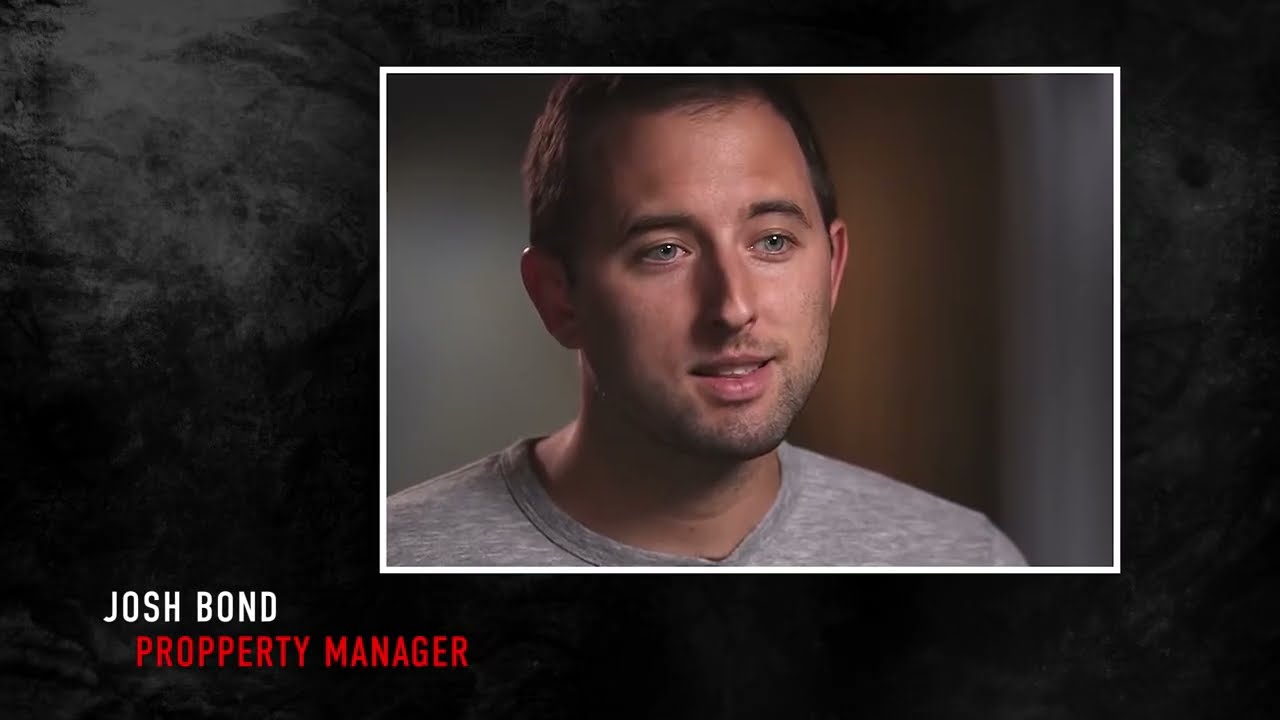
The wheels were now in motion. Subpoenas were issued, utilities tied to the address were checked, and the chase was on. Josh Bond, the manager of the Princess Eugenia Apartments, was startled awake from a nap by a co-worker with unexpected news: the FBI was asking about a tenant.
Still groggy, Bond grabbed his phone and called Garriola, initially trying to push things off, asking if it could wait until tomorrow. After all, it was his day off.
But Garriola was firm. “This needs to happen now,” he said. Bond arrived at the FBI’s temporary office at the Embassy Hotel across the street, and Garriola wasted no time laying out a set of photos and asking a simple yet loaded question: “Do these people live in apartment 303?”
Bond hesitated, staring at the familiar faces of his neighbors Charlie and Carol, but finally he nodded. “That’s them.”
When Garriola revealed who the couple really was and why they were wanted, the stunned manager admitted he had never seen a photo of Bulger before, despite hearing the name many times. Initially reluctant to get involved, Bond’s attitude shifted when Garriola mentioned the $100,000 reward tied to Greig. He agreed to help and even shared a key detail: the man in 303 often sat on the balcony with binoculars, watching the street below.
Shortly after, Garriola set up a base of operations in the Embassy Hotel, directly across from the Princess Eugenia. The location offered the perfect vantage point, giving his team a clear line of sight to the third-floor balcony of apartment 303. When Garriola floated ideas for staging a ruse—cutting the power, faking a plumbing issue, or posing as a delivery driver—Bond dismissed them all.
“No one’s ever allowed in their apartment,” he said firmly. They had to find another way.
 With no movement observed for hours, Garriola decided to take a more creative approach. As evening settled in, he slipped into the garage beneath the apartment building, scanning the rows of storage lockers assigned to each unit. His attention locked onto one with “Gasko” scrawled in crayon, a clue that confirmed it belonged to apartment 303.
An idea sparked. Garriola retrieved a pair of bolt cutters and snapped the lock clean off. To add realism, he scattered items from the locker onto the ground, staging the scene to look like a break-in.
The special agent then called in for more backup. He needed three more officers to guard the exits of the Princess Eugenia while his team took position in the garage. After an hour’s delay due to traffic, the officers finally arrived.
Garriola briefed them, instructing the team to spread out across the block and watch for an older couple with white hair. He then brought Bond in and outlined the plan: call the Gaskos and inform them of a supposed break-in at their storage locker.
Bond made the call, but no one answered. When Garriola suggested he knock on their door, Bond hesitated. The idea of confronting someone with Bulger’s reputation unsettled him.
But before Bond could act, his phone rang. It was Catherine Greig. Keeping his tone casual, Bond explained the staged break-in and offered to call the police or meet them in the garage.
After a brief discussion inside the apartment, Greig said her partner would meet him downstairs.
Moments later, Greig stepped onto the balcony, scanning the street below. Seeing nothing unusual, she returned inside. Then, Whitey Bulger grabbed his white hat, stepped out of his apartment, and took the elevator down to the garage.
In his own words, Bulger later described the moment: “I hesitated in the elevator, staring at the worn buttons on the panel, trying to gather my thoughts. I didn’t want this to escalate, didn’t want the cops called. But as I stepped out and rounded a parked car, something felt off.
My locker door was hanging ajar, and on the cement, pieces of colored tape marked positions like a stage setup. The stillness felt wrong. My gut knew it.”
 Approaching the locker, Bulger was suddenly blinded by a light. Armed agents in full combat gear surrounded him, M4 carbines and Glocks trained on him. The air was thick with adrenaline.
Amid the chaos, Garriola demanded, “Who are you?” Bulger, defiant, shot back, “Who the hell are you?” “Homeland Security,” the agents ordered him to his knees.
But Bulger noticed an oil slick where they wanted him to kneel. Sixteen years on the run, and now it came down to this: a standoff over dirtying his pants.
They screamed, “We will shoot!” Bulger refused, calm but resolute. “I’m not kneeling in the oil.
There’s a clean spot to the right.” He took one step, then another, daring them to follow through on their threats. He braced for a bullet that never came.
Cornered, with no way out, Bulger finally raised his hands. Garriola asked, “What’s your name?” “You know who I am,” Bulger replied, unyielding.
“Okay, Whitey,” the agent said. “We have a warrant for your arrest.”
And so, after 16 years and millions spent, Whitey Bulger’s reign ended not with a dramatic escape but in a quiet garage standoff. The FBI had finally caught their man, but the questions lingered: Could they have caught him sooner? The answer, buried in the files of overlooked tips and bureaucratic inertia, remains a haunting reminder of the cost of complacency.
For Bulger, the final 24 hours were a masterclass in denial, a slow-motion unraveling that began with a television commercial and ended with a puddle of oil. The man who had terrorized Boston for decades was now just another old man in handcuffs, his legend reduced to a footnote in the annals of American crime.