The final 24 hours of Larry Gene Bell began with a standard prison breakfast sliding toward a man who still believed he was divine. At Broad Correctional Institution in South Carolina, dawn broke on October 3rd, 1996, and the death row inmate who had terrorized two families and claimed divine purpose sat in isolation, waiting for the machine that would end his life. The legendary Old Sparky, South Carolina’s electric chair, had been humming since 1912, and now it was revving up for Bell—the first inmate in modern state history to choose the chair over lethal injection, convinced it would send him straight to heaven.

He had said he was sent by God, that he would ascend through fire to paradise. But the only throne waiting for Larry Gene Bell was one with wires, straps, and a name whispered for decades. By noon, Bell was eerily calm, sitting in his cell, waiting to join Sherry Faye Smith and Deborah May Helmick—the two girls he had kidnapped, tortured, and killed in 1985.
He claimed they were now part of him, physically, mentally, emotionally, spiritually. “Our souls are now one,” he had said. The delusion was complete: he bathed in toilet water, called it holy water, smeared himself with feces, said a bird in his cell brought messages from God, and declared himself Jesus Christ.
Psychiatrists diagnosed paranoid schizophrenia; prosecutors called it an act. The courts ruled him sane enough for execution.
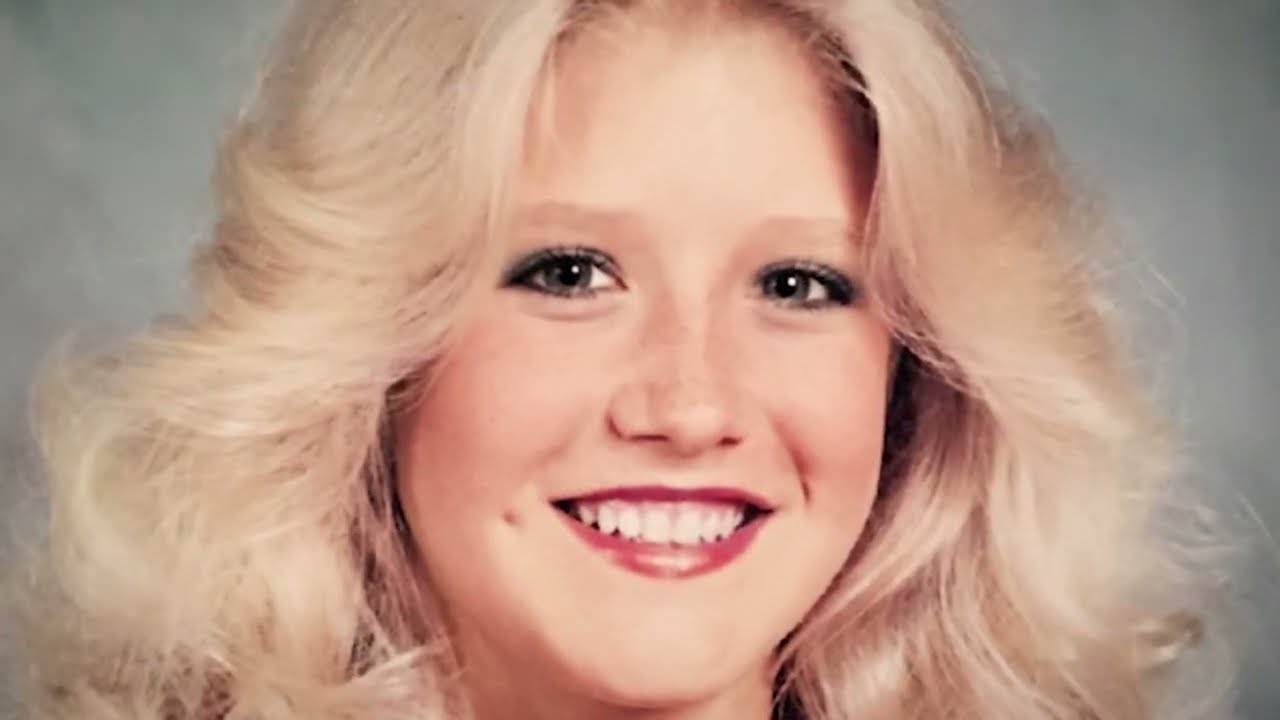
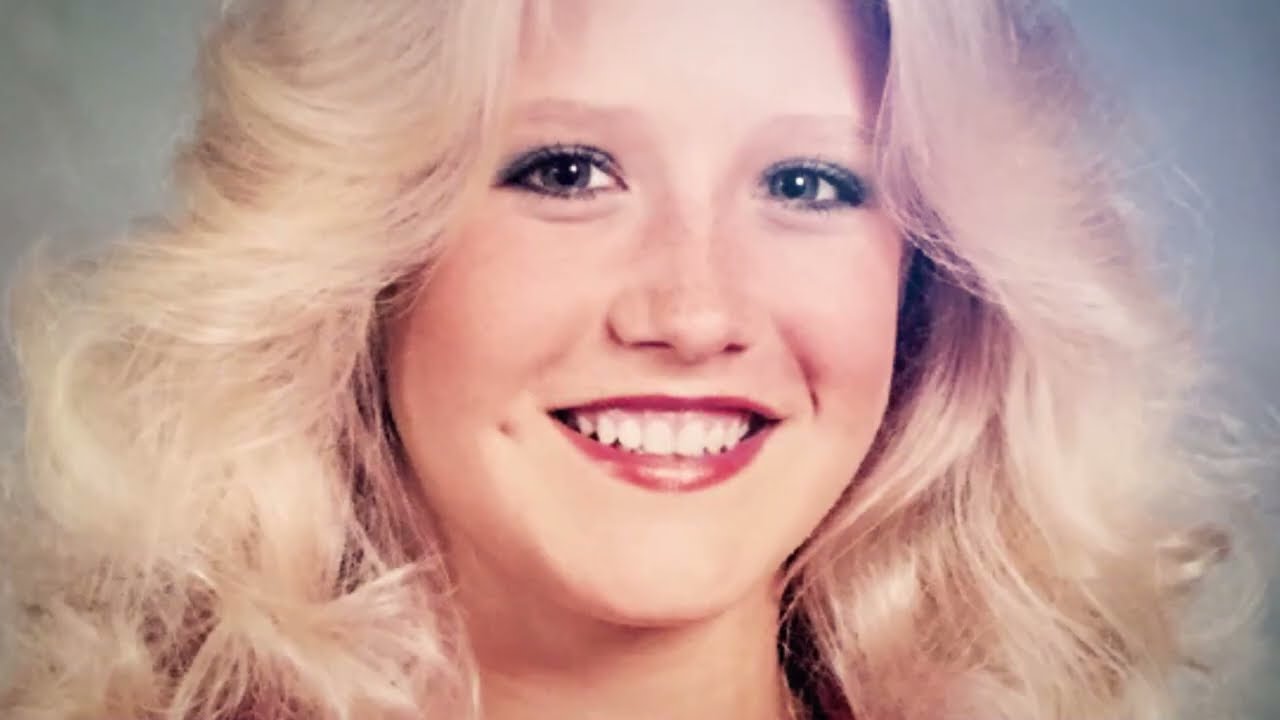
The story of Larry Gene Bell’s final day is a story of calculated terror, a decade of manipulation, and a family’s long wait for closure. It began 11 years earlier, in late spring 1985, when the Smith family received a letter handwritten on a yellow legal pad. It came from Sherry, their 17-year-old daughter who had vanished from their driveway in broad daylight.
The title was haunting: “Last Will and Testament.” The content was chilling: “I’ll be with my father now, so please, please don’t worry. Don’t ever let this ruin your lives.
I know y’all love me and will miss me very much. Love y’all so damn much.” But something was off.
Her mother recognized the handwriting, but the words weren’t all Sherry’s. Someone had dictated every line, turning her goodbye into a script.
The family had been harassed by cruel, calculated phone calls from an anonymous man claiming he had her. “This is no hoax. I got Sherry right here.
She’s wearing white shorts and a tank top. I could see the fear of God in her,” the voice said. The FBI traced the calls to payphones, different towns, different booths.
Police arrived within minutes, but the voice was always gone. Always one step ahead. Until day five.
A strange turn: “Listen carefully. Take Highway 378 west to traffic circle. Take Prosperity exit.
Go 1 and 1/2 miles. Turn left at White Frame Building. We’re waiting.
God chose us.” The directions led to a field where they found Sherry—too late. “I gave her the choice and she picked suffocation,” the caller later said.
“Tell the coroner so he gets it right.”
The family was shattered, but there was no time to grieve. The phone kept ringing, even on the night of the funeral. He called.
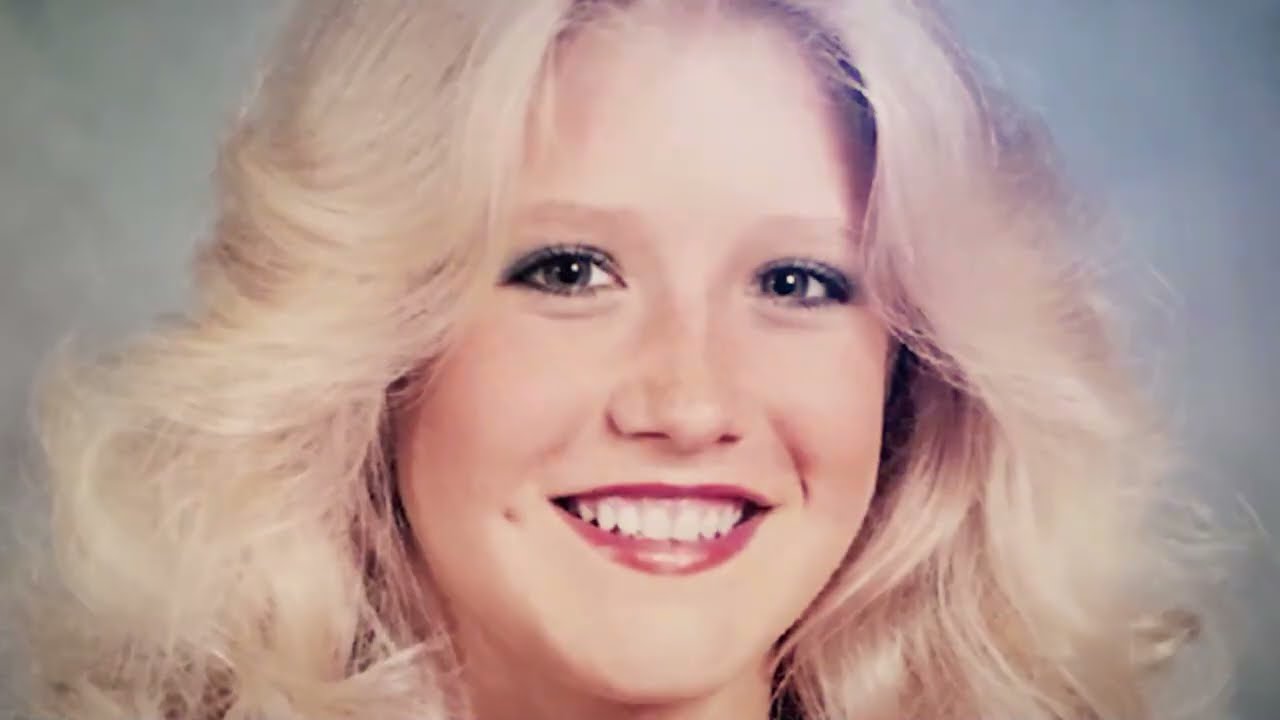 Committing a horrific crime wasn’t enough for him—he wanted to manipulate the families of his victims. FBI profiler John E. Douglas later said Bell proved it with a second set of directions delivered the same way.
This time, Sherry’s sister Dawn answered. “Go one north, one west. Turn left at Peach Festival Road or Bill’s Grill.
Go 3 1/2 miles through Gilbert. Turn right last dirt road before stop sign at Two Notch Road. Go through chain and no trespassing sign.
Go 50 yards into the left. Go 10 yards.” But this time, he had already made clear what they would find.
“Deborah is waiting. God forgive us all.”
On June 14th, two weeks to the hour after Sherry Smith was kidnapped, another girl was abducted. This time from a trailer park in Richland County. Deborah May Helmick, nine years old, snatched from the front yard.
Her little brother watched. Investigations led nowhere. Nothing but dead ends.
Except for one thing: those yellow lined pages. Sherry’s goodbye. The FBI ran them through advanced electrostatic detection apparatus, which pulled up ghost impressions invisible to the naked eye—marks from sheets written on top.
They found a phone number, partial but enough. It led to Ellis and Sharon Shepard, a South Carolina couple out of town during the crime. But their house wasn’t empty.
They had left someone in charge: a man named Larry Gene Bell.
Already in the system for assaulting women, Bell was never a suspect until now. A search of the Shepard home uncovered matching hairs, fibers, yellow legal pads, and stamps. A warrant went out, surveillance posted, roadblocks set.
The next morning, just after sunrise, he drove straight into the trap. No chase, no struggle. “This is about those two girls.
Can I call my mama?” he reportedly said. What followed were two trials and two death sentences, one for Sherry, one for Deborah.
 A confession never came. The closest he ever got was in an interview with FBI profiler John E. Douglas.
“All I know is that the good Larry Gene Bell couldn’t have done this, but the bad Larry Gene Bell could have.” Remorse was never part of him. It was always about control.
Now, a decade later, control was no longer his. He was just a man waiting in full isolation with little more on the schedule than routine checks and passing guards. By late afternoon on October 3rd, no one had come for him all day.
He once had a family—married in his early 20s to a 16-year-old girl, a son named Cody, his treasure. But after Larry’s divorce, Cody moved out of state, the distance became permanent. There were siblings, too.
Three sisters, one brother, aging parents, Margaret and Archie. They had testified for him and watched him fade, quieter, colder, slipping further away. Eventually, they stepped back.
Two detectives drove in from Charlotte that morning, hoping for one final conversation. They were not chasing justice—they came looking for answers. Bell matched the profile in several unsolved cases, and those left behind were desperate for closure.
“When he dies, so does the best chance of finding them,” one detective said. Bell refused. No answers, no conversation.
A food tray arrived at 6 p. m. , hamburger, rice and gravy, fried okra, cornbread, and iced tea.
Institutional default. He didn’t make a special request. He never touched a bite.
As warm winds turned cool, the crowd began to swell outside the prison. Some came to protest. Most came to cheer.
“𝓀𝒾𝓁𝓁 the son of a bitch!” was their favorite chant. “There’s a lot more people than I’ve seen out here.
This is probably my fourth one being out here. And there’s a lot more people protesting in favor of the death penalty,” one onlooker said. The air was charged, and finally it cracked.
Deborah Helmick’s father, barely holding on, snapped. A protester stepped in too close, candle raised to his face. A flash, shouting, shoving.
 Police stepped in fast, cutting it off before it could explode.
October 4th, 1996, had arrived. The official witnesses sat in silence, lined up in a row of chairs. Among them, Rick Cartrette, Sherry Smith’s uncle.
“It will give me nightmares,” he said. But he did it for Sherry. Her parents did not.
They found closure long before. And though this execution was officially for Sherry’s case, Deborah Helmick’s mother was there, too. Across the glass, Bell sat upright, strapped in, leather shroud cinched tight across his lap.
No resistance, no final words. He never even opened his eyes. One media witness recalled, “On the warden’s signal, three executioners pressed a button.
Only one sent the fatal charge. No one would ever know who.” The first surge hit: 2,000 volts at 5 amps, then two lighter bursts per protocol.
Bell stiffened slightly with the first jolt, then stopped moving. One witness called it clinical, quick. Deborah’s mother sat expressionless as the physician stepped forward.
At 1:12 a. m. , he pronounced Larry Gene Bell dead.
Old Sparky delivered, just like it always had.
Evil hides in plain sight. The final 24 hours of Larry Gene Bell were a testament to the darkness that can lurk in a man’s soul, the manipulation of a system, and the families left behind. He claimed he would ascend through fire straight to heaven.
Instead, he faced the only throne waiting for him: South Carolina’s electric chair. The machine kicked into gear, and time no longer humored his delusions. He had less than 24 hours left, one final day ticking down toward reckoning.
And when it came, the crowd outside cheered, the witnesses sat in silence, and the father of a nine-year-old girl snapped. The state had its justice. But for the families, the scars remain.
Sherry is now part of him, he said. But he took her away, and now he is gone. The question remains: how many more victims did he take with him?
The detectives who came that day drove home empty-handed. The answers died with Larry Gene Bell. And the world moves on, but the warning echoes: evil hides in plain sight.
Keep your loved ones close.


