
A newly circulated jailhouse recording has reignited debate over the 2021 murder of Memphis rapper Young Dolph, after a man identified online as alleged suspect Straight Drop appeared to discuss a broken business relationship that allegedly turned into hostility.
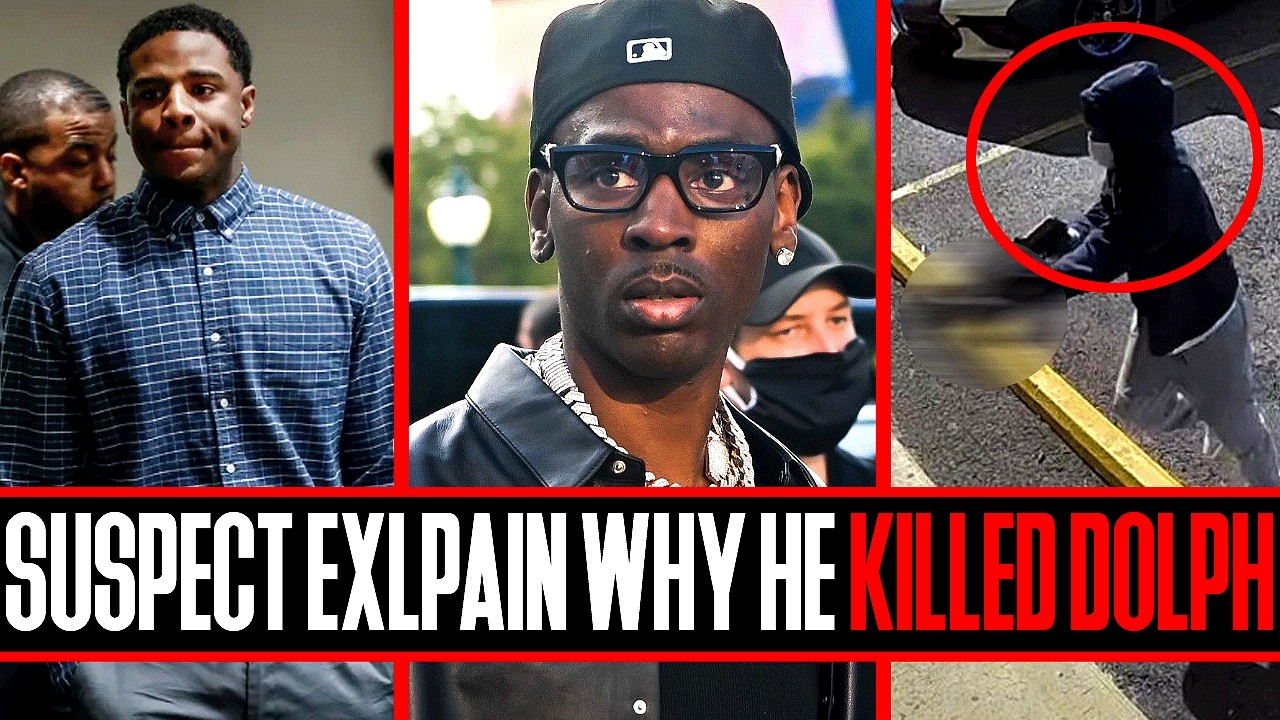
In the recording, shared by the Never Say Podcast, the speaker claims he was once invited into Young Dolph’s Paper Route Empire circle but became viewed as an enemy after rejecting a proposed label deal.
“When I declined the offer, I was an opp then,” he said, describing an atmosphere in which conversations allegedly stopped whenever he entered the room and people around the label began acting differently toward him.
The recording has not been independently authenticated in court, and the comments do not establish guilt. Still, the speaker’s repeated claims of feeling disrespected and targeted have sparked intense criticism because they appear to offer a possible motive rooted in wounded pride.
That explanation has left many fans unconvinced.

Young Dolph built much of his reputation around independence, famously rejecting major-label opportunities and encouraging artists to control their own careers. Critics therefore question why he would allegedly punish another artist for making a similar choice.
The speaker also accused unnamed associates of spreading rumors and betraying him, but offered few details that could be verified.
When pressed on why he did not simply walk away from the situation, his answers reportedly became less direct. At one point, he suggested Dolph had damaged his reputation. The interviewer responded by arguing that most people did not know the suspect’s name until after Dolph’s death.
The conversation also touched on Cornelius Smith, another man charged in connection with the case. Smith has previously been linked in court testimony to allegations involving money and promises of music-industry opportunities. The speaker in the recording did not clearly address those claims.

Legal observers say prosecutors could attempt to use any authenticated statements about resentment, rejection, or hostility as evidence of motive. Defense attorneys, however, would likely challenge the recording’s context, accuracy, and admissibility.
Young Dolph, born Adolph Thornton Jr., was fatally shot while visiting a Memphis bakery in November 2021. He was 36.
For supporters who remember him as a father, businessman, and community figure, the alleged explanation feels painfully empty.
Was the killing really fueled by a rejected deal and bruised loyalty—or is the jailhouse call only one fragment of a much larger story?
Until the evidence is tested in court, the truth remains buried beneath accusations, betrayal, and a city still demanding justice.