Every summer, zucchini becomes the garden joke that refuses to stop growing.
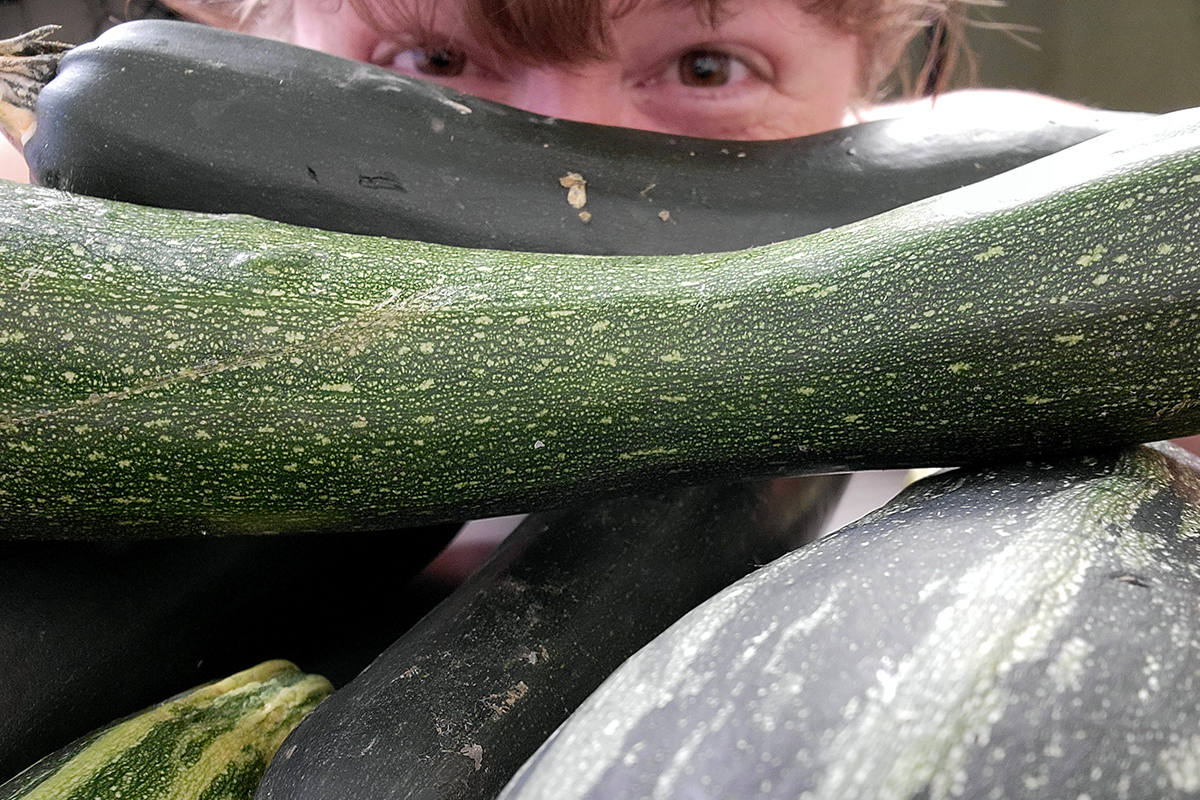
One day, you spot a tender little squash under the leaves. The next day, it has turned into something that looks less like dinner and more like sporting equipment. Gardeners compare oversized zucchini to baseball bats, billy clubs and small boats for a reason. Once a zucchini plant gets going, it does not politely produce one or two fruits a week. It launches a full-scale harvest.
That is wonderful at first.
Then the questions begin.
How much zucchini bread can one household eat? How many stuffed zucchini boats are too many? How many neighbors can you casually surprise before they start locking their doors?
At some point, freezing zucchini becomes the obvious solution. But if you have ever tried freezing summer squash the usual way, you may already know the disappointment. Cubed or sliced zucchini often turns soft and watery after thawing. What went into the freezer as tender summer squash can come out looking more like vegetable soup.
There is a better way.
Instead of slicing, cubing and blanching zucchini, grate it, portion it, flash freeze it and store it in freezer bags. This method is simple, fast and perfect for using zucchini later in bread, muffins, soups, pasta, casseroles, stir-fries and fritters.
Even better, there is no blanching required.
Blanching is usually recommended before freezing vegetables because it slows the enzymes that cause food to lose color, flavor and nutrients over time. The process involves briefly boiling vegetables, then plunging them into ice water to stop the cooking. It works, but it also adds time, mess and extra steps.
With zucchini, the bigger problem is texture.
Zucchini is mostly water. When it freezes, that water forms ice crystals inside the plant cells. As the ice expands, it damages the cell walls. Once the zucchini thaws, those damaged cells collapse, leaving the squash softer than it was before freezing.
That is why frozen zucchini will never behave exactly like fresh zucchini.
Commercially frozen vegetables often hold their texture better because they are frozen extremely quickly, producing smaller ice crystals. Home freezers work much more slowly, which creates larger crystals and more damage to the vegetable’s structure.
Grating the zucchini solves part of that problem.
Since shredded zucchini is already broken down, you are not expecting firm slices after thawing. Instead, you are preserving it in the form most useful for cooking and baking. It blends easily into quick breads, fritters, sauces, soups and skillet meals. It is convenient, portioned and ready to use.
To freeze zucchini this way, start by gathering fresh zucchini from the garden. Medium-sized zucchini are usually best because they are tender and not overly seedy. Wash them well, then trim off the tops and bottoms.
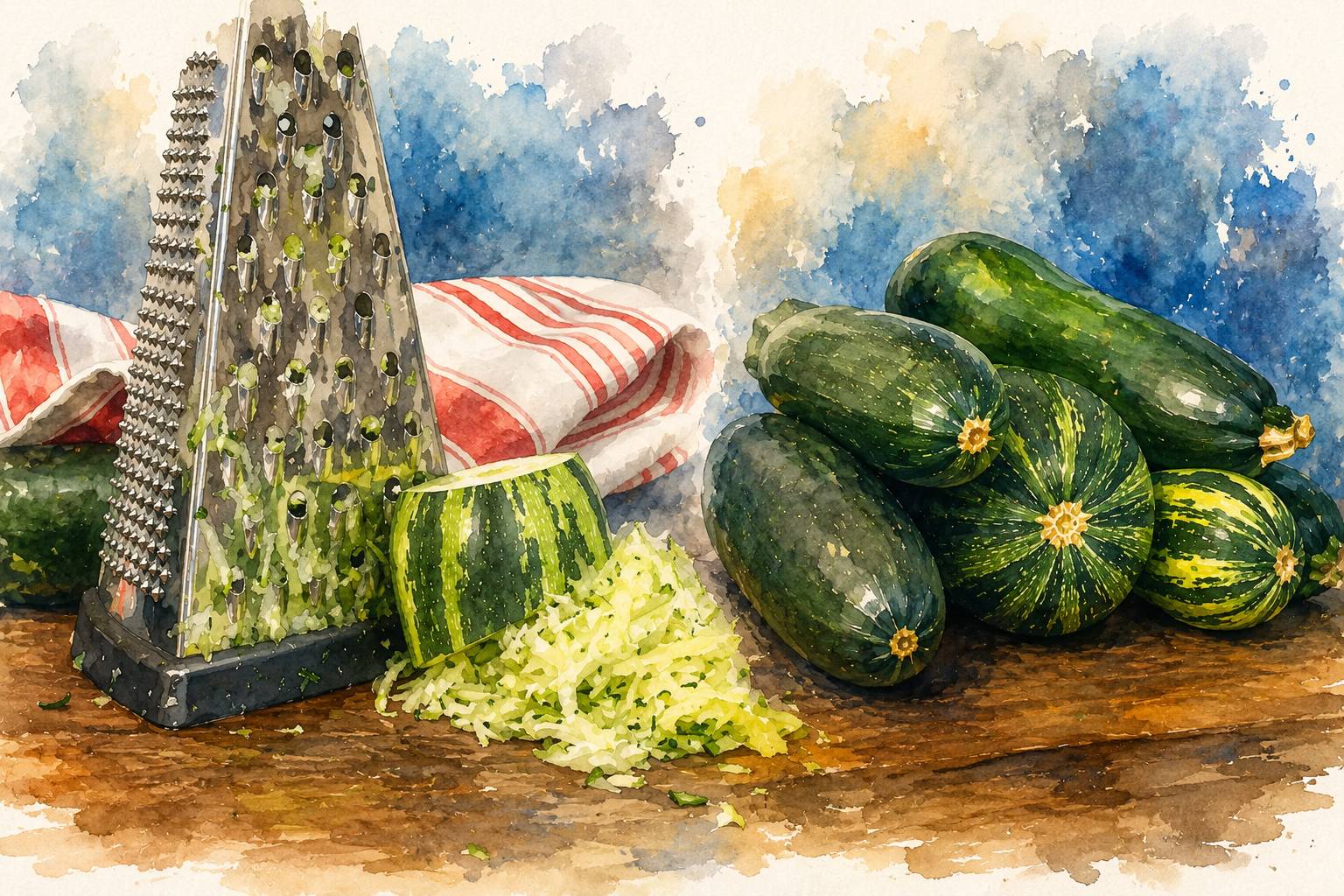
Next, grate the zucchini using a food processor, mandoline slicer or box grater. A food processor makes the job fastest, especially if you are dealing with a large harvest. A box grater works too, but it may leave your arms feeling like you earned an extra slice of zucchini bread.
Place the grated zucchini in a colander set in the sink. As the zucchini collects, gently press it to remove some of the excess liquid. You do not need to squeeze it completely dry, but removing extra water helps reduce freezer ice and makes the zucchini easier to use later.
Line a baking sheet with parchment paper.
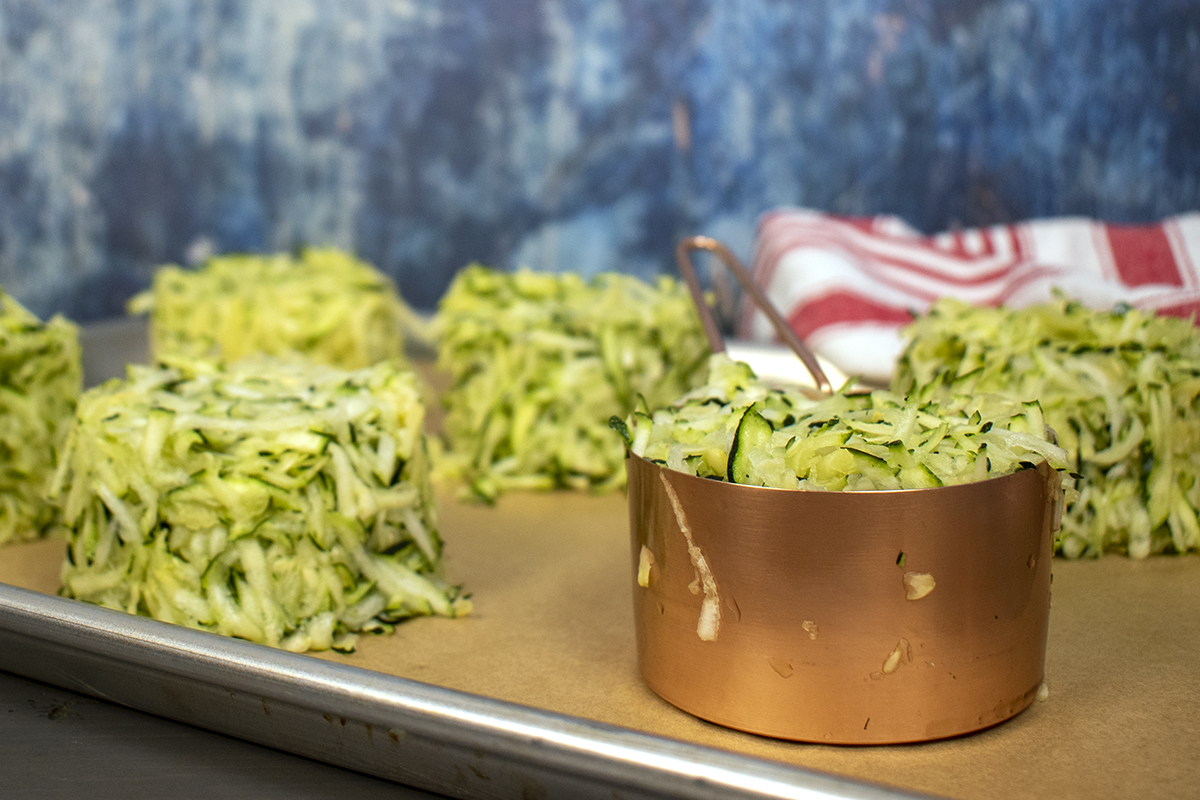
Using a one-cup measuring cup, pack shredded zucchini into the cup, then turn it out onto the parchment-lined baking sheet. Repeat until the tray is filled with small one-cup mounds of grated zucchini.
Place the tray in the freezer until the zucchini portions are frozen solid.
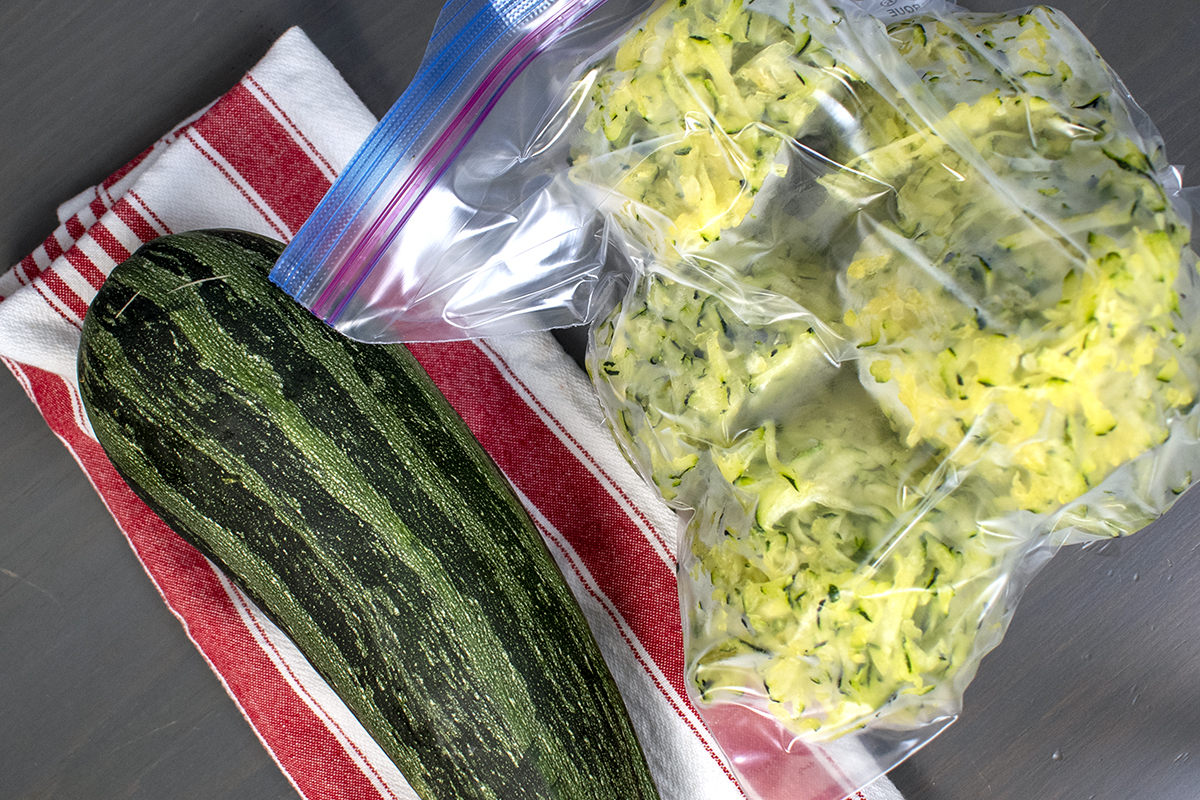
Once frozen, remove the zucchini mounds from the baking sheet and transfer them into a large freezer bag. Press out as much air as possible before sealing. If you want an even tighter seal, use a straw to suck out the remaining air just before closing the bag.
Now you have pre-measured one-cup portions of zucchini ready whenever you need them.
That is the real beauty of this method.
Instead of freezing zucchini in one large block or using a separate plastic bag for every portion, you flash freeze the measured portions first. Then they can all go into one freezer bag without sticking together. When a recipe calls for one cup, two cups or three cups of shredded zucchini, you simply grab what you need.
For baked goods such as zucchini bread or muffins, thaw the zucchini first and drain off excess liquid if the recipe requires it. For soups, pasta sauces, casseroles or stir-fries, you can often add the frozen zucchini directly to the pan.
This method will not give you crisp zucchini slices in the middle of winter. No home-freezing method really will. But it will give you something far more practical: an easy supply of garden zucchini that is already shredded, portioned and ready to cook with.
It is also a good reminder that preserving the harvest does not have to be complicated.
You do not always need a giant canning project, a sink full of ice water or an afternoon blocked off for blanching vegetables. Sometimes the simplest method is the one you will actually use.
And when zucchini season hits hard, that matters.
Because while you are standing in the kitchen grating today’s harvest, there is a very good chance your plant is outside quietly growing tomorrow’s problem.
So freeze it now.
Your winter self will be grateful.