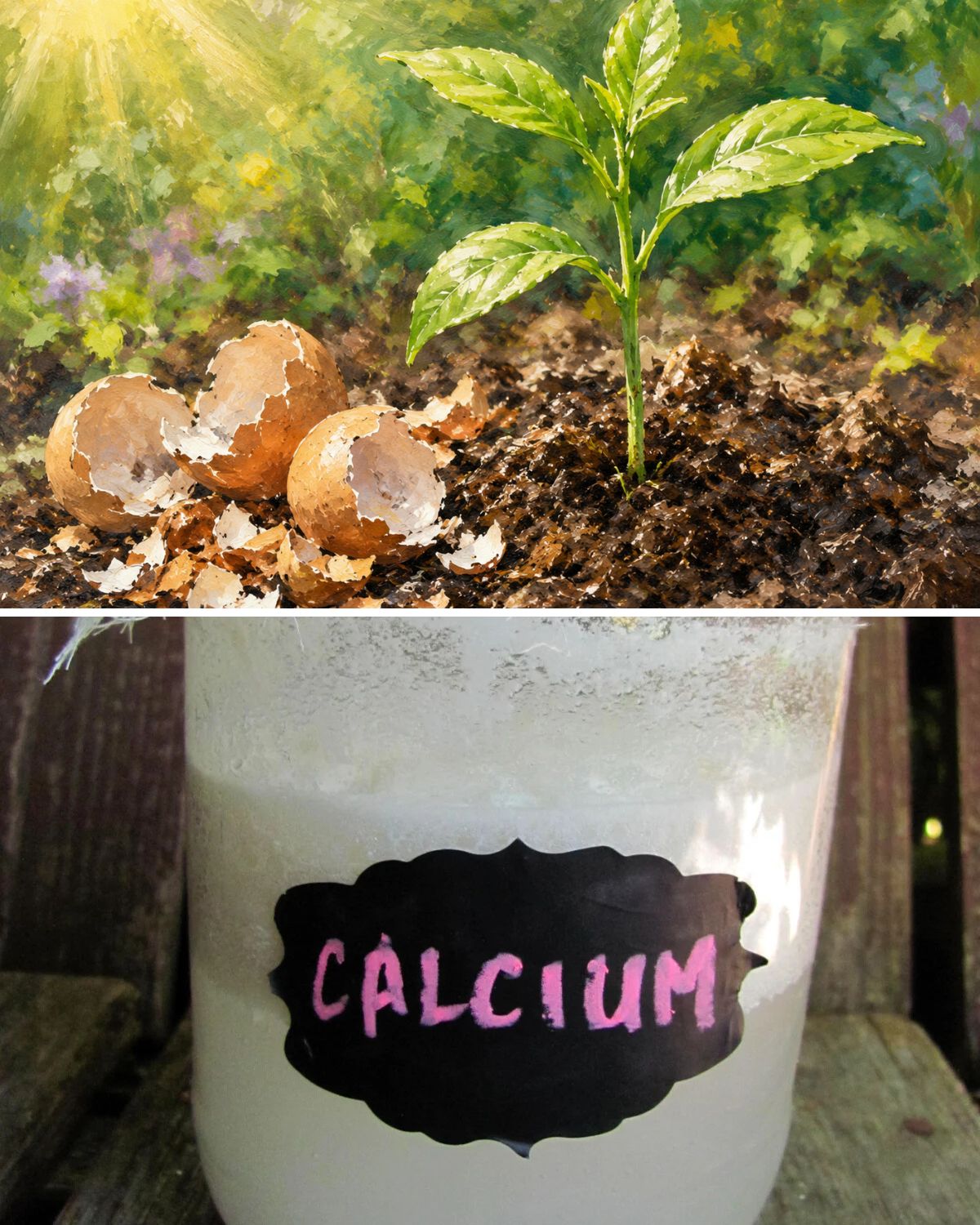
Every gardener dreams of a vegetable patch filled with strong pepper plants, crisp leafy greens and tomatoes so plump and perfect they look almost too good to pick.
But sometimes the garden tells a different story.
Tomatoes begin rotting at the bottom before they ripen. Leaf tips look scorched. New growth appears weak, twisted or distorted. Fruits fail to develop properly, and once-promising plants start to look stressed for reasons that are not immediately obvious.
One common cause behind these problems is calcium deficiency.
Calcium is one of the essential nutrients plants need to grow well. It helps build strong cell walls, supports root development, assists nutrient transport and plays an important role in fruit quality. When plants receive enough calcium, they are better able to produce firm stems, healthy leaves and well-formed fruit.
When they do not, the symptoms can be dramatic.
In tomatoes, peppers, squash, cucumbers and melons, calcium deficiency is often linked to blossom end rot — the dark, sunken, rotting patch that appears at the bottom of developing fruit. In leafy greens, cabbage, cauliflower and other crops, a lack of available calcium can lead to damaged tips, poor growth and weakened plant tissue.
The problem is that calcium can be tricky.
Even when calcium is present in the soil, plants may not be able to use it properly. Hot weather, cold snaps, drought, overwatering, acidic soil, salty soil or inconsistent moisture can all interfere with calcium uptake. That means your soil may contain calcium, but your plants may still show signs of deficiency.
That is why a liquid calcium spray can be so useful.
Instead of waiting months for crushed eggshells to break down in the soil, you can turn eggshells into a water-soluble calcium fertilizer and apply it directly to plant leaves. This foliar spray helps deliver calcium where it is needed faster, especially when soil conditions are preventing roots from taking it up efficiently.
The best part is that it costs almost nothing.
Eggshells are made mostly of calcium carbonate, making them one of the easiest free calcium sources available to home gardeners. Sprinkling crushed eggshells around plants is helpful as a long-term soil-building practice, but it works slowly. The shells must break down, dissolve and become available in a form roots can absorb — a process that can take months.
Liquid calcium speeds things up.
To make it, you only need eggshells, white vinegar and time.
Start by saving at least 10 eggshells. Each time you crack an egg, rinse the shell with cool water to remove any remaining egg white, then set the shell aside to dry. Once you have enough, spread the shells on a baking sheet and heat them in the oven at 200°F for about 30 minutes. This step helps dry and sterilize the shells before you turn them into fertilizer.
After the shells cool, crush them into a fine powder. A blender, coffee grinder, food processor, mortar and pestle or rolling pin can all work. The finer the powder, the faster it will react with vinegar.
Next, combine the powdered eggshells with distilled white vinegar. Use about 1 tablespoon of eggshell powder for every 1 cup of vinegar. Choose a jar or container that is much larger than the amount of liquid you are making, because the mixture will foam when the vinegar reacts with the calcium carbonate in the shells.
At first, it may bubble up like a school science project. That is normal.
Once the foaming settles, stir the mixture well with a wooden spoon. Cover the jar with a breathable material such as cheesecloth, a coffee filter or a paper towel, and secure it with a rubber band.
Then wait.
The vinegar needs about two weeks to break down the eggshell powder and create a calcium-rich liquid. Keep the jar in a cupboard or another cool, dark place, and stir it every few days. After about two weeks, the liquid should look thin and milky. If bits of eggshell remain, let it sit a few more days or strain them out.
This finished solution is concentrated and acidic, so do not apply it directly to plants.
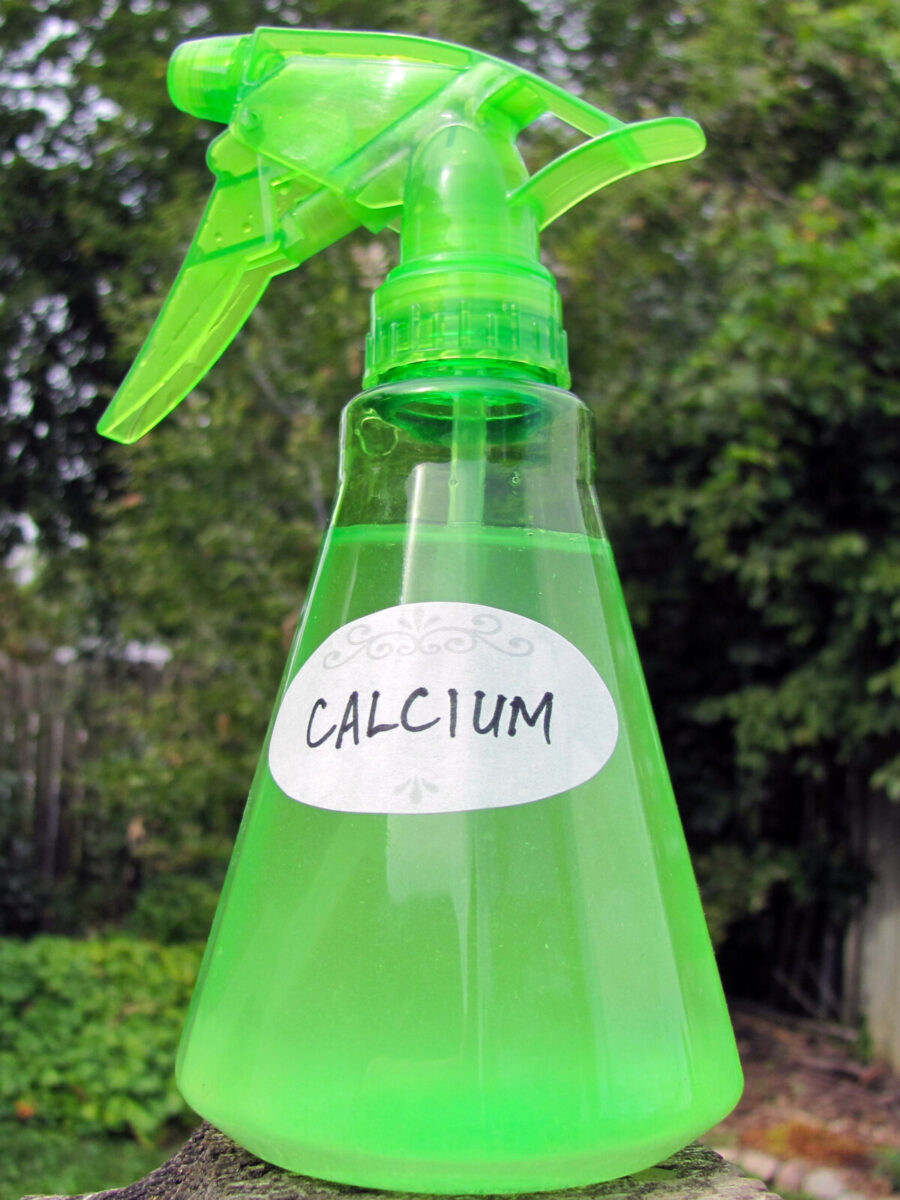
Dilute it first by mixing 1 part liquid calcium with 5 parts water.
Once diluted, transfer the mixture to a spray bottle and use it as a foliar spray on calcium-loving crops. Tomatoes, peppers, cucumbers, zucchini, pumpkins, melons, lettuce, broccoli, cabbage, cauliflower, apple trees and cherry trees can all benefit from a calcium boost.
For fruiting crops such as tomatoes and peppers, the best time to spray is before flowers set fruit or shortly after blossoms open. This helps provide calcium before problems like blossom end rot begin.
Before spraying the whole plant, test a small area first. Apply the diluted spray to a few leaves and wait a couple of days. If the leaves show no signs of burning, wilting or discoloration, you can treat the rest of the plant.
When spraying, be thorough. Mist the tops and undersides of the leaves, as well as stems and growing tips. Apply in the evening or on an overcast day so wet leaves do not scorch in direct sun.

If your garden has received heavy rain or your plants need root support as well, the diluted solution can also be used as a soil drench. Pour it around the base of the plant so the roots can take up the calcium through the soil.
Any leftover liquid calcium can be stored for future use. Seal it tightly with a lid and keep it in a cool, dark place. It should last for several months and may remain usable for up to a year.
This homemade fertilizer is not a miracle cure for every garden problem. Blossom end rot, for example, is often caused by inconsistent watering as much as by low calcium availability. To prevent it, keep soil evenly moist, mulch around plants, avoid overfertilizing with nitrogen and make sure crops are not stressed by drought or flooding.
But when your plants need calcium quickly, eggshell liquid calcium is one of the easiest homemade remedies you can make.
It turns kitchen scraps into a useful garden feed.
It costs pennies.
And it gives tomatoes, peppers and other hungry crops a better chance at producing strong stems, healthy leaves and firm, beautiful fruit.
Sometimes the best garden solutions are not found in a bag at the store.
Sometimes they are sitting right in your breakfast bowl.