Every gardener who grows tomatoes and peppers knows the same dangerous optimism.
You start the season thinking a few plants will be enough. Then you imagine pests, bad weather, mysterious plant diseases, weak seedlings, neighborhood squirrels and every other possible disaster. So you plant extra.
Then summer does what summer does.
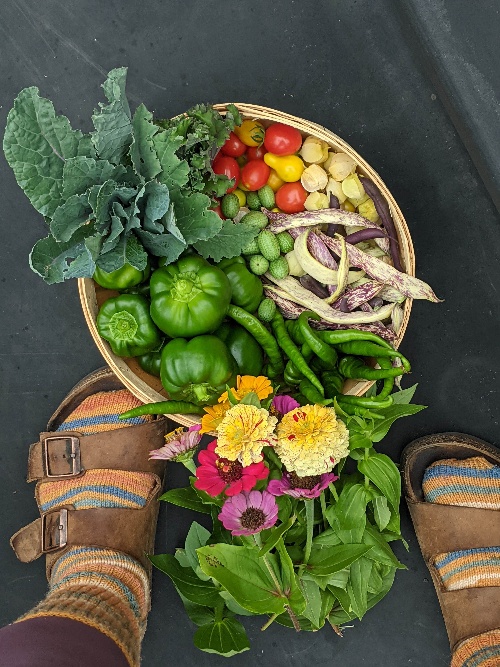
Suddenly, the tomato plants are leaning like tired giants, the pepper plants are producing like they signed a contract, and your kitchen counter looks less like a harvest and more like a mild agricultural emergency. If jalapeños are the crop taking over your life, there is one sweet, spicy, addictive solution: Cowboy Candy.
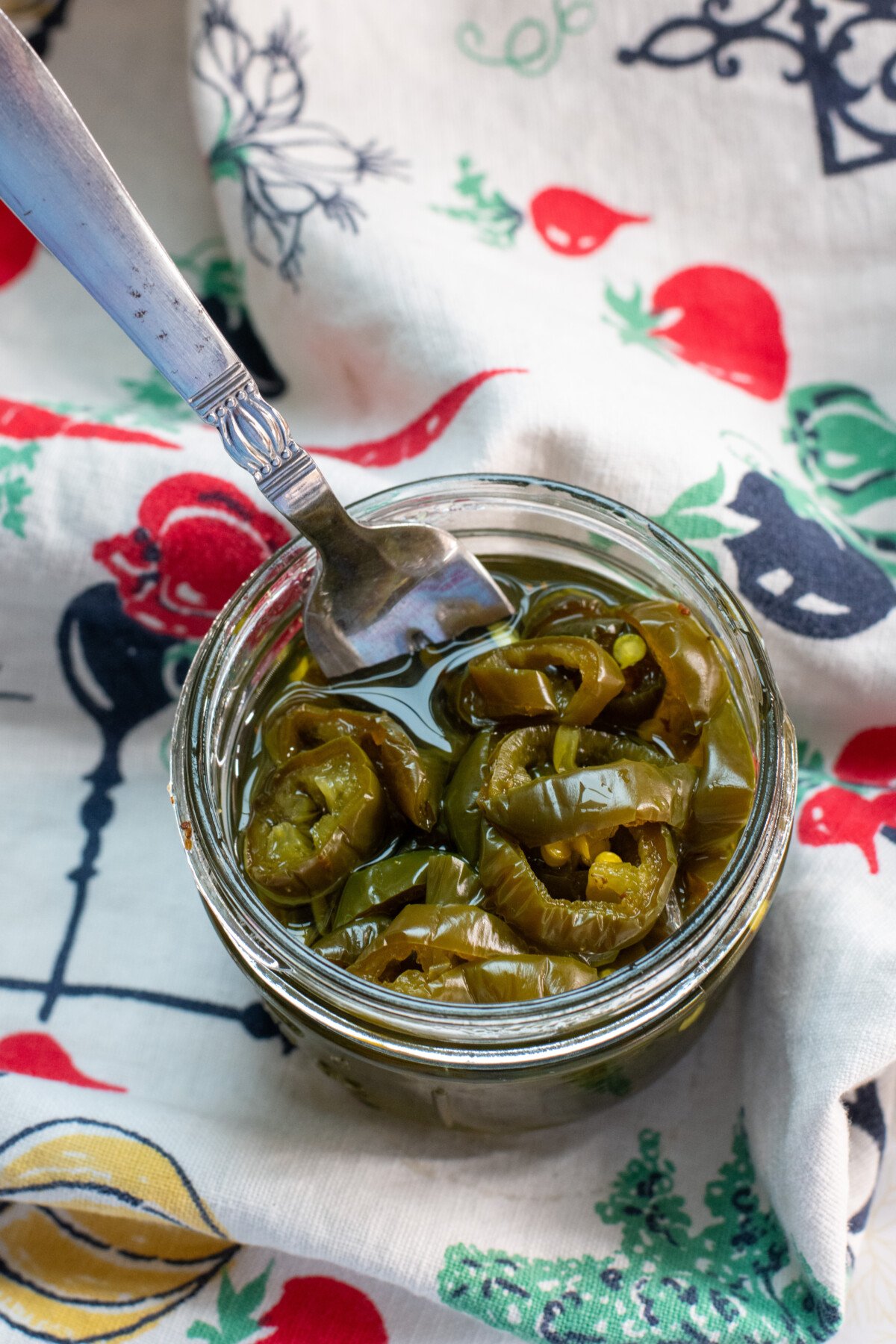
Cowboy Candy is the old-school nickname for candied jalapeños. Fresh pepper slices are simmered in a sweet, tangy, garlicky syrup until they become glossy, punchy and irresistible. They are spicy, but not in a “why did I do this to myself?” way. The sugar and vinegar balance the heat, turning a bumper crop of jalapeños into something you can spoon over cream cheese, pile onto burgers or tuck into Christmas gift baskets when you suddenly realize you forgot to buy something thoughtful.
The best Cowboy Candy starts with peppers picked at the right moment. Jalapeños are usually ready when they are glossy, firm and about 3 to 4 inches long. Deep green peppers will give you a bright, classic flavor, while red jalapeños bring more sweetness and deeper heat because they have stayed on the plant longer. Those light brown lines on the skin, often called corking, are not damage. They are usually a sign that the pepper has matured well.
For best flavor, harvest in the cool of the morning, when the plant is hydrated and the peppers are at their freshest. Then bring them inside and prepare yourself for the most important rule of jalapeño preservation: wear gloves.
This is not optional unless you enjoy regret.
Jalapeño oils can linger on your fingers long after you think you have washed them off, and one absent-minded touch to the eye can turn a pleasant preserving project into a dramatic household event. Rinse the peppers well, trim off the stems, and slice them into thin rounds, about ⅛ to ¼ inch thick. Remove the seeds if you want a milder batch, or leave some in if your family enjoys a little more heat.
For a standard batch, you will need 3 pounds of fresh jalapeños, 2 cups of apple cider vinegar, 6 cups of granulated sugar, ½ teaspoon of turmeric, ½ teaspoon of celery seed, 1 tablespoon of mustard seeds and 1½ teaspoons of garlic powder.
In a large pot, combine the vinegar, sugar and spices. Bring the mixture to a hard boil, then reduce it to a simmer for about 5 minutes. Bring it back up to a rapid boil, add the sliced jalapeños, and simmer them for about 4 minutes. The peppers should soften slightly while still holding their shape and color.
Once the peppers are ready, use a slotted spoon to pack them into hot half-pint jars, leaving ¼ inch of headspace. Headspace matters in canning because food expands during processing and the empty space helps a vacuum seal form as jars cool. The National Center for Home Food Preservation explains that canning directions specify headspace to allow for expansion and proper sealing.
After packing the peppers, simmer the syrup for another 5 minutes, then ladle it over the jalapeños, again leaving ¼ inch of headspace. Use a chopstick, bubble remover or butter knife to release trapped air bubbles. Wipe the rims clean, center the lids and screw the bands on finger-tight.
Now comes the canning stage, also known as the part where your glasses fog up, your kitchen gets steamy and you wait for the deeply satisfying “plink” of sealing jars.
Place the filled jars in a boiling-water canner or a deep stockpot fitted with a rack. The jars should be covered by at least 1 inch of water during processing. The National Center for Home Food Preservation says boiling-water canners should be deep enough so that at least 1 inch of briskly boiling water covers the tops of jars.
Process the jars for 15 minutes once the water returns to a full boil. Because this processing time is longer than 10 minutes, the jars do not need to be sterilized beforehand as long as they are clean and hot. The National Center for Home Food Preservation states that jars used for pickled or fermented foods processed for 10 minutes or longer in a boiling-water canner do not need to be presterilized.
When the processing time is finished, carefully remove the jars and let them sit undisturbed for 12 to 24 hours. After they cool, check the seals by pressing the center of each lid. If the lid does not flex, the jar is sealed. If a jar does not seal properly, refrigerate it and use it within about a month.
The hardest part comes next: waiting.
Cowboy Candy tastes best after resting for 2 to 4 weeks. That time allows the peppers, vinegar, sugar and spices to settle into each other. The result is sweet, tangy, garlicky heat that tastes much more balanced than it does straight from the pot.
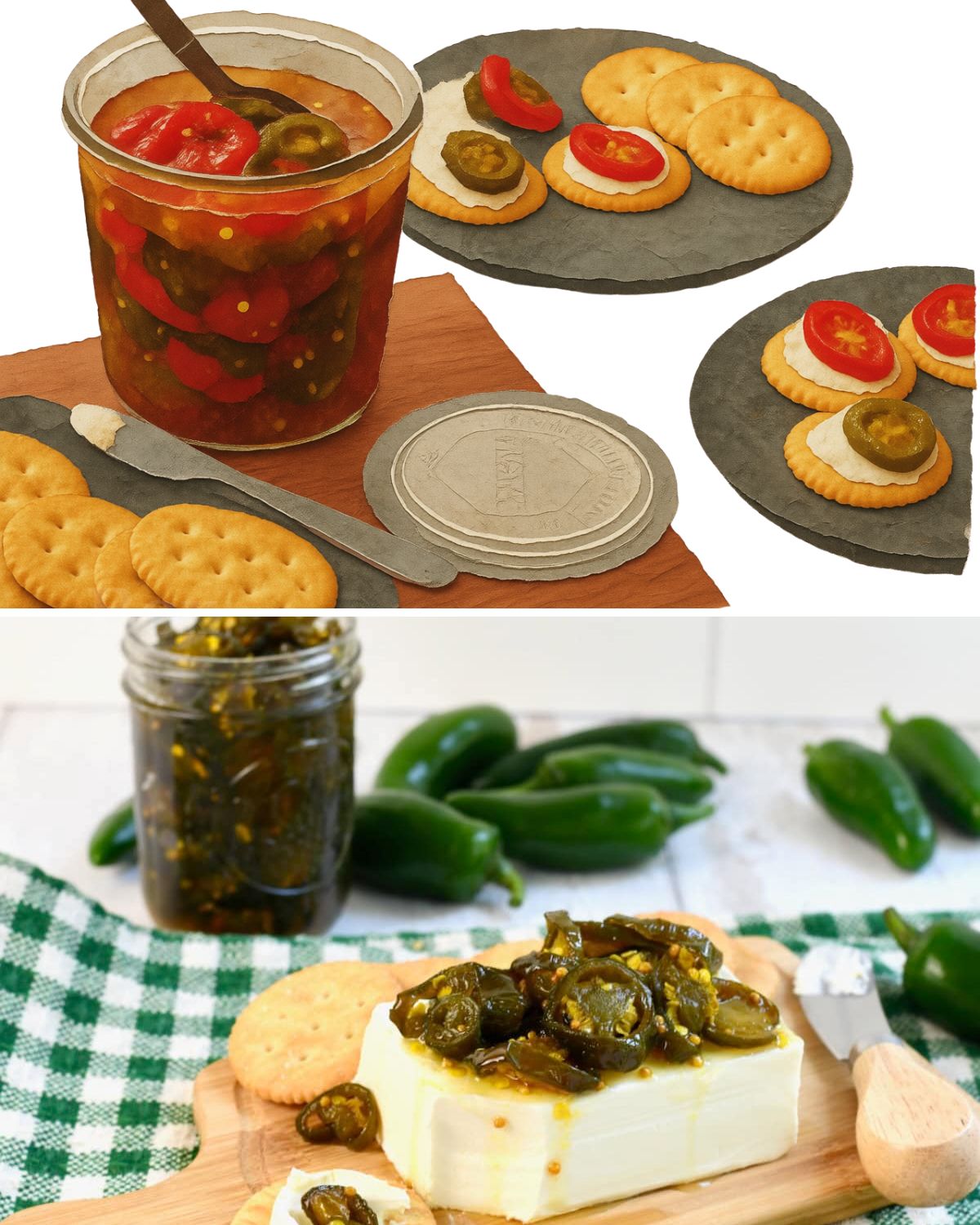
Once the jars are ready, the possibilities are almost endless. The classic serving method is simple: spoon the candied jalapeños over cream cheese and serve with crackers. But they are also excellent on burgers, hot dogs, brats, grilled cheese, quesadillas, pulled pork, brisket, deviled eggs and pizza.
And do not throw away the syrup.
:max_bytes(150000):strip_icc()/Cowboy-Candy-FT-RECIPE1223-57dd27be8f574aa186000b10e7b8e60e.jpg)
That leftover liquid is liquid gold. Drizzle it over cornbread, whisk it into salad dressing, brush it onto grilled meat, stir it into marinades or use it anywhere you want a sweet-spicy kick.
A single batch usually makes 4 to 6 half-pint jars, depending on how tightly you pack the peppers and how juicy the batch is. The whole process takes about 1 hour and 15 minutes from prep to finish, not counting the waiting period before opening.
For gardeners drowning in jalapeños, Cowboy Candy is more than a recipe. It is a rescue plan.
It turns an overwhelming harvest into shelf-stable jars of sweet heat, saves your counter space, and gives you the kind of homemade gift people will actually want.
Because when the pepper plants go too far, the best response is not panic.
It is vinegar, sugar, garlic, jars — and a little patience.