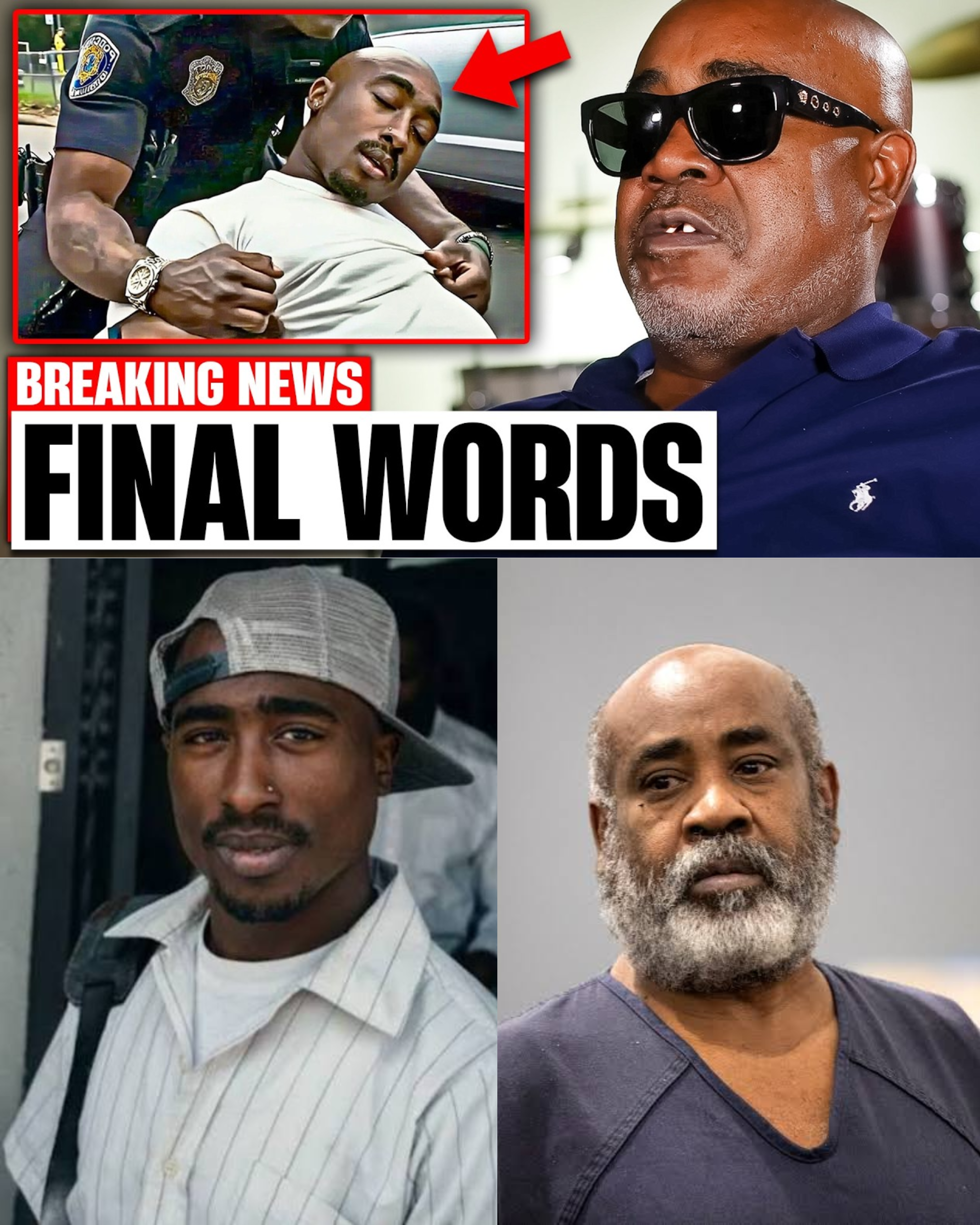
Nearly 30 years after Tupac Shakur was fatally shot in Las Vegas, the man accused of helping orchestrate the killing has reignited one of hip-hop’s darkest mysteries.

Duane “Keffe D” Davis, the only person ever charged in connection with Tupac’s 1996 death, continues to deny responsibility. Yet statements attributed to him in past interviews, police conversations, and recent jailhouse discussions have once again placed some of the music industry’s most powerful names under intense scrutiny.
Among the most explosive allegations is Keffe D’s claim that Sean “Diddy” Combs offered money for the deaths of Tupac and Death Row Records founder Suge Knight.
Combs has long denied involvement, and no court has found him responsible for Tupac’s murder. Still, the repeated mention of the alleged bounty has fueled fresh debate over whether the killing grew from a street confrontation—or a larger industry conspiracy.
The official timeline begins on September 7, 1996.
Tupac and Knight attended a Mike Tyson fight at the MGM Grand, where surveillance footage captured Tupac participating in an assault on Orlando “Baby Lane” Anderson, a Southside Crips member. Hours later, a white Cadillac pulled beside the black BMW carrying Tupac and Knight at a Las Vegas intersection.
Gunfire erupted.
Tupac was struck four times and died six days later. Knight survived.
Prosecutors allege Keffe D was inside the Cadillac and helped organize the attack. Keffe D has acknowledged being present in various public accounts, but he has disputed the state’s interpretation and insists he is not guilty of murder.
His latest reported comments add new layers of uncertainty.
He has described Tupac leaning from the BMW before the shooting and suggested someone inside the Cadillac fired after believing Tupac was reaching for a weapon. He has also expressed regret over the chain of events, while stopping short of accepting legal responsibility.

Other theories continue to surround Suge Knight, including speculation that Tupac planned to leave Death Row Records. No verified evidence has established that Knight ordered the killing.
That is what makes the case so explosive: nearly every answer creates another question.
Was Tupac killed because of the casino fight? Was money offered beforehand? Or has three decades of rumor transformed conflicting stories into accepted truth?
Keffe D’s trial may finally force those questions into a courtroom.
Until then, hip-hop’s most famous murder remains trapped between confession, conspiracy, and silence.
:max_bytes(150000):strip_icc():focal(749x0:751x2):format(webp)/gary-siders-jr-elizabeth-siders-070826-daf5708529c74573ba1a2c05cb85ddde.jpg)