Prince Harry’s long-running confrontation with the British media has reached another bitter turning point. After a significant part of his legal action involving Associated Newspapers Limited was dismissed, the Duke of Sussex’s strategy for dealing with the press has once again come under intense scrutiny.
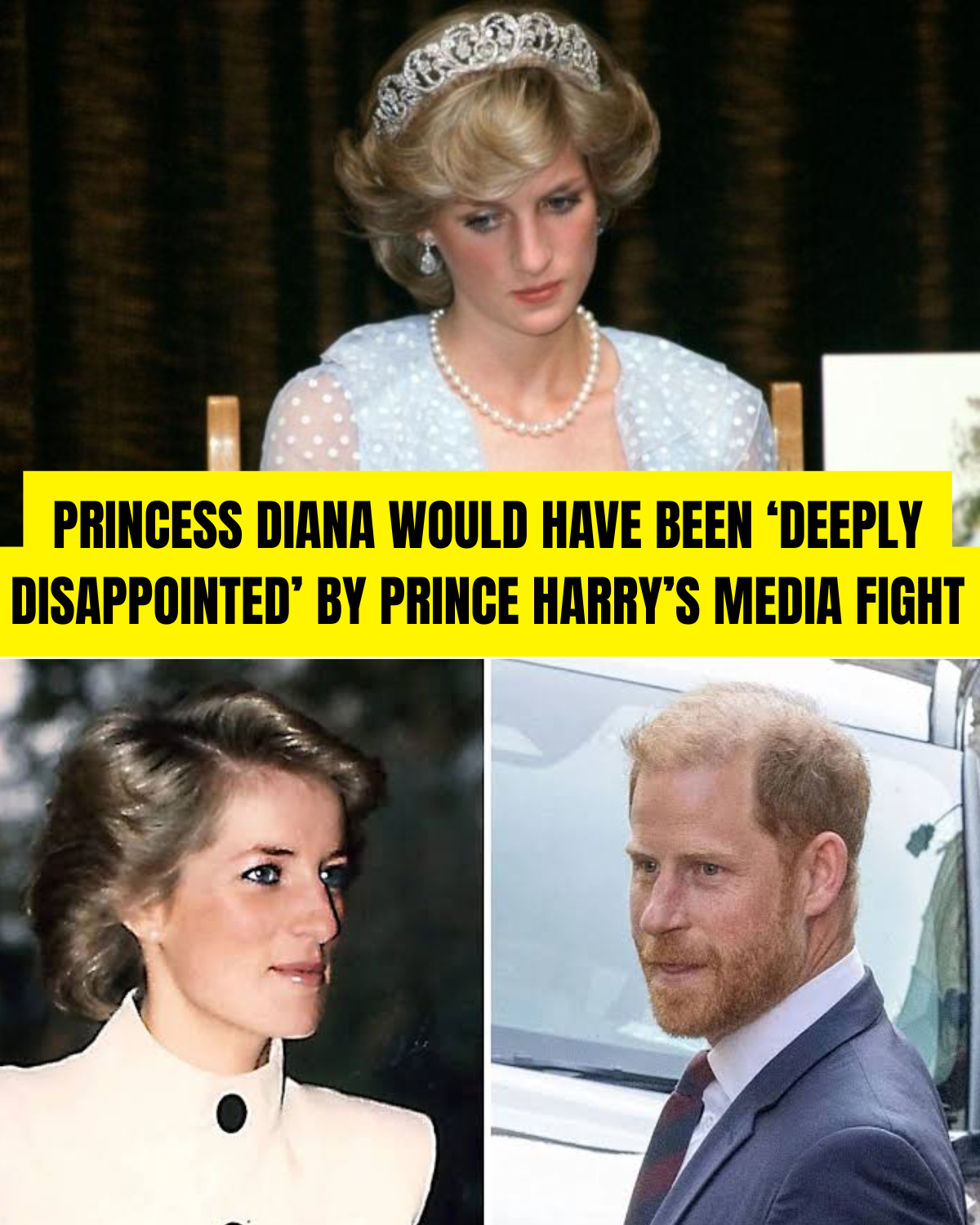
Yet the courtroom setback is not the only reason the story has captured public attention. Even more explosive is the claim from royal sources that Princess Diana may have been “deeply disappointed” by the way her younger son has chosen to handle his relationship with the media.
Harry and several other high-profile figures accused Associated Newspapers Limited of using unlawful methods to obtain private information, including phone hacking, listening to voicemail messages, impersonation, and other alleged invasions of privacy. According to the original report, however, the judge dismissed certain claims after concluding that the evidence was too old to be considered within the legal time limit.
The ruling did more than close a legal door. It opened a much larger question: Is Harry fighting this battle in the right way?
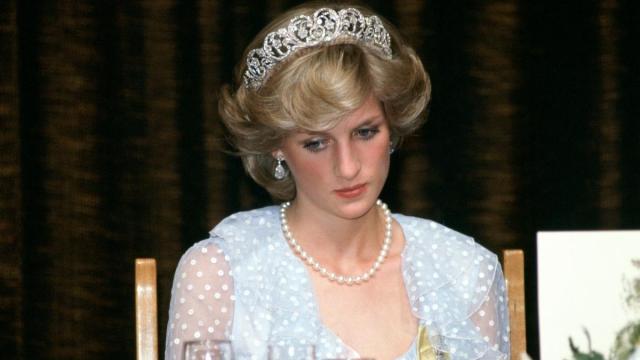
People who were close to Diana have claimed that she never regarded the entire press as her enemy. Instead, she understood its enormous power. She carefully chose whom to trust and used those relationships to make sure that her own voice could still be heard.
One of Diana’s friends reportedly said that the princess understood exactly how the media operated. She could not control every headline, but she knew how to influence the wider conversation by working with journalists she respected.
It was a strategy that appeared gentle, but carried a sharp edge.
Diana did not charge directly into the wall of the media. She moved around it, found its openings, and allowed the light of her own story to shine through. She played the long game, treating every conversation, smile, and trusted relationship as a carefully positioned piece on a chessboard.
Harry has chosen a very different path.
For him, the press is not simply a powerful institution to be managed. It is an opponent that must be challenged. The trauma surrounding his mother’s death, the relentless attention directed at his wife, and years spent under the glare of cameras appear to have made this struggle deeply personal.
This is where the paths of mother and son seem to divide.
:max_bytes(150000):strip_icc():focal(749x0:751x2)/Prince-Harry-Princess-Diana-090525-293ebb1672184cb9ac0bd4031ae4211e.jpg)
Diana treated the media like a river: she knew she could not stop it, but she could sometimes redirect its current. Harry appears determined to build a dam against the flood.
The debate is no longer simply about who is right or wrong. It is about whether a son can defeat the system he believes helped take his mother away from him.
And if Diana were still alive, would she urge Harry to keep fighting—or would she ask him to put down the sword and learn how to guide the storm?