Dylann Roof, the man responsible for the tragic shooting that claimed nine lives during a prayer service in Charleston, South Carolina, faces a haunting reality behind bars. Since his sentencing to death by lethal injection in January 2017, Roof’s life has become a chilling tale of isolation and psychological torment, raising questions about the nature of justice itself.
 On June 17, 2015, Roof entered the Emanuel African Methodist Episcopal Church, welcomed by congregants who had no idea of the horror that would unfold. After nearly an hour of prayer, he unleashed a barrage of gunfire, killing nine people in a racially motivated attack. Throughout his trial, Roof displayed a chilling lack of remorse, a fact that shaped the legal proceedings that followed.
Convicted on December 15, 2016, Roof became the first individual in U.S. history sentenced to death for a federal hate crime. In a surprising move during the penalty phase, he chose to represent himself, rejecting any defense that might suggest mental illness. Court-ordered evaluations later indicated he exhibited signs of schizophrenia, autism, anxiety, and depression, but Roof refused to acknowledge them, believing it would undermine his ideological stance.
By April 2017, Roof had pleaded guilty to nine counts of murder in state court, receiving nine consecutive life sentences without parole. Legal experts noted this as a safeguard, ensuring he would remain incarcerated even if his federal death sentence were overturned. Ironically, in his pursuit of control over his narrative, Roof ensured his own execution.

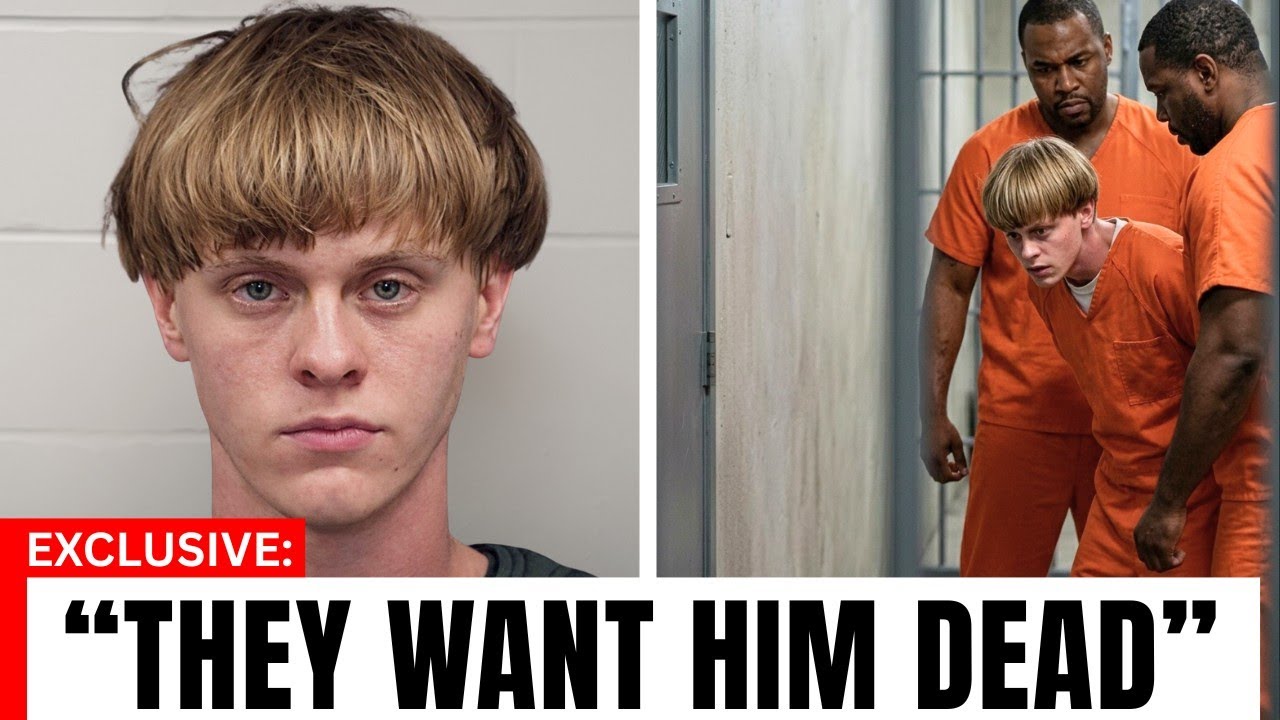
Fast forward to 2023, and Roof remains in the special confinement unit at the United States Penitentiary in Terre Haute, Indiana, the only federal facility where executions are carried out. Former correctional staff describe the unit as eerily quiet, with inmates experiencing extreme isolation, devoid of any social interaction. The psychological toll of such confinement is profound, leading some to question whether prolonged isolation is a fate worse than death.
In December 2023, tragedy struck when another inmate, Naci Khalil Arraiol, reportedly took his own life after suffering severe psychological decline in the same unit. Fellow inmates noted that the isolation had become unbearable, raising awareness of the so-called “death row phenomenon,” a term used to describe the mental deterioration faced by those awaiting execution.

As Roof continues to wait in his cell, he has no scheduled execution date. His existence is marked by a lack of freedom and a future filled with uncertainty. The environment is designed for control, with every movement closely monitored, and interactions with the outside world limited to a few hours each week.
The debate surrounding Roof’s punishment is complex. Some families of the victims have voiced support for the death penalty, viewing it as a necessary response to the heinous act. Others, however, argue that life imprisonment would have allowed for a quieter healing process, free from the constant reminders of legal proceedings.

In 2023, the families reached an $88 million settlement with the Department of Justice over the background check failure that allowed Roof to obtain the firearm used in the shooting. While no amount of money can bring back their loved ones, the settlement was seen as a step forward.
As we reflect on Roof’s fate, we are left with a haunting question: is the prolonged suffering of isolation more severe than the finality of execution? The complexities of justice, punishment, and healing intertwine in a way that challenges our understanding of accountability. What are your thoughts on this difficult subject?