In a fiery post-Verzuz meltdown, Day26’s Willie Taylor didn’t hold back, boldly claiming his group would have “smoked” B2K and Pretty Ricky if they faced off. His explosive reaction exposes raw tensions beneath the celebrated R&B showdown, sparking new debate about live performance supremacy and Verzuz’s cultural impact.
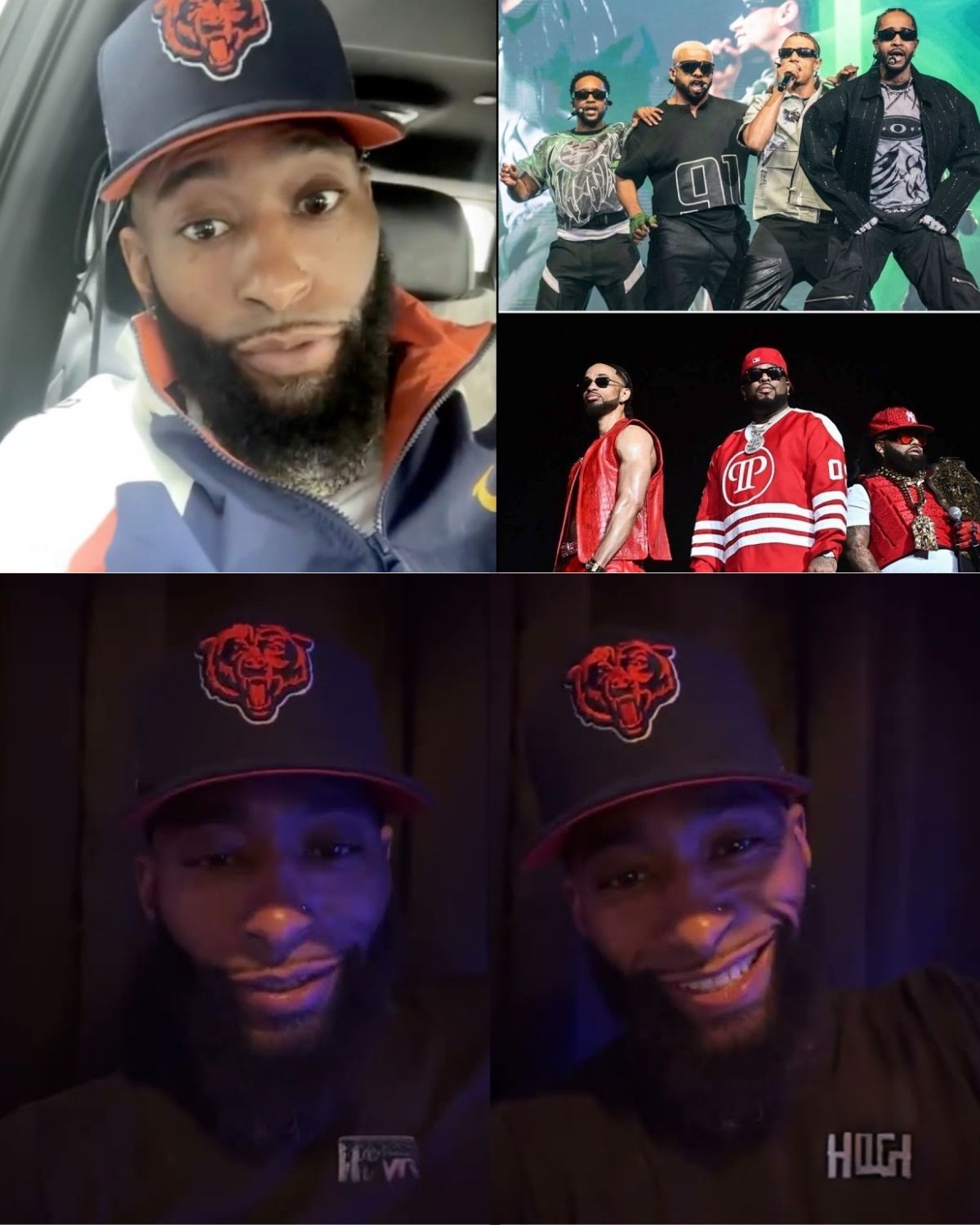
Willie Taylor’s response to the recent B2K versus Pretty Ricky Verzuz battle has set the R&B community ablaze. Despite praising the event’s cultural significance, Taylor insisted that if Day26 had been on that stage, the outcome would have been dramatically different, emphatically stating, “They woulda got smoked.” His words carried an unmistakable challenge.
Taylor’s critique wasn’t merely about who won or lost but the nuances of performance artistry. He emphasized that B2K missed a crucial element by not incorporating their signature dance moves, a failing in his eyes that weakened their stage presence. He contrasted this with Pretty Ricky’s stronger live singing, yet still hinted at their vulnerabilities.
Highlighting Day26’s strengths, Taylor spotlighted their vocal harmonies and live singing skills, underscoring the group’s confidence in their ability to outperform both B2K and Pretty Ricky. He hinted at a game plan involving acoustic guitar performances that would have flipped the script, suggesting a “long night” for the competitors if the battle had included his group.
Taylor’s commentary also revealed the tension around live sound dynamics, referencing microphone use and live vocals as pivotal battlegrounds. He suggested that had Day26 participated, valuable lessons would have been learned on stage, implying his group’s superior readiness and professionalism under pressure.
While firmly critical, Taylor tempered his remarks by acknowledging the positive vibe of the Verzuz event, recognizing its role in uplifting R&B culture and reconnecting audiences with millennium-era groups. Nevertheless, his dominant narrative centered on Day26’s supposed supremacy, framing the battle as a missed opportunity to see their talents tested.
Taylor’s public challenge re-ignites a rift in Verzuz circles over what defines a winning performance—flawless production, dynamic dance, raw vocal talent, or a combination thereof. His remarks will undoubtedly fuel fan debates, social media reactions, and possibly future Verzuz matchups seeking to prove who truly rules the R&B stage.
In closing, Taylor’s demand for recognition extends beyond bravado; it’s a declaration of artistic pride and competitive spirit. By openly texting his peers and addressing the broader community, he stakes Day26’s claim in the ongoing evolution of live R&B showcases, hinting at what could come next in this high-stakes musical theater.
The aftermath of the B2K versus Pretty Ricky Verzuz battle now vibrates with Taylor’s revelations and promises. The R&B world watches eagerly: Will Day26’s words translate to action in future Verzuz battles, or will the scene remain divided over who reigns supreme in this electrifying cultural phenomenon?