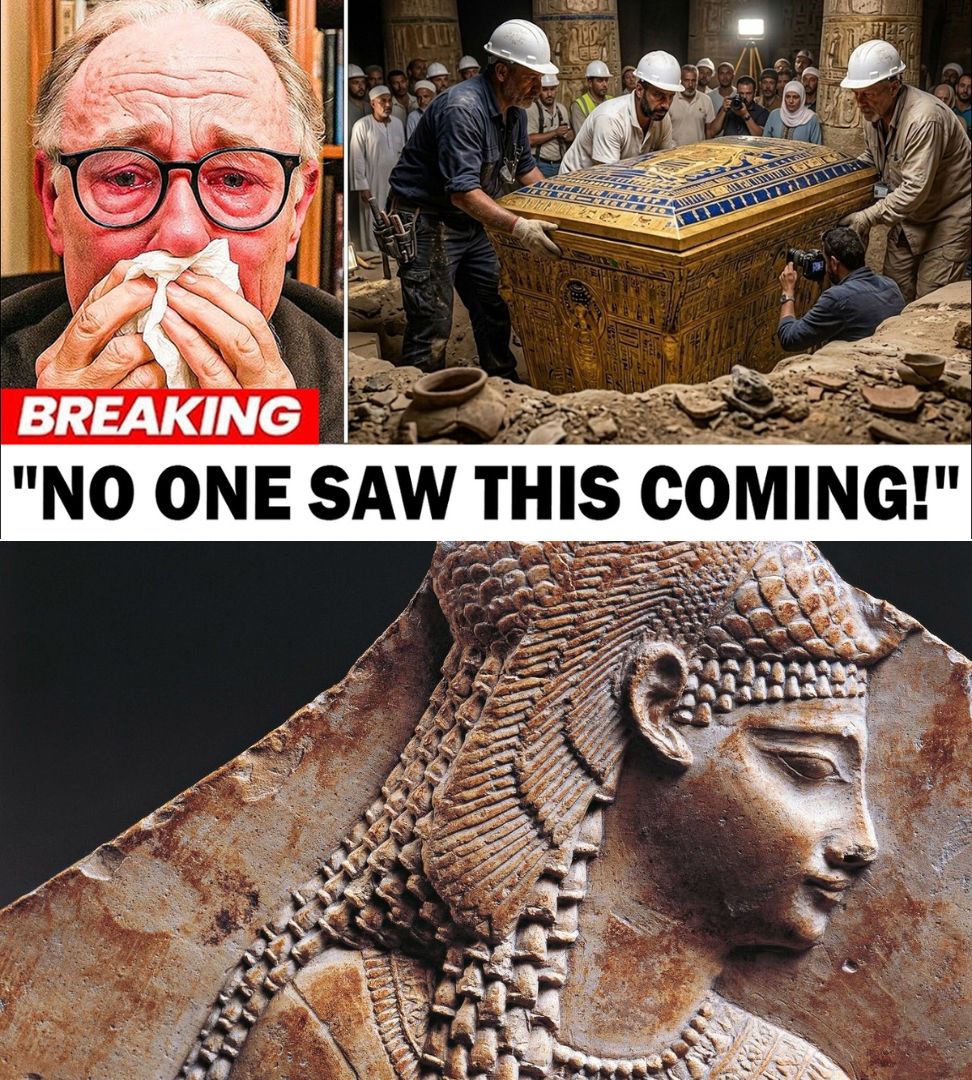
For centuries, Cleopatra has been immortalized as the epitome of beauty and seduction. But recent DNA revelations and forensic studies suggest that the last pharaoh of Egypt may not be the glamorous figure history has painted. Instead, her legacy could be intertwined with a more complex and unsettling reality.
 The search for Cleopatra’s final resting place has long captivated historians and archaeologists alike. Most experts believe her tomb lies hidden beneath the modern city of Alexandria, lost to time and natural disasters. However, Kathleen Martinez, a criminal lawyer turned archaeologist from the Dominican Republic, has taken a different approach. For the past two decades, she has pursued the mystery with the tenacity of a detective, challenging the established narrative.
Martinez’s journey led her to Taposiris Magna, a forgotten temple located about 30 miles west of Alexandria. In 2022, her team’s groundbreaking discovery of a massive, intricately carved tunnel beneath the temple raised eyebrows. Stretching nearly a mile long and running toward the Mediterranean Sea, this engineering marvel hints at something significant. But what could have warranted such an elaborate construction?
Martinez theorizes that Cleopatra’s desire to evade capture by the Romans drove her to seek a hidden burial site, one that would allow her to rest alongside her lover, Mark Antony. The discovery of a sunken port nearby suggests that Taposiris Magna was once a bustling center, potentially linked to Cleopatra’s secretive plans.

As the excavation continued, the team stumbled upon 16 rock-cut tombs containing mummies adorned with gold amulets placed in their mouths. In ancient Egyptian belief, these golden tongues symbolized the ability to speak before Osiris, the god of the underworld. Martinez speculates that these individuals may have been Cleopatra’s trusted companions, awaiting her arrival in the afterlife.
While Cleopatra’s physical remains remain elusive, researchers are piecing together her genetic story through her sister, Arsinoe IV. Historical accounts reveal a fierce rivalry between the sisters, with Arsinoe even claiming the throne during Cleopatra’s exile. However, her fate was sealed when Cleopatra orchestrated her assassination, a 𝒔𝒄𝒂𝓃𝒹𝒶𝓁 that reverberated through history.

In the early 1900s, archaeologists unearthed a skeleton in Ephesus believed to belong to Arsinoe. For years, this discovery offered tantalizing clues about Cleopatra’s lineage. But modern DNA analysis revealed 𝓈𝒽𝓸𝒸𝓀𝒾𝓃𝑔 results: the remains belonged to a young boy, not the royal princess everyone had imagined. This twist has left historians grappling with new questions about Cleopatra’s ancestry and health.
The Ptolemaic dynasty, to which Cleopatra belonged, was notorious for its practice of close kin marriages, leading to a high coefficient of inbreeding. This genetic isolation raises concerns about the health implications for Cleopatra, who may have faced significant physical challenges. Despite this, she is often remembered as a brilliant and influential ruler.

Some historians are now exploring the possibility that Cleopatra’s renowned energy and charm could have been linked to inherited health issues. If she struggled with chronic pain or other ailments, her knowledge of ancient medicine may have helped her manage these challenges while maintaining her public persona.
As Kathleen Martinez continues her quest beneath Taposiris Magna, the implications of her discoveries are profound. If Cleopatra’s tomb is finally uncovered, it may not just reveal a legendary queen but a woman who navigated the treacherous waters of power and family rivalry while grappling with her own health struggles.
The truth about Cleopatra may be more intricate and human than the romanticized image we’ve held for centuries. What will we learn when the final secrets of her life and legacy are finally revealed?