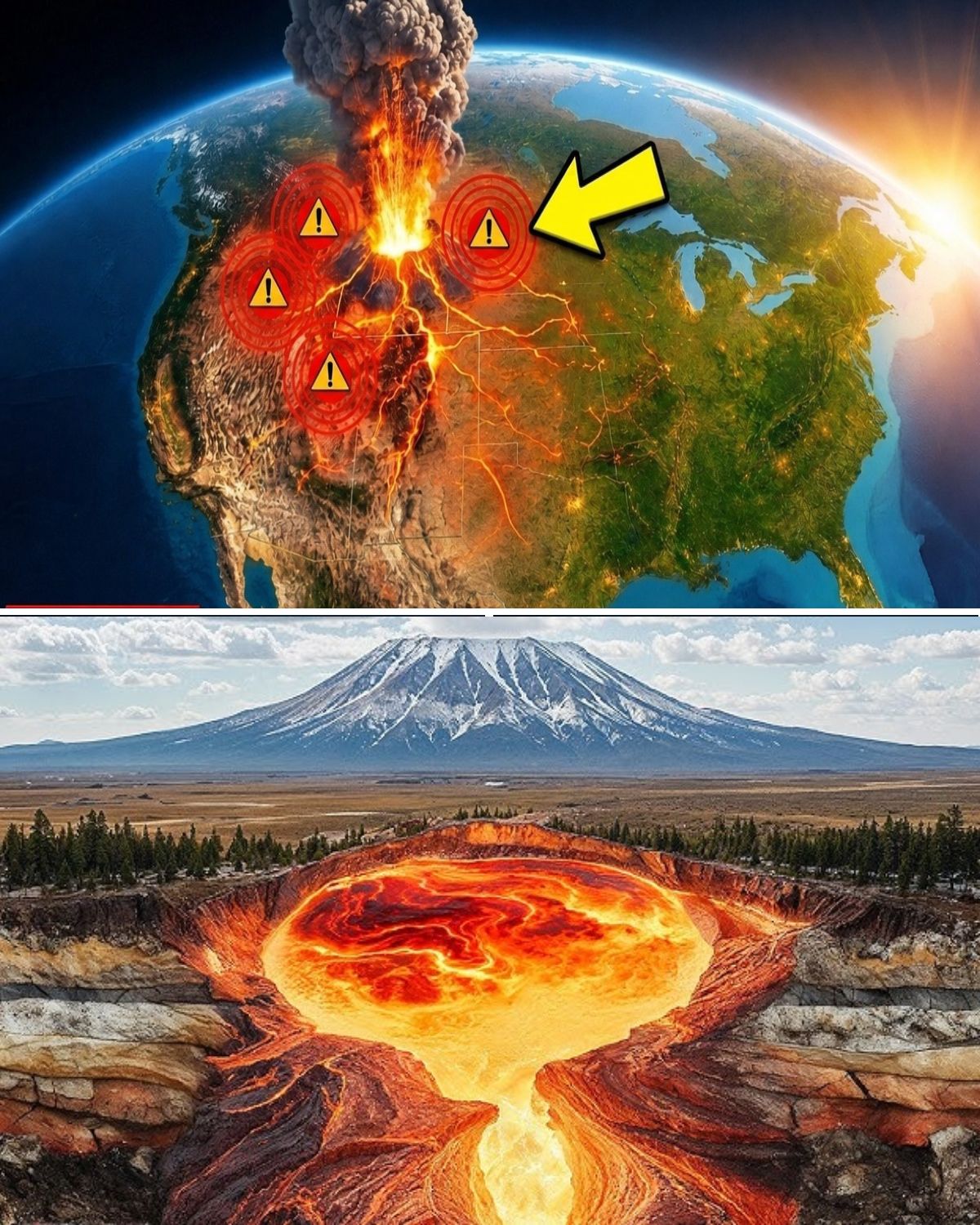
Yellowstone National Park, a cherished natural wonder, is hiding a potentially explosive secret beneath its serene surface. Recent scientific observations suggest that the supervolcano, known for its breathtaking geysers and vibrant landscapes, may be stirring from its long slumber, leaving many to wonder what could be on the horizon.
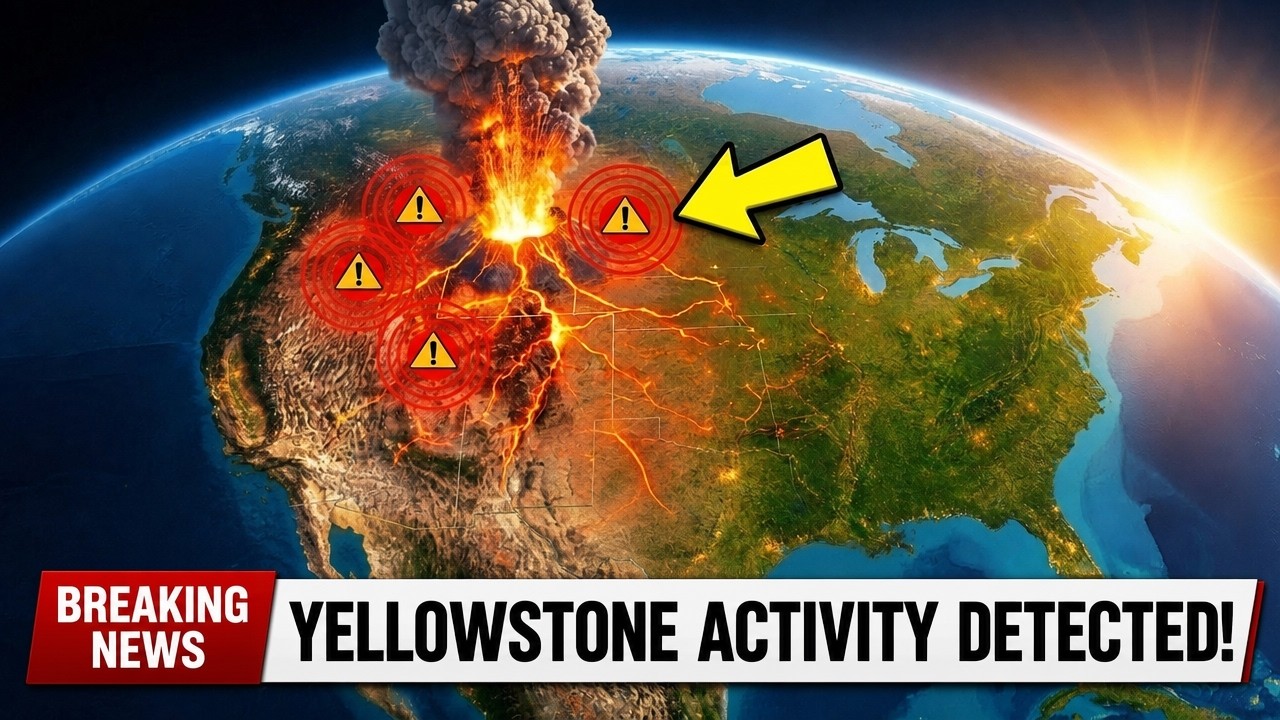 Visitors flock to Yellowstone for its stunning vistas and iconic wildlife, but beneath this beauty lies a powerful geological force. The park’s caldera, a massive volcanic structure, has been showing signs of unusual activity, prompting scientists and the public alike to pay closer attention. Instruments designed to monitor the ground have detected subtle shifts and pulses of energy deep within the earth, raising questions about the stability of this famous supervolcano.
The intrigue began months before the world turned its eyes to Yellowstone’s possible eruptive future in 2025. Starting in July of that year, GPS stations across the park began to record a noticeable uplift along the North Caldera Rim. This gradual change continued through the summer and into winter, only to halt abruptly in mid-January 2026. Such fluctuations are not uncommon in Yellowstone, but they inevitably draw scrutiny from scientists eager to decipher their meaning. Is this a simple settling of the earth, or could it signal something more significant?
As scientists at the Yellowstone Volcano Observatory sift through decades of data, each movement is treated as a vital clue in a complex puzzle. The recent cessation of uplift raises critical questions: Does it indicate a safe release of underground pressure, or could it foreshadow more dramatic changes ahead?
 While the subterranean movements tell one story, the surface of Yellowstone has not been silent either. Between late 2024 and early 2025, a striking new blue pool emerged in the Norris Geyser Basin, the result of small hydrothermal explosions. This unexpected feature captured the attention of both tourists and experts, highlighting the park’s dynamic nature. Such hydrothermal events serve as vivid reminders that Yellowstone’s surface is shaped not only by volcanic activity but also by the relentless power of water and steam.
On June 12, 2025, another minor eruption at the Black Diamond Pool was documented by park webcams, further emphasizing the intricate relationship between the hydrothermal system and the underlying magma chamber. While these occurrences are typically viewed as normal within the park’s historical context, they also raise questions about their connection to deeper geological processes.
To understand the potential of Yellowstone, one must look back at its tumultuous history. Over the past 2.1 million years, the park has experienced three cataclysmic eruptions, each one reshaping the landscape and leaving lasting scars. While the possibility of another super eruption cannot be entirely dismissed, experts believe it is highly unlikely to occur in our lifetimes. Instead, they anticipate that any future activity will likely be smaller and more localized, such as a lava flow.

Despite the heightened interest in Yellowstone’s recent activity, scientists have been quick to reassure the public. The Yellowstone Volcano Observatory has stated that there is currently no evidence of an imminent eruption. While unusual occurrences may spark curiosity and concern, most of the activity observed recently falls within the park’s historical range. Experts maintain that the most probable future eruptions would be relatively minor, posing limited risk to the broader population.
As the public remains captivated by the park’s geological wonders, scientists emphasize the importance of vigilance. Continuous monitoring is essential to detect any hazardous changes as early as possible. The intricate and dynamic nature of Yellowstone’s system means that uncertainty is always present, and researchers are committed to deepening their understanding of the underlying magma chamber and hydrothermal features.
 Yellowstone is more than just a geological marvel; it is a vibrant ecosystem teeming with life. The interconnectedness of the land means that even minor changes can have profound effects on local habitats. The emergence of new pools or shifts in hydrothermal features can create opportunities for unique flora and fauna while also posing challenges for species reliant on stability.
Each event in Yellowstone, whether dramatic or subtle, contributes to an ongoing narrative that scientists and visitors alike are eager to follow. The recent activity, including the creation of the Norris Blue Pool and the eruption at Black Diamond Pool, serves as a reminder of the park’s restless spirit and the delicate balance of its ecosystem.
As we look to the future, the question remains: what secrets does Yellowstone still hold beneath its surface? The park continues to captivate our imagination, inviting us to ponder the mysteries of nature and the ever-present potential for change. Share your thoughts below, and stay tuned as we explore the unfolding story of this iconic landscape.