Today, it’s almost impossible to imagine country music without Garth Brooks. He’s the best-selling solo artist in music history, a stadium-filling superstar whose songs have defined generations. But before the fame, before the sold-out tours, and before Friends in Low Places became an anthem, Brooks was just another struggling singer in Nashville trying to convince someone to believe in him.
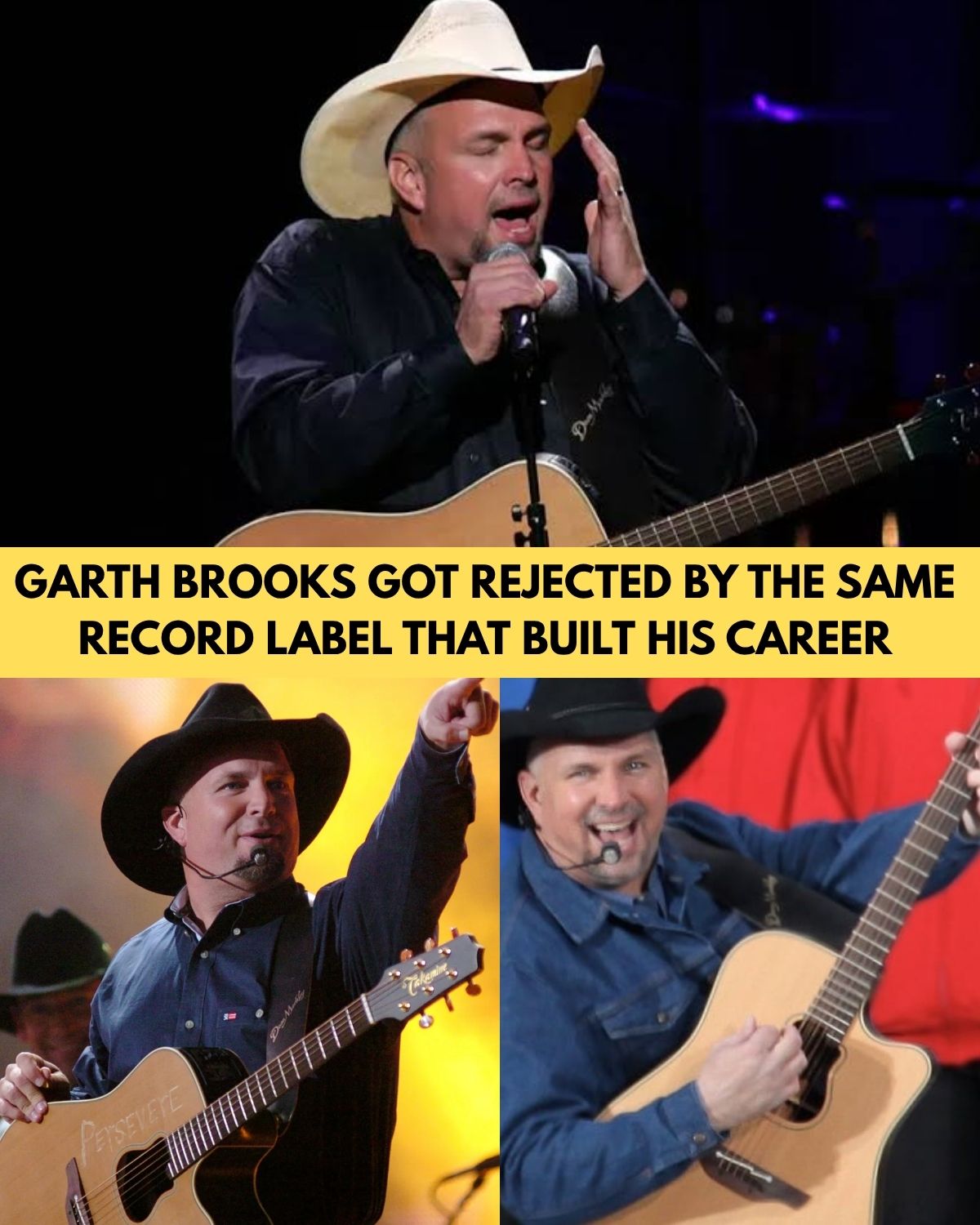
And at first, nobody did. In 1988, Brooks finally landed what he thought would be his big break: an audition with Capitol Records in Nashville. His manager, Bob Doyle, arranged the meeting, and Brooks performed several original songs in front of label president Jim Foglesong and A&R executive Lynn Shults.
Just another rejection in a year already filled with disappointment. At the time, Brooks was working retail jobs to make ends meet while his wife, Sandy, worked clerical jobs to help support their dream. For many aspiring artists, that would’ve been the end.For Brooks, it was only the beginning.
A few weeks later, he was scheduled to perform at Nashville’s legendary Bluebird Cafe during a songwriter round. Originally set to play ninth, Brooks unexpectedly moved up after another performer failed to show.
That twist of fate changed country music forever. By pure coincidence, Capitol executive Lynn Shults was in the audience that night. He hadn’t come to see Garth Brooks. But he ended up witnessing something he couldn’t ignore.
Brooks performed in front of a live crowd, pouring emotion into songs including If Tomorrow Never Comes. The audience responded immediately, and Shults realized Capitol might have made a huge mistake.
After the performance, he approached Brooks backstage with words the singer would never forget:
“Maybe we missed something here. Come to the label tomorrow. Let’s talk.”
Two months later, on June 17, 1988, Capitol Records signed Garth Brooks with a $10,000 advance.
The rest is history.
His self-titled debut album arrived in 1989 and produced hits like Much Too Young (To Feel This Damn Old), If Tomorrow Never Comes, and The Dance. Brooks would go on to become not only Capitol Nashville’s biggest star, but one of the most successful artists of all time across any genre.
Looking back, it’s hard not to wonder:
What if Brooks had quit after that first rejection?
What if the missing performer had shown up at the Bluebird Cafe?
What if Lynn Shults had stayed home that night?
Sometimes, the difference between failure and superstardom isn’t talent.
It’s getting one more chance after everyone else says no.