Boosie ignited a firestorm after enforcing a strict transmission ban at his exclusive pool party, sparking fierce backlash online. The rapper unapologetically defended his right to control guest access, emphasizing protection of his image and those attending, as tensions escalated over uninvited entries and social media exposure.
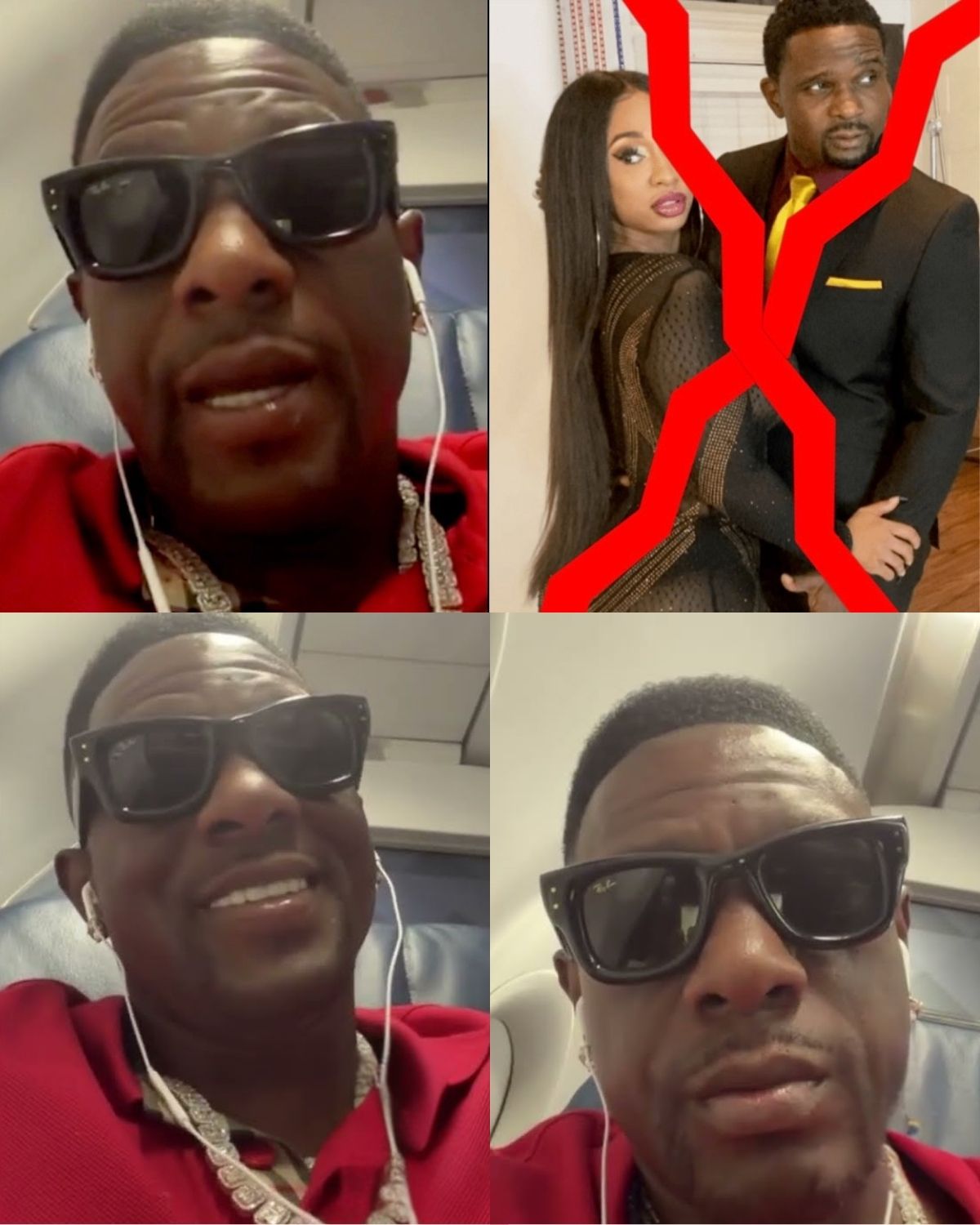
Boosie’s recent statements set social media ablaze. The ban prohibits uninvited guests and live broadcasts during his events, a move aimed at shielding privacy and maintaining exclusivity. His blunt response to critics highlights a growing divide between celebrity control and fan expectations in the digital age.
During a candid address, Boosie referenced injuries from fellow rapper Big Body Bronson, underlining personal challenges amid the controversy. Amidst the chaos, he maintained a firm stance: “It’s my party, my rules.” His comments reflect an artist claiming full ownership of his private sphere against invasive behavior.
The video reveals Boosie’s frustration with unwanted live transmissions, which he equates to a breach of trust. He expressed that protecting his and others’ image justifies his stringent policies, even if it means upsetting fans accustomed to unrestricted access and real-time updates.
Criticism flooded in quickly, with many accusing Boosie of being overly harsh or controlling. Yet, he remained dismissive of the backlash, reinforcing that his security measures are essential to safeguard the atmosphere and ensure the event’s success without unauthorized disruptions.
Boosie’s firm tone struck a chord, emphasizing the importance of boundaries despite public outrage. He insisted that his events cater to a diverse yet vetted group, including artists, athletes, and entertainers, bolstering his argument that exclusivity enhances safety and reputation management.
He also underscored the financial implications, noting how unauthorized live streams could undermine earnings and dilute the exclusivity that sponsors and guests expect. Boosie’s perspective sheds light on the evolving challenges artists face balancing fan engagement with business and brand integrity.
With promises of upcoming shows in Austin, Texas, Boosie’s message is clear: the same rules will apply, and he is prepared to enforce them rigorously. His scorched-earth approach signals a new era where celebrities actively police their events to maintain control in a hyper-connected world.
This development raises broader questions about privacy, fan entitlement, and celebrity authority. As digital platforms amplify every moment instantly, artists like Boosie are pushing back, recalibrating boundaries to reclaim private spaces from public intrusion and unsolicited transmission.
Boosie’s unapologetic stance is a volley fired in defense of his personal domain and career. His readiness to confront naysayers while asserting his rights marks a turning point in celebrity privacy enforcement, with ripple effects sure to influence similar events nationwide.
The uproar around Boosie’s transmission ban exemplifies the friction between modern fame and digital transparency. It exposes the fine line performers walk, balancing openness and exclusivity, and highlights the complex power dynamics in today’s celebrity culture landscape.
As the debate rages, industry insiders watch closely to gauge how other entertainers will respond. Boosie’s bold move could trigger a trend of tighter security and stricter access controls at high-profile gatherings, redefining how fans experience live events moving forward.
Boosie’s defense of his pool party policies underscores a crucial fight for control in a world where every moment can be broadcast instantly. His message resonates loud: privacy and image protection remain paramount, even amid mounting pressure for openness in the social media era.
His remarks pointedly reject the notion that celebrity events should cater to unrestricted broadcasting or uninvited attendance. The tension between personal sovereignty and public demand crystallizes around Boosie’s firm refusal to compromise on his terms.
This story highlights the challenges celebrities face managing their public personas, private events, and fan interactions amid relentless digital scrutiny. Boosie’s transmission ban acts as a case study in navigating these competing demands with uncompromising resolve.
Fans and critics alike are now left to ponder the implications. Will Boosie’s hardline approach foster greater respect for artist boundaries, or will it fuel further backlash from those craving unfettered access to celebrity lives and moments?
What remains unmistakable is Boosie’s readiness to defend his territory fiercely. The dispute over his pool party transmission ban serves as a stark reminder of the shifting power dynamics between stars and their audiences in an age dominated by instant sharing.
As reactions continue to pour in, Boosie’s challenge to the status quo signals a significant moment in celebrity event management, one where control, privacy, and image preservation are paramount — sparking an urgent conversation across entertainment and social media spheres.