Boosie is igniting fierce controversy after publicly criticizing Caleb Williams’ Madden cover, condemning the painted fingernails featured. The rapper’s explosive remarks, implicating cultural values and parenting, have triggered an intense backlash across social media, sparking urgent debates about masculinity, role models, and the message sent to young gamers worldwide.
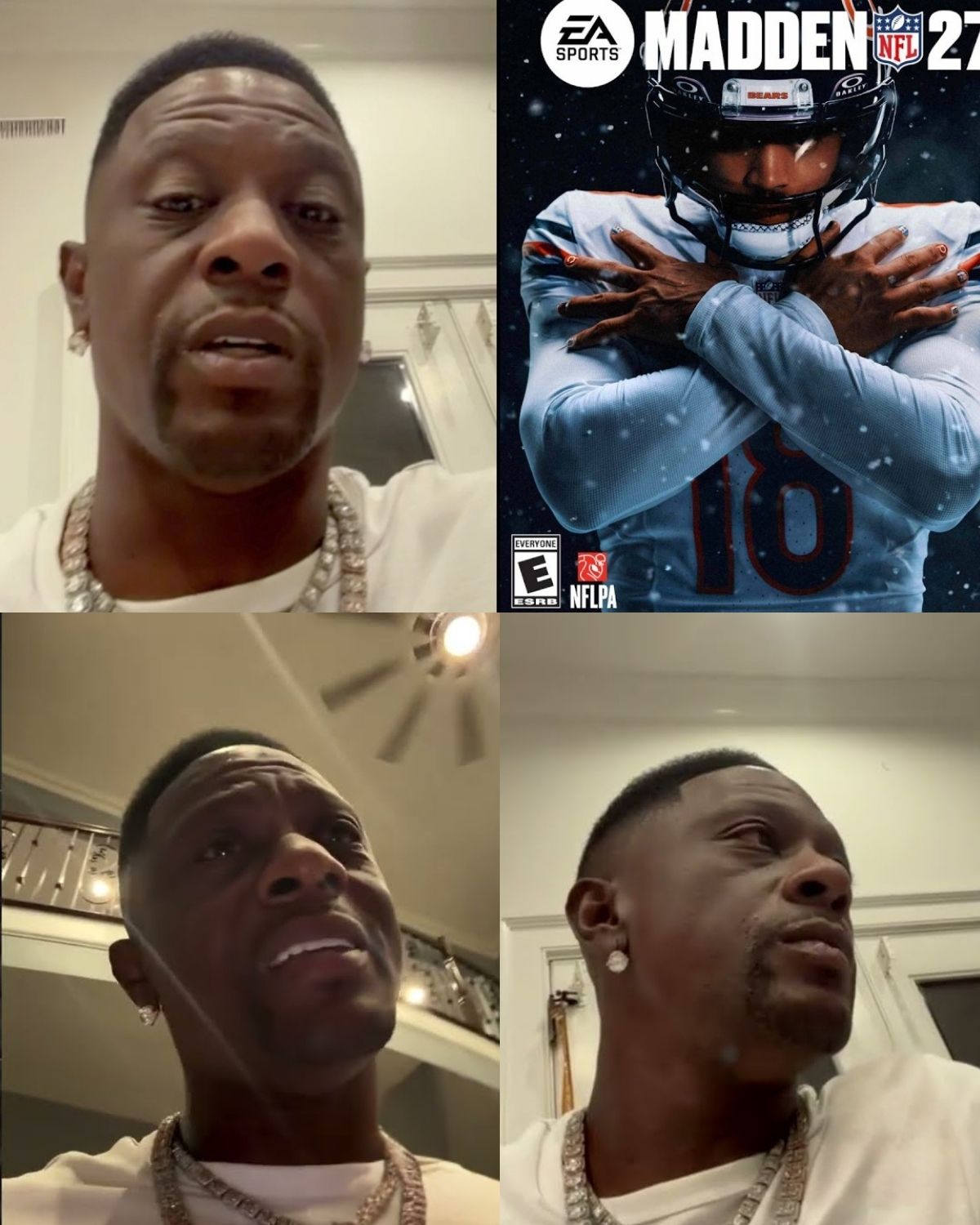
Boosie, known for his blunt opinions, aired his grievances in an unfiltered video responding to the uproar flooding his DMs. He challenged the Madden franchise’s decision to depict Williams with painted nails, questioning its suitability given the game’s massive young male audience. His argument centers on the potential impact on children and societal expectations of masculinity.
Highlighting his upbringing steeped in traditional toughness, Boosie expressed disbelief that a major sports game would display such imagery. He warned parents—both fathers and single mothers—to draw the line and actively raise boys with clear values about manhood and identity. The tone was stern, underscoring a generational clash over cultural norms.
“John Madden is turning over in his grave,” Boosie ominously declared, framing the controversy as a symbolic crisis. For him, it’s not just about a video game cover but a cultural tipping point where male youth role models are being reshaped in ways he finds deeply troubling. The rapper’s words resonate strongly with his core message about discipline and respect.
Boosie’s reflection on his own harsh childhood discipline paints a vivid picture of his worldview. He recounted intense corporal punishment from his father, recounting episodes of physical correction as a foundation for respect and strong character. His narrative reveals a personal belief in tough love as essential to shaping boys into men.
He emphasized the legacy he intends to pass to his children—raising daughters with dignity and sons who embody strength without compromise. His testimony serves as both a warning and a declaration of his parenting philosophy. These revelations add a raw emotional layer to the conversation surrounding the Madden cover controversy.
The backlash against Boosie erupted swiftly, with social media users divided. Critics accuse him of outdated thinking and intolerance, while supporters laud his candid call for preserving traditional manhood. This clash illustrates a broader cultural battle playing out publicly right now, spotlighted by the Madden cover’s symbolism.
Boosie’s remarks have ignited fierce dialogues among parents, gamers, and cultural commentators about influence, representation, and responsibility in media. As video games remain a dominant platform for youth, questions of messaging and role modeling have never been more urgent. The intensity of this debate signals lasting cultural reverberations.
The Madden franchise remains silent amid the storm, yet the controversy only magnifies scrutiny on its branding choices. Caleb Williams, celebrated for his athletic prowess, is now at the intersection of this heated cultural conflict. The ripples from Boosie’s statements threaten to redefine narratives around masculinity in sports media.
Parents grappling with how to navigate evolving social norms find themselves polarized, 𝒄𝒂𝓊𝓰𝒉𝓉 between calls to embrace diversity and concerns over preserving traditional ideals. Boosie’s confrontation with this issue serves as a flashpoint, exposing deep questions about identity, influence, and societal expectations in modern youth culture.
This unfolding controversy is far from over, as debates intensify and more voices weigh in. Boosie’s outspoken critique has sharply focused public attention on the Madden cover, forcing a national dialogue about the cultural signals sent to millions of impressionable boys. The urgency around this moment is palpable and escalating.
As the story develops, all eyes remain on Boosie, Caleb Williams, and the Madden franchise. The intersection of sports, culture, and youth influence has erupted into a flashpoint demanding urgent attention. This incident transcends entertainment, tapping into the core of evolving social values and generational divides.
The cultural clash sparked by Boosie’s condemnation of Caleb Williams’ painted fingernails on the Madden cover underscores a broader urgency about the messages being broadcast to young audiences. It reveals rifts in beliefs about gender expression, discipline, and the shaping of future generations.
Boosie’s candid admission of his strict upbringing and commitment to raising respectful children contrasts starkly with the image portrayed on the Madden cover. This juxtaposition fuels intense emotions and confrontations over what constitutes acceptable representation in mainstream sports culture.
This 𝓿𝒾𝓇𝒶𝓁 meltdown is a potent reminder of how deeply representation in media resonates with diverse audiences. The Madden cover controversy encapsulates ongoing tensions between tradition and progressivism, raising questions that extend far beyond the football field or video game console.
In the days ahead, anticipate a wide array of responses from cultural leaders, sports figures, and communities as this debate intensifies. Boosie’s fiery perspective has ignited a conversation that could influence industry standards and parenting approaches nationwide. The stakes have never felt higher.
With social media amplifying the firing range of opinions, the conversation is fracturing into passionate camps. Each side claims urgency and moral high ground, revealing the complexity of negotiating identity and representation in today’s fast-evolving cultural landscape.
As Boosie continues to double down on his stance, his influence in hip-hop and beyond ensures sustained attention. Whether this episode marks a turning point in sports media representation remains to be seen, but its impact on public discourse is indisputable and immediate.
The Madden cover backlash sparked by Boosie’s outspoken critique draws a vivid line in the sand over cultural values. How this moment reshapes perceptions of masculinity and parental expectations could have lasting consequences far beyond the sport or game itself. The dialogue is raw, real, and advancing rapidly.
Boosie’s powerful narrative intertwines personal history with current cultural criticism, amplifying its emotional weight. His call to parents to reclaim their role in defining masculine identity strikes a chord amidst ongoing societal shifts challenging traditional norms. This moment demands urgent reflection and response.
As this breaking story develops, the Madden franchise faces growing pressure to respond to the uproar. Meanwhile, Caleb Williams’ image is now more than a sports icon—it’s a symbol at the heart of national conversations on gender expression and youth influence. The cultural stakes continue climbing.
The urgency surrounding this debate reflects broader questions about media responsibility and the evolving concept of masculinity in the 21st century. Boosie’s vocal stance has crystallized a cultural crossroads, igniting passions that underscore the deep investment society has in these issues.
Parents nationwide are now grappling with Boosie’s challenge: How to navigate and negotiate the complex terrain of gender norms, representation, and role modeling in a rapidly changing cultural environment. The Madden cover controversy presents no easy answers but demands immediate engagement.
In the eye of this storm, Boosie’s fiery rhetoric and uncompromising views serve as a rallying cry for some and a call for introspection for others. The debate sparked by his reaction to the Madden cover has crystallized key cultural tensions powering much of today’s social discourse.
As the backlash unfolds, the intersection of sports culture, media representation, and family values takes center stage. Boosie’s protest against painted fingernails challenges not just a game cover but the very foundations of identity formation among millions of young boys. The repercussions are unfolding rapidly.
This breaking controversy serves as a poignant case study in how symbolic images can ignite broad societal debates. Boosie’s raw and urgent message about parenting, discipline, and cultural influence sharply contests changing trends in youth portrayal and media aesthetics. The battle lines are clearly drawn.
With every passing hour, the discussion surrounding Madden’s choice and Boosie’s reaction deepens, pushing stakeholders to reassess how media shapes perceptions. The emotional intensity reflects a profound collective struggle over evolving standards and the meaning of masculinity today.
Boosie’s candid sharing of his own father’s strict discipline underscores the generational differences at play. The contrast between his upbringing and the imagery on the Madden cover crystallizes broader societal tensions about how young men should be raised and represented.
Ultimately, this is more than a dispute over a video game cover—it is a flashpoint exposing deep cultural fissures about identity, influence, and authority in shaping youth ideals. The rapid escalation of this story signals a call for immediate and serious dialogues across communities.
As this intense discussion marches forward, the Madden franchise’s response—or lack thereof—will play a critical role in either calming or fueling controversy. Caleb Williams’ image has become a lightning rod, thrust into the center of an urgent cultural reckoning unfolding in real time.
This breaking news moment challenges not only sports and gaming industries but also parents, educators, and cultural commentators to confront evolving definitions of masculinity and appropriate role models. Boosie’s passionate critique forces society to grapple with these pressing issues without delay.
The collision of Boosie’s traditionalist views and current cultural shifts personified by the Madden cover sets the stage for a heated battle over identity, representation, and values. This confrontation reflects deep anxieties and aspirations about the direction of youth culture today.
As the story develops, stakeholders from all sectors must navigate the turbulent waters between heritage and progress. Boosie’s forceful intervention offers a stark reminder that cultural symbols carry immense power, shaping perceptions and behaviors in profound ways.
This unfolding saga spotlights a crucial moment where media influence, parenting, and cultural identity converge. The Madden cover controversy, magnified by Boosie’s unapologetic stance, demands immediate attention and thoughtful dialogue amid rapidly shifting social landscapes.
Boosie’s dramatic recounting of childhood discipline, juxtaposed with his criticism of the painted nails, offers insight into his core beliefs about strength and respect. This emotional testimony adds urgency and intensity to an already volatile debate reverberating across communities.
The backlash following Boosie’s comments signals a larger national conversation about how youth should be portrayed and influenced. The Madden cover has unwittingly become a battleground over competing visions of masculinity and societal expectations framed by evolving cultural norms.
As this breaking story continues to explode on social platforms, it underscores the critical role of media in either reinforcing or challenging prevailing narratives. Boosie’s fiery critique has thrust these issues into the spotlight with unprecedented force and immediacy.
The cultural storm sparked by Boosie’s reaction highlights a vital societal crossroads. Parents, media creators, and cultural leaders are compelled to reconsider how images and messages affect youthful identity formation in an era marked by rapid social change and contestation.
In the next chapter of this ongoing saga, all eyes will be on the Madden franchise’s next moves and how public opinion shifts. This controversy’s rapid escalation marks it as a defining moment in the intersection of sports, media, and cultural values. The stakes remain high.
Boosie’s unfiltered critique and deeply personal perspective have set a new standard for public discourse on masculinity and media representation. This explosive moment in cultural dialogue reflects a broader tension within society’s evolving understanding of gender and identity.
The fallout from this storm will reverberate well beyond the initial outrage, influencing how future sports media addresses issues of representation and the responsibilities they bear toward impressionable audiences. The immediate future promises intense scrutiny and debate.
This breaking news episode stands as a stark reminder of the power of symbols and voices like Boosie’s in shaping public conversations. As communities wrestle with these issues, the urgency to find common ground and constructive solutions has never been clearer or more pressing.