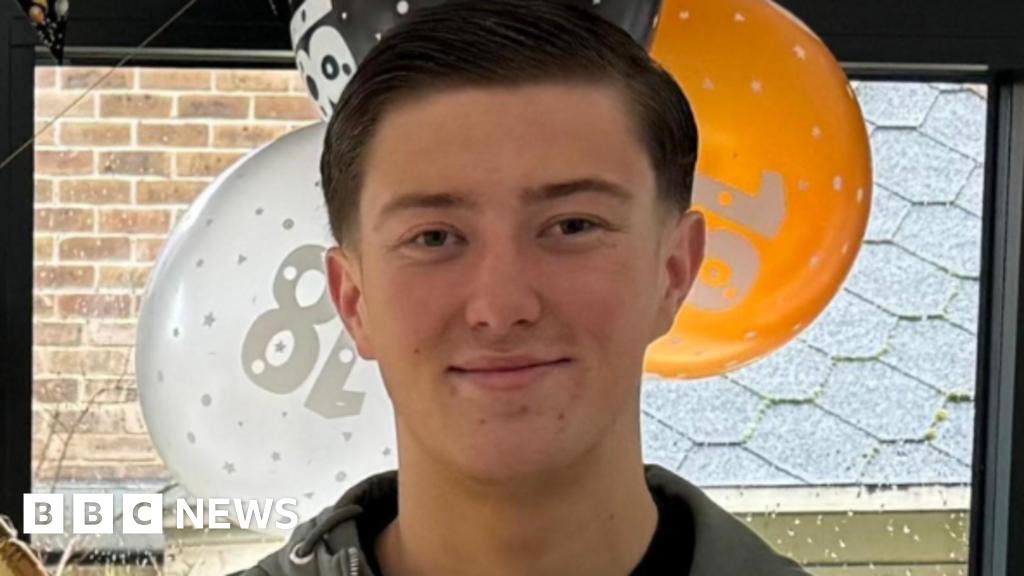
The tragic death of 18-year-old Henry Nowak has ignited a fierce debate over knife laws in the UK, as his father, Mark Nowak, passionately argues that no one should be allowed to carry large blades in public. Speaking outside Southampton Crown Court, Mark expressed his heartbreak, stating that his son “did not die with dignity.”
Henry was fatally stabbed by Vickrum Digwa, who claimed he carried the weapon for religious purposes. This shocking incident has raised critical questions about the legality and regulation of knives in Britain, particularly in light of how police handled the situation as Henry lay dying.
Under current UK law, carrying most knives in public without a valid reason is illegal, with penalties that can include up to four years in prison. However, exceptions exist for specific circumstances, including work-related needs, cultural attire, or religious reasons. Notably, the Offensive Weapons Act of 2019 allows Sikhs to possess kirpans, ceremonial daggers that hold religious significance.
During Digwa’s sentencing, Judge William Mousley emphasized the responsibility that comes with carrying such weapons. He noted that while the knife used in the attack was within legal limits, it was not a kirpan, as defined by the Sikh community. Digwa was reportedly wearing the eight-inch blade in a sheath around his neck, alongside a smaller kirpan typically worn under clothing.
In the wake of this tragedy, Mark Nowak is calling for urgent reforms to knife laws, urging the government to treat knife crime as a national emergency. He insists that real solutions are necessary, including stronger regulations on the sale and carrying of knives. “Common sense needs to prevail,” he stated, underscoring that no one should be allowed to walk the streets with such a dangerous weapon.
Hampshire Police and Crime Commissioner Donna Jones has echoed these sentiments, advocating for a re-evaluation of the laws governing knife possession. She expressed her belief that if the knife Digwa used had been illegal, Henry might still be alive today. However, she clarified that her concerns do not extend to the kirpan itself, which can be carried in a manner respectful of religious rights.
Local MP Satvir Kaur, the first female Sikh leader of a local authority in Britain, emphasized that this case should not be viewed through the lens of faith. “A single person’s actions do not define an entire community,” she remarked, while also acknowledging the need for clearer guidance on knife laws related to religious exemptions.
The Sikh community has condemned the violence and the potential misrepresentation of their beliefs, with organizations like the Sikh Federation stating that Digwa’s weapon did not align with the principles of a kirpan. The Sikh Press Association is reportedly taking steps to educate the community about the responsibilities that come with carrying such blades.
As the investigation continues, the attorney general’s office is reviewing whether to challenge Digwa’s sentence, while the Independent Office for Police Conduct is examining the police response on that fateful night. Mark Nowak remains resolute in his mission for change, determined that no other family should endure the pain of losing a child to knife crime. What will be the next steps in this ongoing conversation about safety and legislation?
Source: https://www.bbc.com/news/articles/crmpymjn8wwo