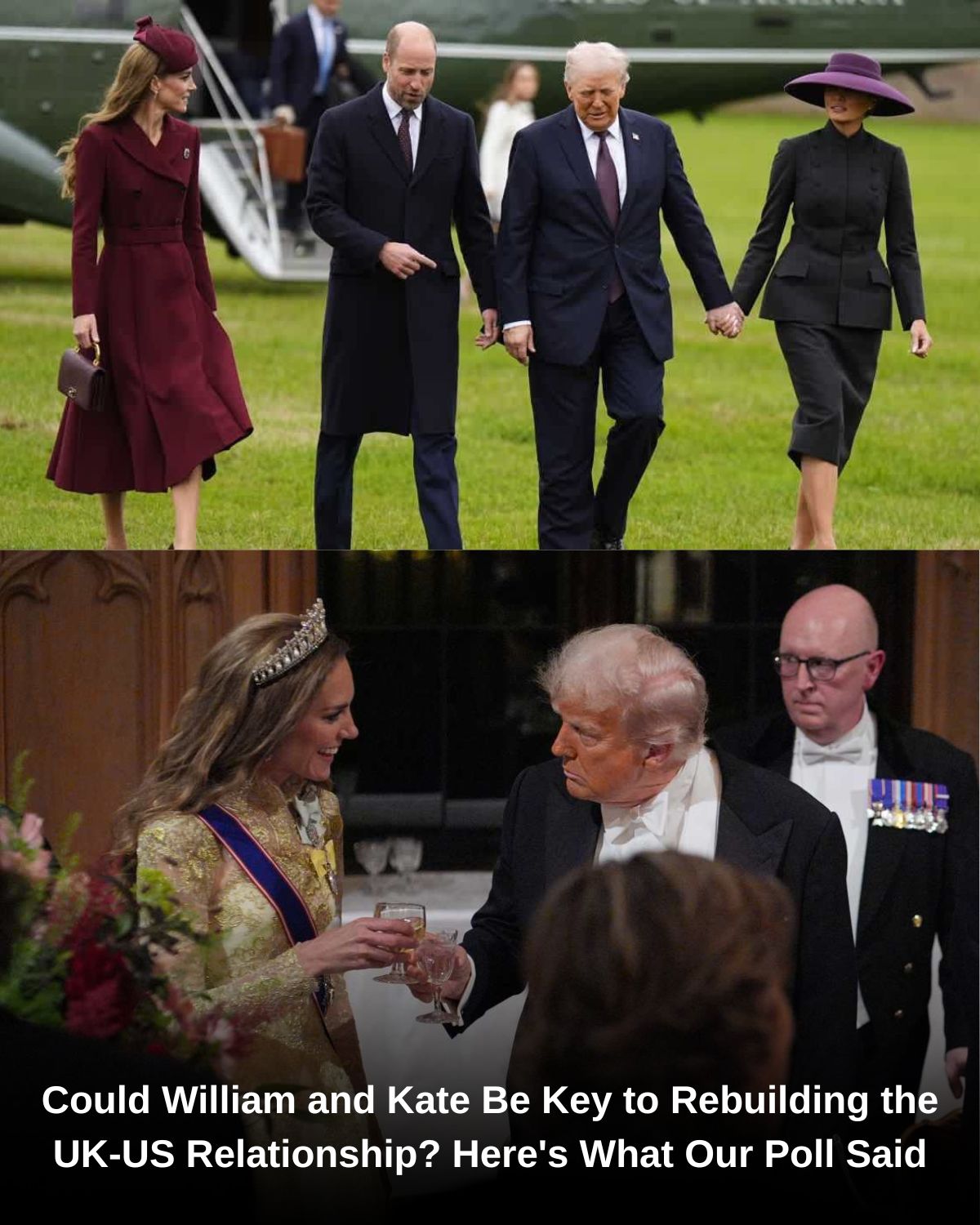
As Charles III prepares to land in Washington for one of the most politically delicate royal visits in recent years, an unexpected question is quietly overshadowing the trip itself:
Has the future of Britain’s relationship with America already shifted away from the King… and toward Prince William and Catherine, Princess of Wales?
Behind palace walls and across social media, royal watchers are increasingly convinced that while Charles carries the weight of the Crown, it is William and Kate who carry something potentially even more powerful in modern diplomacy: global fascination.
The Royal Power Struggle No One Expected
Officially, the upcoming state visit is about diplomacy, unity, and strengthening the “special relationship” between Britain and the United States. But unofficially, a much more intriguing narrative is unfolding.
Polls among royal observers reveal a striking divide. While many still respect Charles and Camilla, Queen of the United Kingdom for their experience and constitutional authority, a growing number believe the Waleses possess something the King and Queen simply cannot replicate: star power capable of captivating America itself.
And history suggests they may be right.
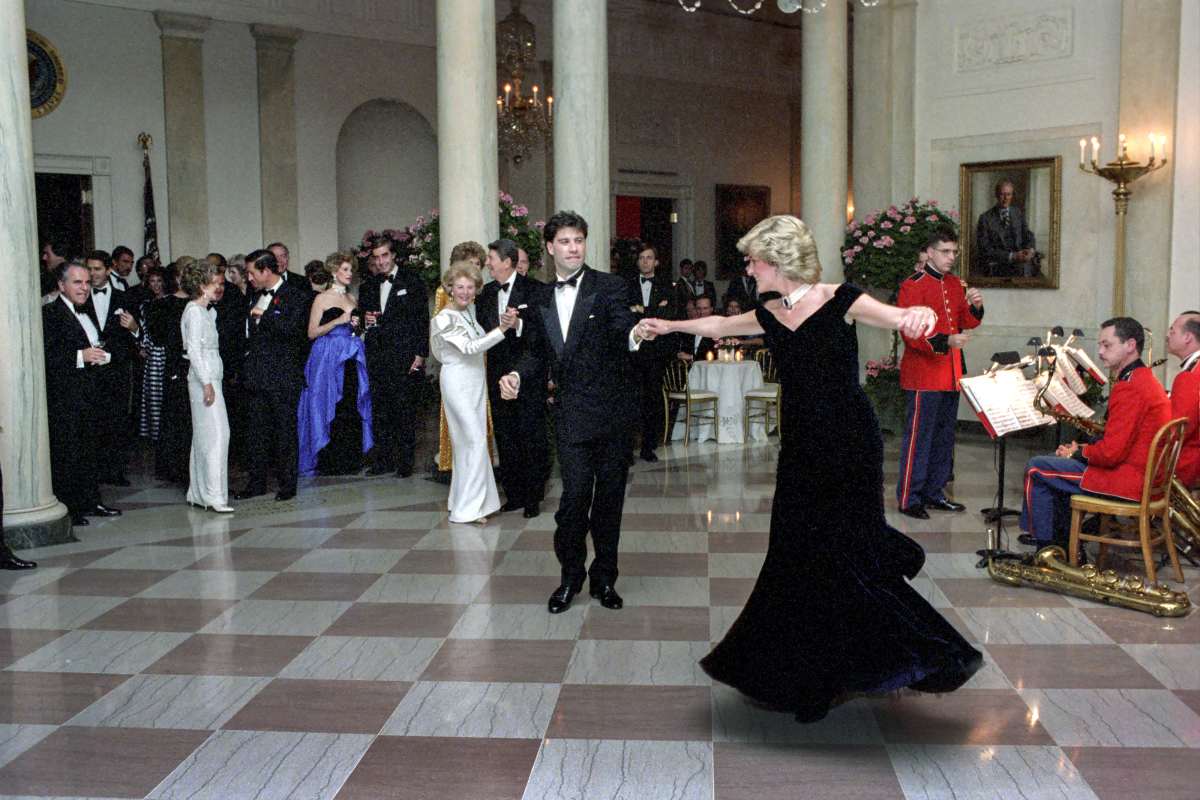
When a young Diana, Princess of Wales danced with John Travolta at the White House in 1985, the moment became immortal — glamorous enough to eclipse the politics surrounding it. Decades later, many believe William and Kate now occupy that same rare space where royalty transforms into cultural phenomenon.
Trump, Kate… and the Palace Dynamic Everyone Noticed
The situation becomes even more fascinating because of one highly sensitive factor: Donald Trump himself.
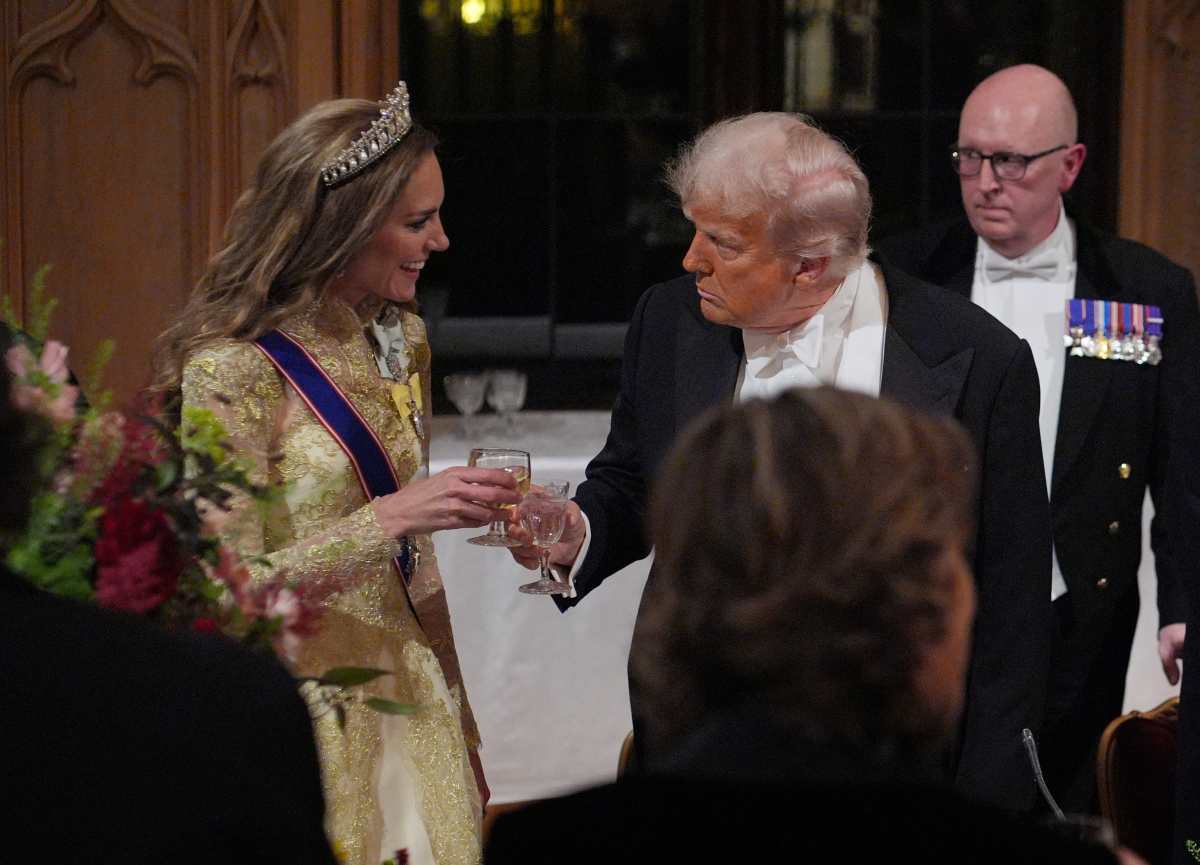
Trump has repeatedly spoken warmly about Princess Kate in public, famously describing her as “beautiful,” “radiant,” and “healthy” during previous royal encounters. At one Windsor banquet, observers even noticed him glancing toward Kate instead of Camilla while mentioning the word “queen” — a subtle moment that royal insiders reportedly did not overlook.
Meanwhile, sources claim Trump was equally impressed by William during their Paris meeting in late 2024, describing the Prince of Wales as charismatic, confident, and surprisingly easy to connect with.
For palace strategists, this chemistry matters enormously.
Because in modern diplomacy, perception can become power.
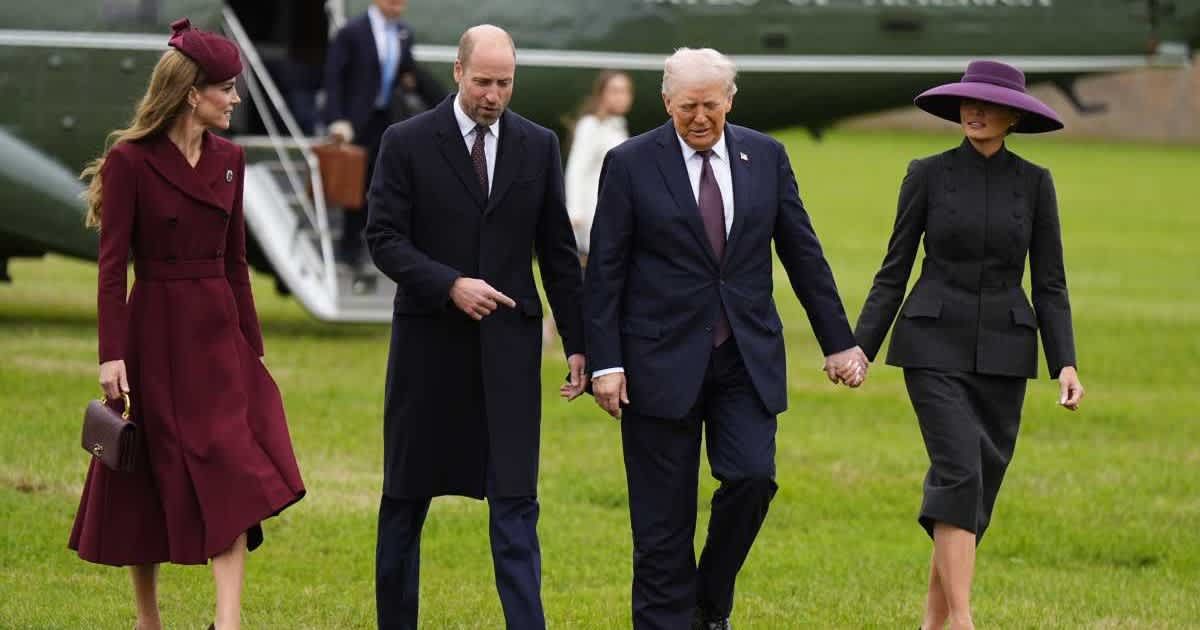
Charles Brings Experience — William Brings Emotion
Yet the story is far from simple.
Charles remains one of the monarchy’s most experienced diplomats, shaped by decades of royal tours, political balancing, and careful relationship-building across the world stage. Calm, measured, and intellectually disciplined, the King is widely viewed as someone capable of finding common ground even in turbulent political climates.
William, however, represents something entirely different.
He brings youth, emotional intensity, and the unpredictability of a future king still defining his own diplomatic identity. And while that passion makes him magnetic to younger audiences, it could also create challenges when navigating the famously volatile style of Trump-era politics.
In many ways, the contrast feels symbolic of the monarchy itself:
Charles embodies continuity.
William and Kate embody the future.
And as two royal visits to America begin to dominate headlines, the real question may no longer be who represents Britain best today…
…but who the world is already preparing to follow tomorrow.