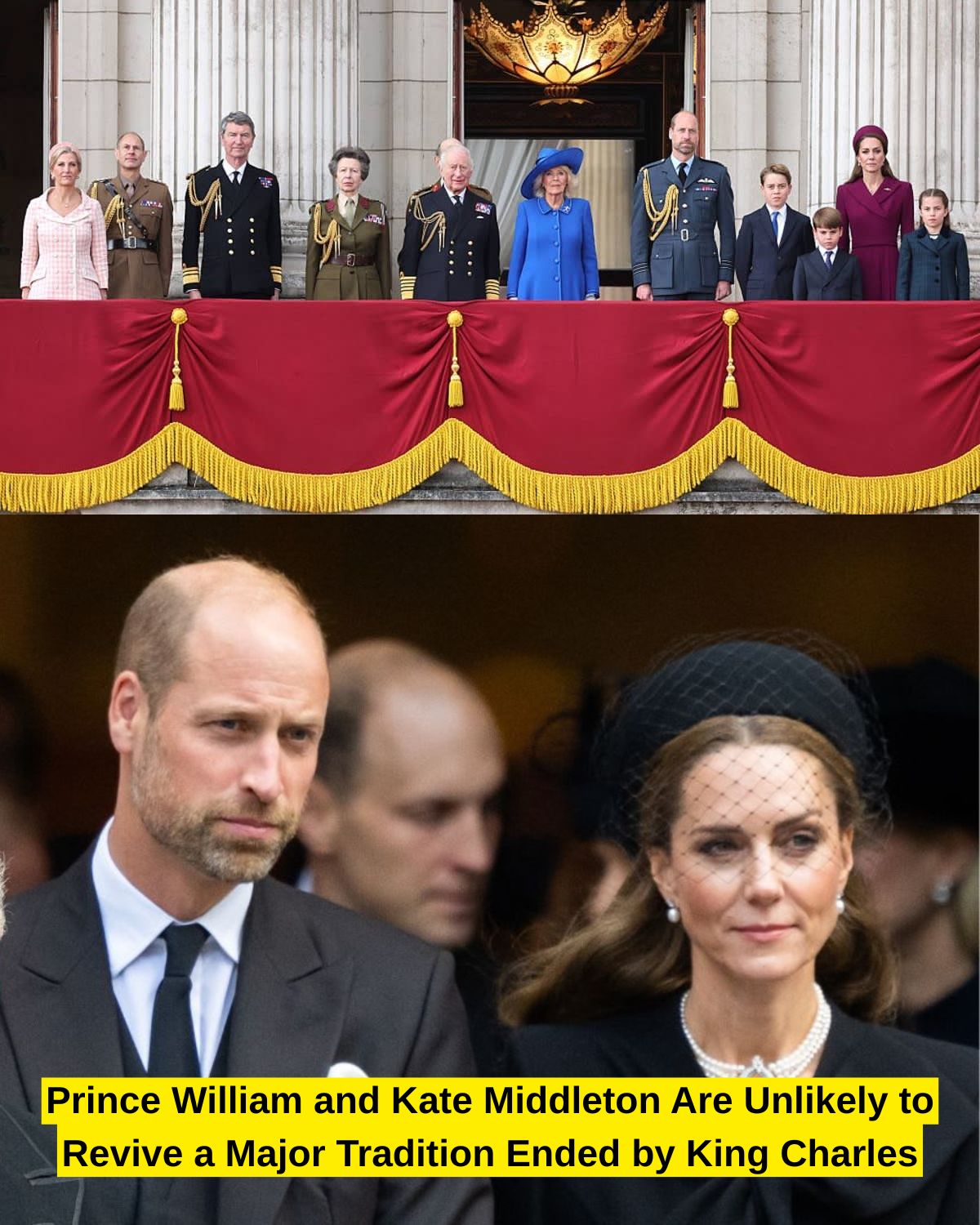
For generations, Buckingham Palace has stood as the beating heart of the British monarchy — the grand symbol of royal tradition, history, and continuity recognized across the world. From iconic balcony appearances to state banquets watched by millions, the palace has long represented the public face of the Crown itself. But behind palace walls, a quiet royal shift may now be unfolding — one that could dramatically redefine the future of the monarchy for decades to come.
At the center of that change are Prince William and Catherine, Princess of Wales.
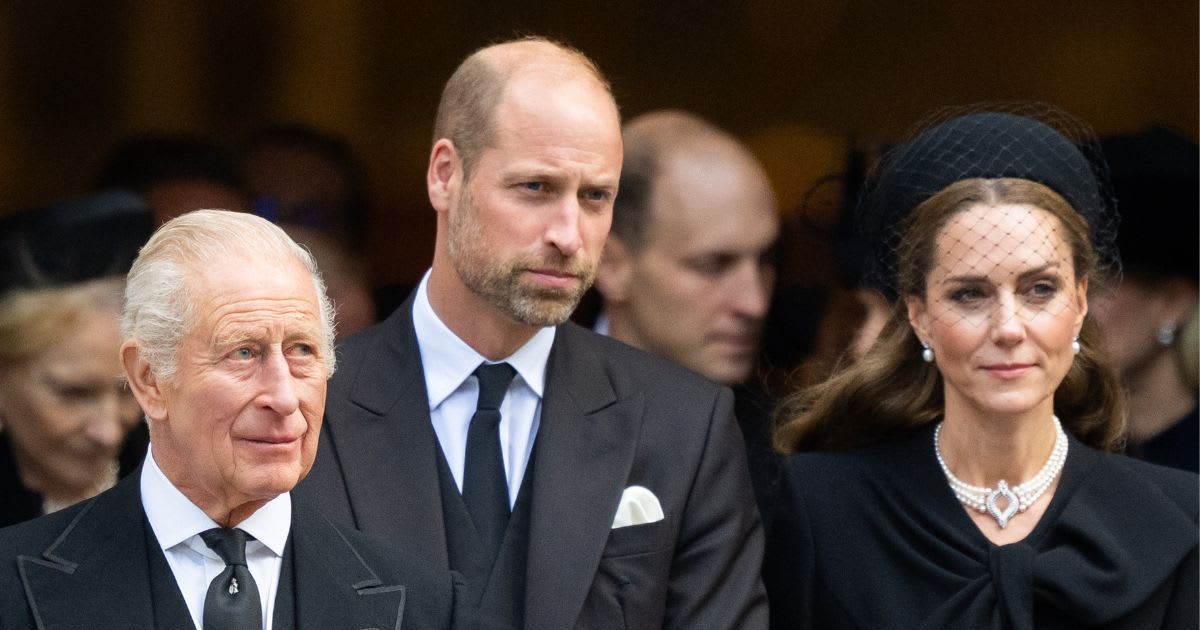
While the future King and Queen continue to modernize the royal family in ways previous generations rarely attempted, royal insiders now believe one deeply symbolic tradition may eventually disappear altogether: living inside Buckingham Palace.
The possibility has sparked growing debate among royal observers because no reigning monarch currently lives there full-time.
After ascending the throne in 2022, King Charles III made the unexpected decision to remain at Clarence House alongside Queen Camilla rather than permanently relocate into Buckingham Palace itself. Although the palace continues operating as the monarchy’s official headquarters, Charles reportedly prefers the quieter, more personal atmosphere of Clarence House over the overwhelming scale and formality of the historic royal residence.
Now many believe Prince William may eventually make the exact same choice.
Years before becoming King, William and Catherine made a major family decision that royal commentators now see as highly significant. In 2022, the couple left London and relocated with Prince George, Princess Charlotte, and Prince Louis to Windsor in search of greater privacy, more green space, and a calmer upbringing for their children away from the intense pressures of central royal life.
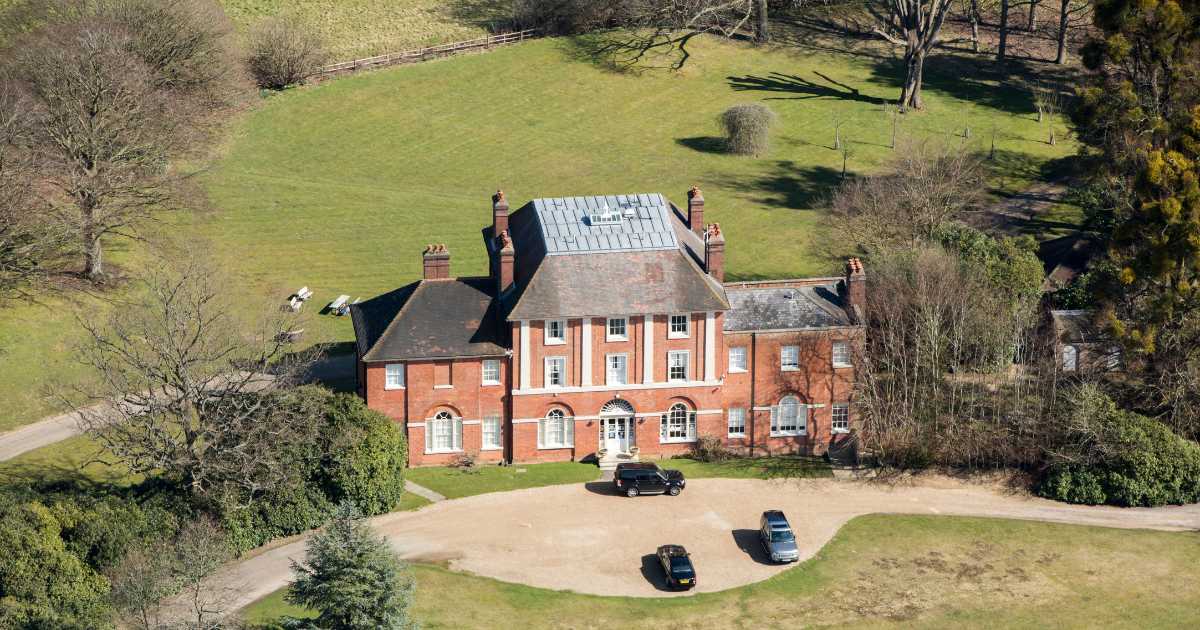
Their current residence, Adelaide Cottage — often described by insiders as intentionally modest by royal standards — was chosen specifically to create as normal a childhood environment as possible for their young family.
Royal experts say that decision reflected far more than a simple change of address.
It represented William and Catherine’s larger vision for the future monarchy itself.
Unlike previous royal generations raised largely by staff within vast palaces, William and Catherine have repeatedly emphasized emotional stability, hands-on parenting, and creating a grounded family life for their children despite global scrutiny surrounding them.
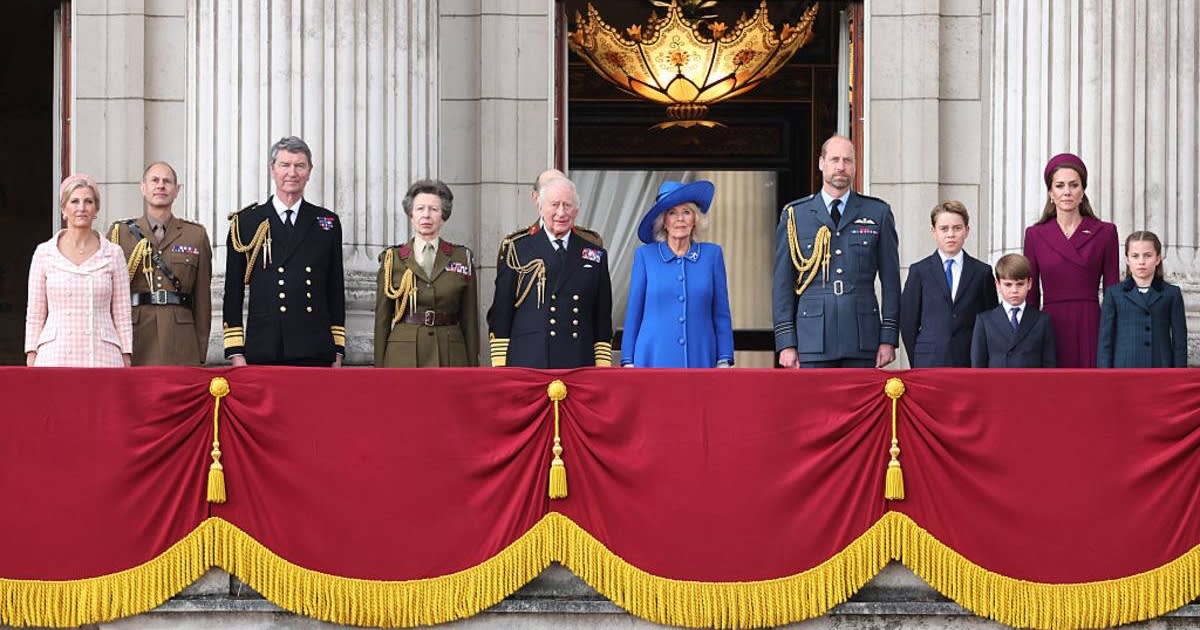
According to royal commentator Emily Nash, the couple made it clear from the beginning that Windsor was intended to offer freedom, space, and normality — values they are unlikely to abandon even after William becomes King.
And that could have enormous implications for Buckingham Palace.
If William ultimately chooses not to live there as monarch, the palace may gradually transform into something very different from its historic role: less a royal home and more a ceremonial and administrative center.
Official receptions, diplomatic events, and state ceremonies would likely continue there exactly as before. Tourists would still gather outside its gates. The famous balcony moments would remain part of royal tradition. But the palace itself could slowly lose the deeply personal role it once held as the true center of royal family life.
For some royal traditionalists, that possibility feels almost unthinkable.
Buckingham Palace is not merely another royal property. It is arguably the single most recognizable symbol of the British monarchy worldwide — a place woven into coronations, jubilees, wartime broadcasts, royal weddings, and generations of national memory.
Critics fear that removing the monarch’s daily presence from the palace risks weakening part of the emotional connection between the Crown and the public.
Interior designer and longtime royal associate Nicky Haslam once bluntly criticized the idea of Buckingham Palace functioning primarily as office space.
“Turning Buckingham Palace into an office is wrong. Period,” he reportedly said.
“William won’t use it either. It stops Buckingham Palace from being the jewel in the crown.”
Yet supporters of William and Catherine argue the opposite.
To them, the future monarchy survives precisely because it is adapting.
Rather than clinging rigidly to traditions shaped for another century, William appears determined to build a royal institution that feels emotionally relatable, efficient, and connected to modern family life. That includes prioritizing privacy, mental wellbeing, and direct parenting in ways rarely seen among previous heirs to the throne.
The shift also reflects changing public expectations.
Many people today no longer view royal grandeur alone as enough to sustain admiration. Increasingly, audiences respond more strongly to authenticity, vulnerability, and relatable family dynamics than to displays of formality and distance.
William and Catherine seem deeply aware of that cultural evolution.
Ironically, all of this is unfolding while Buckingham Palace undergoes one of the largest renovation projects in its history. Hundreds of millions of pounds funded by taxpayers have been allocated to modernizing aging infrastructure, restoring historic interiors, and preserving the palace for future generations.

Yet even as restoration continues, questions about the palace’s future role grow louder.
Will Buckingham Palace remain the living heart of the monarchy?
Or will it become something closer to a ceremonial monument — breathtaking, historic, globally famous, but no longer truly lived in by the royal family itself?
For now, no official decision exists.
But one thing is becoming increasingly clear: under Prince William and Catherine, the monarchy’s future may look profoundly different from its past.
And that future may begin not inside Buckingham Palace — but far away from it.


